Blog of plastic surgeon Slosser Dmitry Volodymyrovych

Nutrition and Sleep Before and After Surgery: What Really Affects the Outcome
The outcome of plastic surgery depends not only on the plastic surgeon’s technique. Tissue healing, the risk of complications, overall well-being and the speed of recovery are also influenced by the patient’s general health, nutrition, sleep, smoking, alcohol consumption and adherence to recommendations during the first weeks after surgery. Some commonly followed recommendations for preparing for surgery are supported by scientific evidence, while others are significantly overstated.
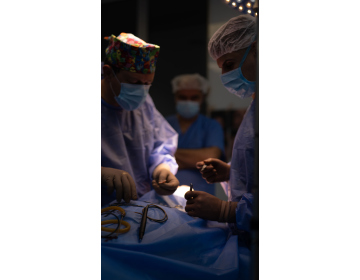
When an Aesthetic Concern Is Actually a Medical Indication: A Plastic Surgeon Explains
Not every plastic surgery procedure that changes a person’s appearance has a purely aesthetic purpose. In some cases, what a patient perceives as an aesthetic concern is accompanied by pain, skin irritation, impaired vision, breathing difficulties, or limitations in physical activity. At that point, the issue is no longer simply about wanting to “look better”: the doctor assesses whether an anatomical feature is causing actual functional problems and whether surgery can address them.
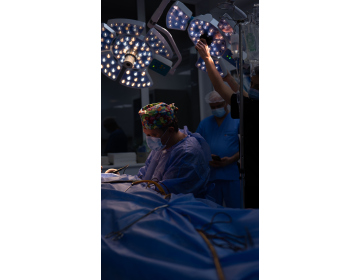
Postoperative Recovery: A Realistic Timeline Instead of Social Media Promises
On social media, recovery after plastic surgery often appears much shorter than it is in real life. Photos taken just a few weeks after surgery can create the impression that the recovery process is already complete, while the tissues are still actively healing. The actual recovery time depends on the type and extent of surgery, the condition of the tissues, and the individual characteristics of the patient.

The Autumn Surgery Season: How to Plan Your Recovery Before Winter
Autumn is often chosen for plastic surgery so that the main recovery period falls during the cooler months. However, the season itself does not determine the outcome. What matters far more is assessing your health properly, choosing the right time for surgery, and allowing enough time in your schedule for recovery.
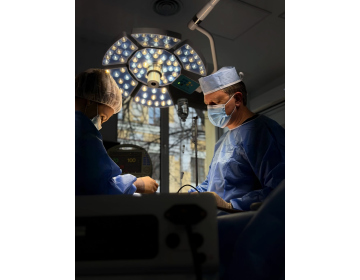
Modern Anaesthesia: Why You Shouldn’t Be Afraid of Anaesthesia
The word “anaesthesia” still causes anxiety for many patients. People worry that they may not wake up, feel pain during surgery, regain consciousness in the middle of the procedure, or have a difficult recovery from anaesthesia. Some of these fears date back to a time when the possibilities of anaesthesiology were much more limited. Modern anaesthesia has become far more precise, while patient safety is now one of the anaesthetist’s primary responsibilities.
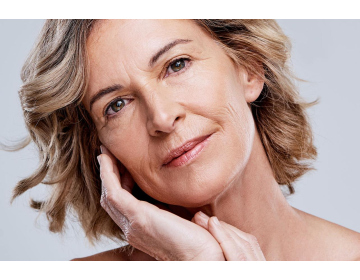
Comprehensive Anti-Aging Facial Surgery: What Is It and Who Is It For?
As we age, it is not only the skin that changes. Soft tissues descend, the distribution of fat changes, ligaments and muscular structures weaken, and the contours of the jawline and neck become less defined. This is why a single procedure is sometimes not enough to achieve the result a patient expects. Comprehensive facial rejuvenation allows several areas to be addressed at the same time, but only when this is genuinely necessary.
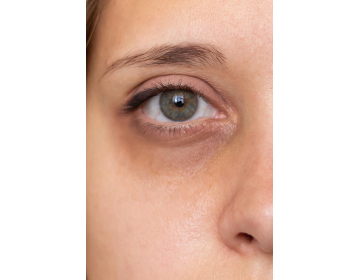
How to Get Rid of a “Tired Look” Before Returning to Your Autumn Work Routine
After summer, we often return to our usual schedule with the feeling that our face has become tired before we have. Puffiness under the eyes, dark circles, hooded upper eyelids, or pronounced under-eye bags can make the eyes look noticeably less refreshed. But it is important to understand that similar-looking concerns can have very different causes, and therefore require different approaches.

What Are Buccal Fat Pads and Why Are They Removed?
Buccal fat removal has remained one of the most widely discussed procedures in aesthetic plastic surgery for several years. Its growing popularity is largely driven by the desire for more defined facial contours and well-defined cheekbones.However, the decision to undergo surgery should never be based on trends alone. Instead, it should rely on the patient’s individual anatomy, clear medical indications, and realistic expectations.
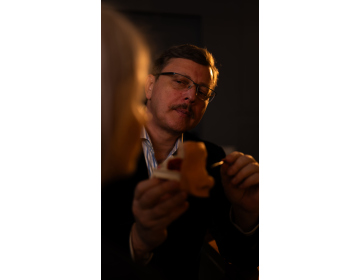
Quiet Plastic Surgery: The Leading Rejuvenation Trend of 2026
A successful procedure should never draw attention to itself. Instead, it should help patients look more attractive, refreshed, and confident while preserving what makes them unique. The true skill of a plastic surgeon lies not in changing a person’s face, but in restoring its natural harmony with the utmost precision and respect for individual identity.

Weekend Facelift: Benefits and the Real Recovery Timeline
Modern plastic surgery is no longer focused solely on achieving outstanding aesthetic results. Today, equal importance is placed on patient comfort, a smoother recovery, and the ability to return to everyday life as quickly as possible. It was this very demand that inspired the development of my signature facelift technique, called the “Weekend Facelift”.

Composite Breast Augmentation: What Hybrid Breast Augmentation Is and Why It Is Becoming the New Standard in Plastic Surgery
Composite breast augmentation is one of the most advanced techniques in aesthetic plastic surgery, combining breast implants with autologous fat grafting to achieve a more natural-looking result. This approach is also referred to as hybrid breast augmentation or composite breast augmentation. Rather than simply increasing breast size, the procedure focuses on creating natural contours, soft tissue coverage, and harmonious proportions.
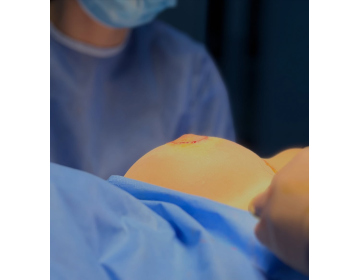
Breast Implant Removal: What Happens to Your Body After Surgery?
Why do women choose to remove their breast implants, and what changes can be expected after explant surgery? In this article, a plastic surgeon Dmytro Slosser explains the recovery process, potential changes in breast shape, the role of breast lifts, and modern surgical options for achieving a natural-looking result.
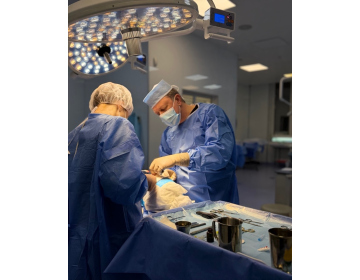
Revision Plastic Surgery: What to Do If You Are Unhappy with the Results of a Previous Procedure
Revision plastic surgery is not necessarily associated with shortcomings of the initial procedure. The final outcome may be influenced by individual healing characteristics, natural age-related changes, and a patient’s personal aesthetic expectations. This article explores the most common reasons for revision procedures, the surgeries most frequently associated with additional corrections, and the possibilities modern plastic surgery offers to refine and improve surgical outcomes.

Plastic Surgery and AI: Can You See the Results Before Surgery?
Modern AI-powered tools can alter the shape of the nose, chin, or facial contours within seconds, creating the impression that the outcome of a future plastic surgery procedure is already known. However, artificial intelligence cannot predict with absolute accuracy how tissues will heal, how scars will form, or how facial contours will change after surgery. For this reason, AI-based simulations should be viewed as a supportive tool for discussing patient expectations rather than as a guarantee of the final result.

What to Do with Your Body After Losing 20–40 kg
Losing a substantial amount of weight is a remarkable achievement that requires discipline, commitment, and perseverance. However, the number on the scale does not always mark the end of the transformation. In many cases, plastic surgery becomes the final step in the journey, helping to remove excess skin, restore body proportions, and enhance the results of the hard work already accomplished. The role of a plastic surgeon is not to create a new person, but to help the body reflect the changes that the patient has achieved through their own efforts.

Endoscopic Lift vs. Weekend Lift: What Patients Choose After 35
After the age of 35, most patients begin to notice the first visible signs of aging: drooping eyebrows, deeper nasolabial folds, loss of a well-defined facial contour, the appearance of jowls, and a tired look even after adequate rest. It is at this stage that many people start considering surgical facial rejuvenation, but often face a difficult choice: an endoscopic lift or the so-called Weekend Lift.
Simultaneous Plastic Surgeries: How to Go Through One Recovery Instead of Two
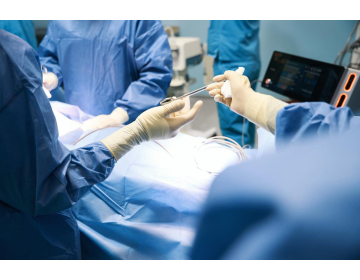
In modern aesthetic surgery, more and more patients are choosing simultaneous or combined procedures, meaning several plastic surgeries performed under a single anesthesia. This approach is not only about patient comfort or saving time for the medical team. Above all, it is about the opportunity to undergo one recovery period instead of two, minimize psychological stress, and return to an active lifestyle more quickly.

Beauty Tourism Is Booming: 5 Countries That Have Become Global Centers of Aesthetic Medicine
Beauty tourism is rapidly gaining popularity around the world. More and more people are traveling not only for vacations or new experiences, but also for cosmetic treatments, rejuvenation procedures, and plastic surgery. Today, patients are willing to travel across countries in search of advanced technologies, high-quality medical care, and more affordable treatment options.

What Happens to the Body After Childbirth and How Plastic Surgery Can Help: A Plastic Surgeon’s Perspective
Motherhood does not eliminate the desire to feel attractive, wear favorite clothes, or feel comfortable in front of the mirror. Plastic surgery does not erase the experience of motherhood or make the body look unnatural. Its role is to help women restore harmonious body proportions and regain physical comfort and confidence.
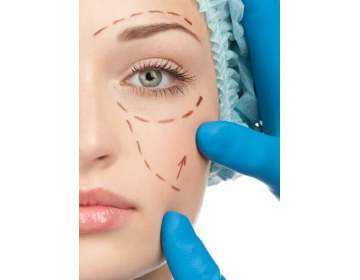
Modern Blepharoplasty: Everything About Eye Rejuvenation, Procedure Stages, and Recovery
The eye area is one of the first to reflect fatigue, stress, and aging. Even with good skin quality, drooping upper eyelids or under-eye bags can create a tired, heavy look. In such cases, blepharoplasty is indicated. It helps restore a fresh, open appearance and can visually take years off the face.
Contact me
Plastic surgeon
Ukraine, Kyiv, Shchekavytska St., 9a
(Clinic "Nove Tilo")