What to Do with Your Body After Losing 20–40 kg
 All articles
Many of my patients come for a consultation not when they begin their weight-loss journey, but when they have already reached their desired number on the scale. At first glance, the goal has been achieved: the excess weight is gone, overall well-being has improved, and movement feels easier. Yet alongside the satisfaction of weight loss, another question often arises: why doesn’t the body look the way they expected after losing dozens of kilograms?
This is particularly common among individuals who have lost 20–40 kg or more. In recent years, the number of such patients has increased significantly due to the growing use of GLP-1 medications, including Ozempic, Wegovy, and Mounjaro. These medications can help patients achieve substantial weight loss without bariatric surgery; however, they cannot prevent excess skin or volume loss in certain areas of the body.
Why Body Contours Change After Significant Weight Loss
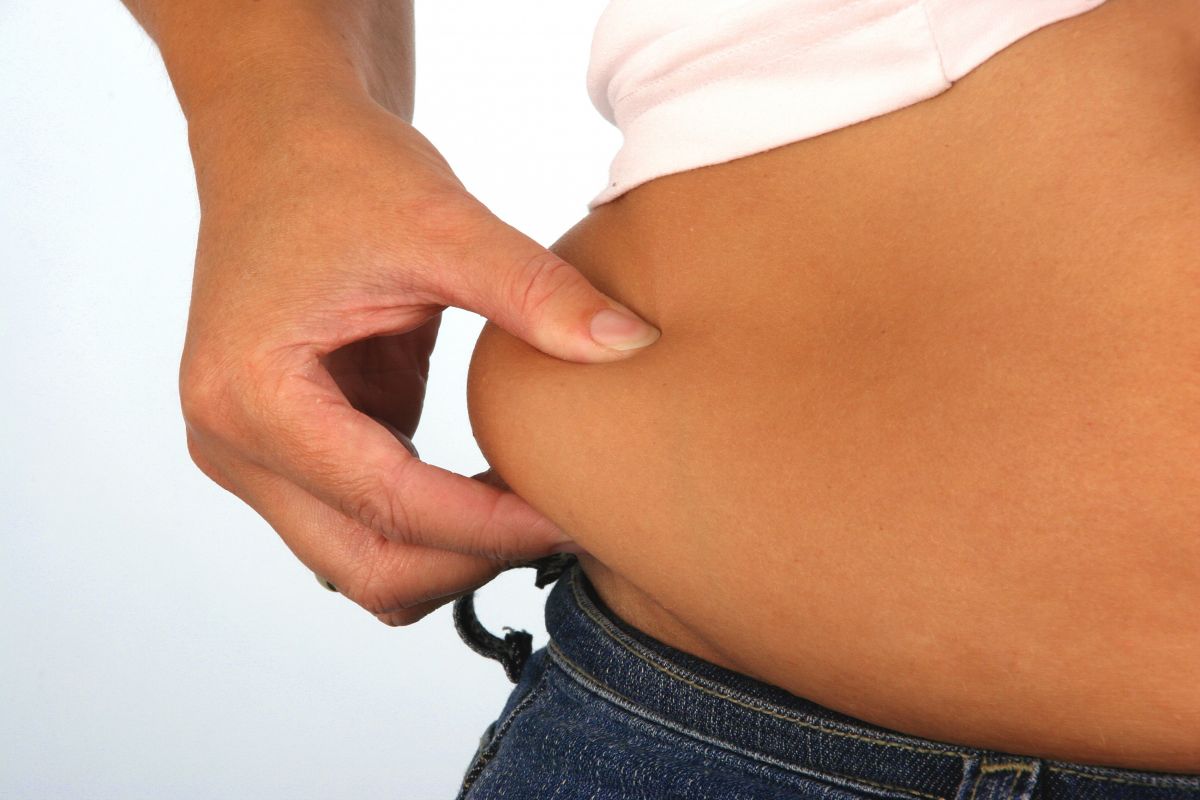
When a person carries excess weight for many years, the skin gradually stretches. After losing a large amount of weight, it does not always return to its previous condition. The degree of skin retraction depends on several factors, including the patient’s age, genetic predisposition, skin quality, the duration of excess weight, and the rate of weight loss.
The most common concerns include:
- excess skin on the abdomen;
- loss of firmness in the upper arms;
- sagging tissue on the thighs;
- changes in breast shape;
- excess skin on the back and flanks;
- volume loss in the face and neck.
In some cases, this is not merely an aesthetic concern. Excess skin can cause irritation, skin chafing, discomfort during physical activity, and even difficulties with daily hygiene.
Can Exercise and Cosmetic Treatments Help?
This is one of the most common questions among patients after significant weight loss.
Physical activity is extremely important for maintaining results and building muscle tone. However, no exercise program can remove a substantial amount of excess skin. The same applies to most non-surgical and device-based treatments: while they may improve skin tone to some extent, they cannot eliminate large skin folds.
For this reason, many patients seek consultation with a plastic surgeon after major weight loss.
The Most Common Procedures After Significant Weight Loss
Every treatment plan is developed individually. In many cases, correction requires several stages, as losing 20–40 kg often affects multiple areas of the body simultaneously.
Abdominoplasty
Abdominoplasty, commonly known as a tummy tuck, is one of the most frequently performed procedures after significant weight loss. During surgery, excess abdominal skin is removed, and when necessary, the muscles of the abdominal wall are repaired.
This procedure is particularly effective for correcting the so-called “abdominal apron” — excess tissue that may remain even after reaching a healthy weight and maintaining a regular exercise routine.
If the excess skin is relatively limited and located primarily below the navel, a plastic surgeon may recommend a mini abdominoplasty. This procedure is less invasive, requires a shorter incision, and is typically associated with a faster recovery period. In some cases, abdominoplasty may be combined with liposuction to achieve more harmonious body contours.
Brachioplasty
Brachioplasty is designed to improve the appearance of the upper arms, particularly the triceps area. The upper arms often remain one of the most problematic areas after major weight loss, even when patients have successfully achieved their target weight.
During the procedure, excess skin and, when necessary, residual fat deposits are removed. This helps create firmer, more proportionate arm contours. The extent of surgery depends on the degree of tissue laxity: some patients require only a minor correction near the armpit, while others may benefit from a more extensive arm lift.
Thigh Lift
After significant fat loss, the skin on the inner thighs may sag, causing friction, skin irritation, and discomfort while walking or exercising. In such cases, a surgical thigh lift can be an effective solution.
The procedure removes excess skin and reshapes the surrounding tissues, improving both the appearance of the legs and everyday comfort. When appropriate, a thigh lift may be combined with liposuction to enhance the final aesthetic result.
Breast Lift and Breast Reshaping
Many women experience a loss of breast volume, upper-pole fullness, and tissue sagging after substantial weight loss. These changes occur primarily because breast volume is largely influenced by fatty tissue.
In some cases, patients are concerned not only about volume loss but also about nipple-areola complex descent, which may require surgical correction.
Depending on the individual situation, treatment options may include mastopexy (breast lift), breast augmentation with implants, or a combined procedure that restores lost volume while lifting the breast tissue.
Lower Body Lift
When multiple areas are affected, a comprehensive lower body lift may be recommended. This procedure addresses the abdomen, flanks, lower back, buttocks, and upper thighs within a single surgical plan.
A body lift is typically recommended for patients who have lost 30–50 kg or more and have excess skin around the entire circumference of the torso. Although it is a more extensive procedure than localized corrections, it often provides the most dramatic and harmonious body contour transformation after major weight loss.
Patients After Ozempic and Other GLP-1 Medications
Today, plastic surgeons increasingly recognize a distinct category of patients: individuals who have lost weight with the help of semaglutide- or tirzepatide-based medications. Due to the rapid reduction in body fat, these patients may experience not only excess skin but also volume loss in the face, breasts, and buttocks.
The terms “Ozempic Face” and “Ozempic Body” have even emerged in international medical and aesthetic discussions to describe the characteristic appearance changes associated with rapid fat loss.
As a result, many of these patients require not only excess skin removal but also volume restoration through fat grafting or other contour-enhancing procedures.
When Is the Right Time to Consider Surgery?
The most important rule is not to rush into surgery. Plastic surgery should only be considered once body weight has stabilized. Ideally, patients should maintain their weight-loss results for several months and have no plans for further significant weight reduction.
Losing a substantial amount of weight is a remarkable achievement that requires discipline, commitment, and perseverance. However, the number on the scale does not always mark the end of the transformation. In many cases, plastic surgery becomes the final step in the journey, helping to remove excess skin, restore body proportions, and enhance the results of the hard work already accomplished. The role of a plastic surgeon is not to create a new person, but to help the body reflect the changes that the patient has achieved through their own efforts.

Honored Doctor of Ukraine, Head of the Plastic Surgery Center
Contact me
Plastic surgeon
Ukraine, Kyiv, Shchekavytska St., 9a
(Clinic "Nove Tilo")