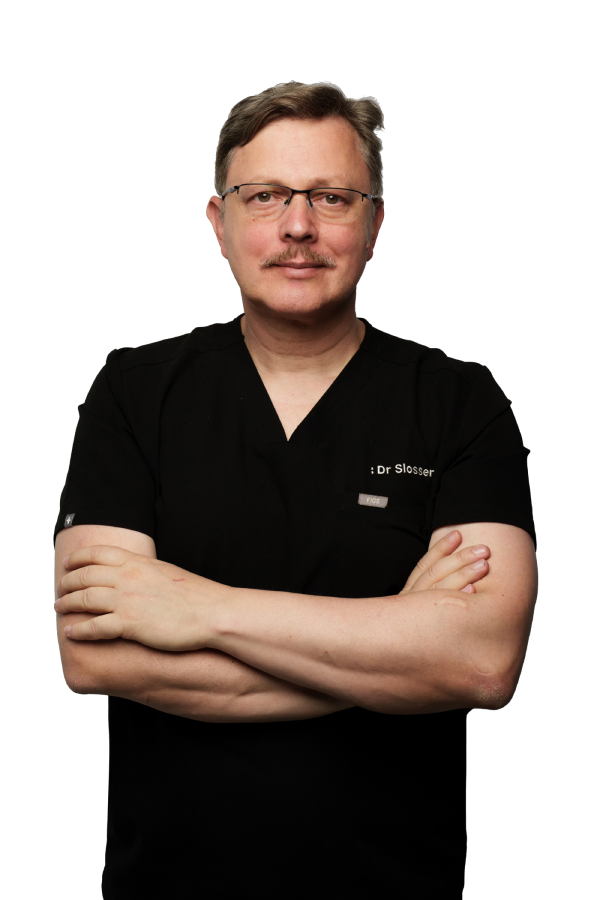
Dmytro Slosser
Plastic surgeon, Honored Doctor of Ukraine,
leading specialist in aesthetic and reconstructive plastic surgery
Operations
Blepharoplasty
- European protocol of the operation
- Transconjunctival blepharoplasty
- Eyelid lift in the complex rejuvenation
- Unique technique of invisible sutures
- Harmless, modern anesthesia
- Guaranteed result
MoreLipofilling
- European protocol for facial lipofilling surgery
- Volumizing facial lipofilling with your own fat
- A real alternative to a facelift
- A unique technique of invisible sutures
- Harmless, modern anesthesia
- Guaranteed aesthetic result
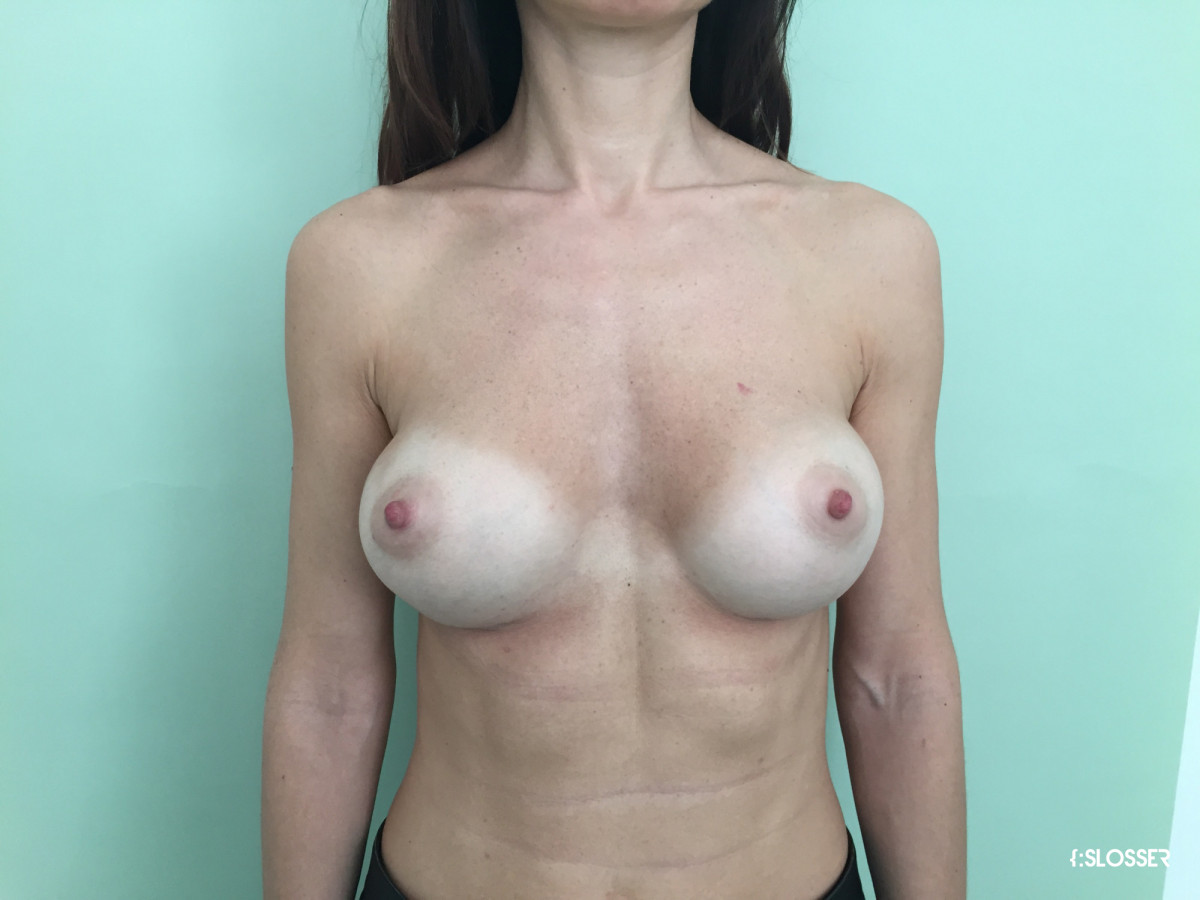
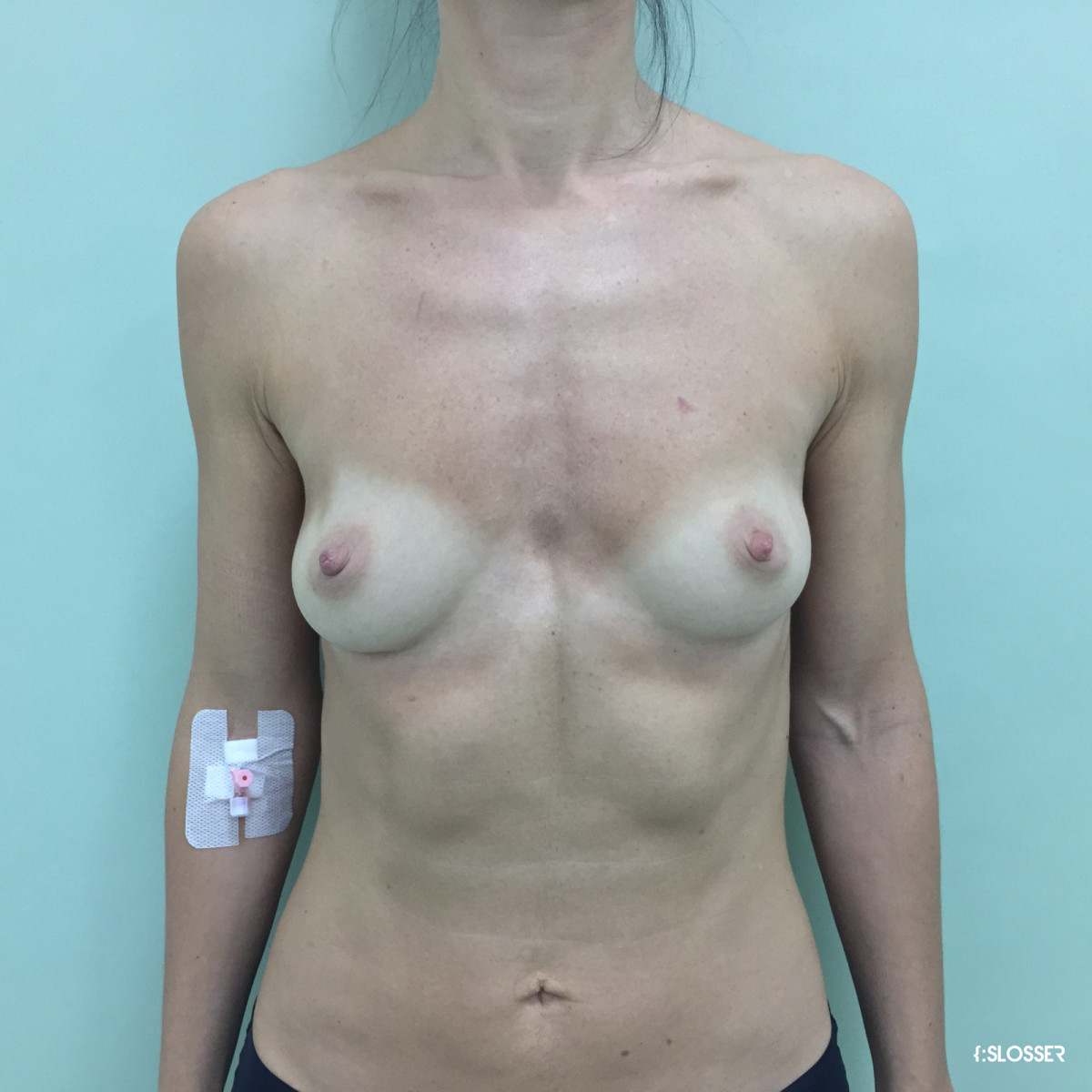
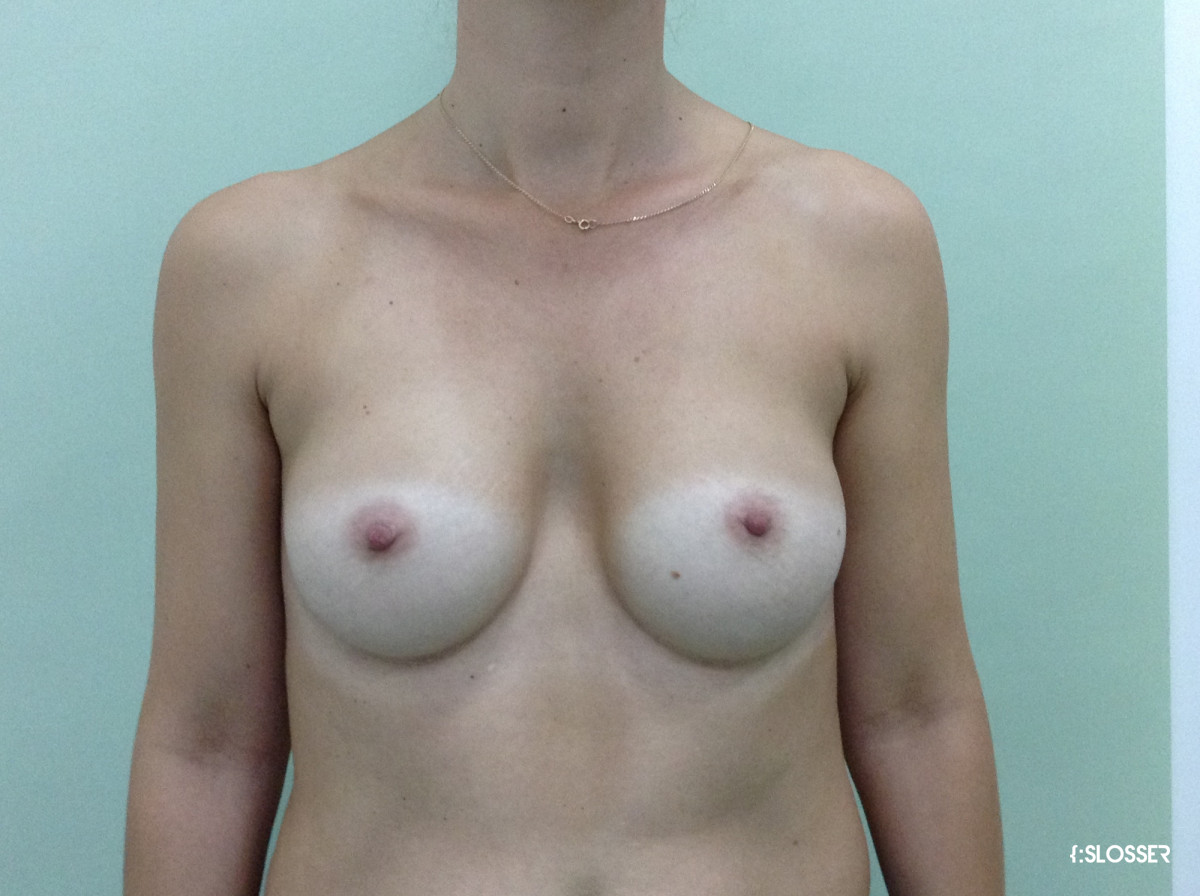
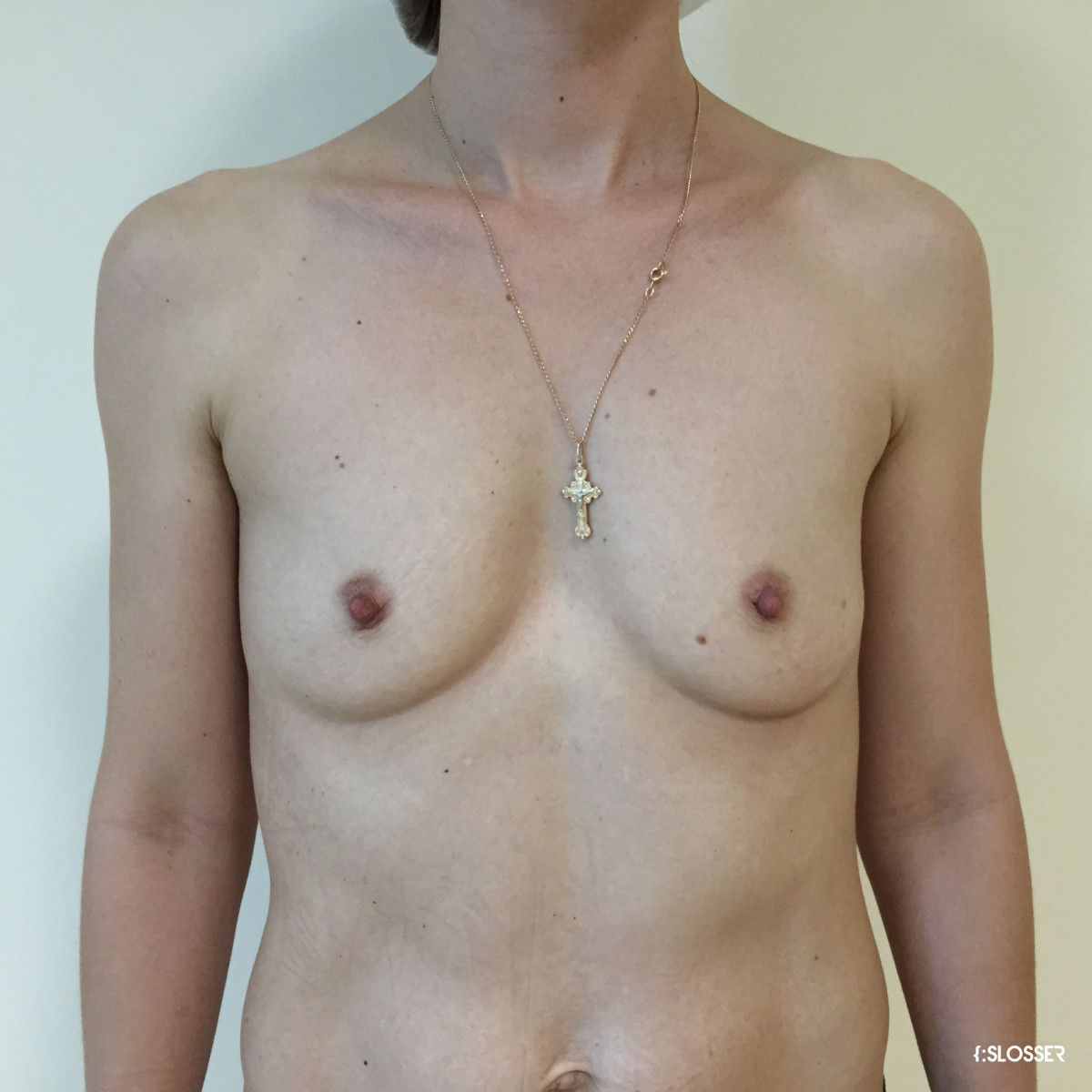
MoreBreast augmentation
- European protocol of the operation, as a result of which it takes only
only 45 minutes
- Unique technique of invisible sutures using glue
- Harmless, modern anesthesia with sevoran
- Guaranteed result
- The best implants and consumables
- Contract and fixed prices
MoreEffective online consultations
Enter your contact details and we will call you back, or call or write to us by phone.:
- switch__toggle
- +38 (044) 222-6-111
- +38 (066) 122-6-111
- +38 (068) 222-6-111
About Dr. Slosser
- Honored Doctor of Ukraine
- Leading plastic surgeon of Ukraine
- Co-founder of the Council of Experts of Aesthetic Medicine of Ukraine
- Has 6 years of practice at Hadassah University Hospital (Israel)
- Received the award in the nomination “Specialist of the Year” from the National Business Rating of Ukraine
- Leading expert in the television projects “Give me back my beauty” on 1+1, “I'm ashamed of my body” on STB, “Ukraine Speaks” on TRK Ukraine, etc.
The most important thing
In short, pain is manageable. Severe pain after surgery today is the exception rather than the norm. Modern anesthesia, pain management, and recovery protocols make the first days much easier than most patients expect. Most often, discomfort is felt as pressure or tightness. However, it is important to understand that complete absence of sensation is an unrealistic expectation. My position is clear: if a person is afraid of any discomfort, it is better to postpone surgery. The decision must be conscious and well considered.
No. Rehabilitation is part of the surgery, not a separate stage afterward. It is during the recovery period that the final result is formed, tissues stabilize, and the risk of complications decreases. Without proper rehabilitation, even a technically perfect operation may produce a weak outcome. There are procedures with an easier recovery (for example, “weekend lifts”), but surgery without rehabilitation does not exist.
The final result does not appear immediately. It develops gradually over time. Swelling, tissue firmness, and sensations change step by step. During the first weeks, the result is definitely not final, and this is completely normal. The timeline depends on the treated area, the extent of surgery, and individual characteristics of the body. Plastic surgery does not tolerate haste. A good result takes time.
It depends primarily on the type of work you do, not only on the surgery itself. After some procedures, it is possible to return to work within a few days (for example, after “weekend lifts”), while others require weeks of recovery. It is important to consider not only how you feel, but also the safety of the healing process. Returning to activity earlier than recommended increases the risk of complications. It is better to return later than to deal with the consequences of rushing.
Yes, scars always remain. This is part of the natural healing process. However, their appearance changes over time: they become lighter, softer, and less noticeable. Their location and proper care play a crucial role. Careful planning and patience are essential.
When the risks outweigh the benefits, or when the decision is driven by emotions. I refuse if I see that the body is not ready, expectations are unrealistic, or the person does not understand the recovery process. Refusal is also part of treatment. Safety is more important than any desire.
Yes, and it has a significant impact on the outcome. Honest answers, a list of questions, and a willingness to listen save time and help you make the right decision. A consultation is a diagnosis, not a sales pitch. A good consultation is half the success.

Participation in projects

"Give me back my beauty"
Popular makeover show.
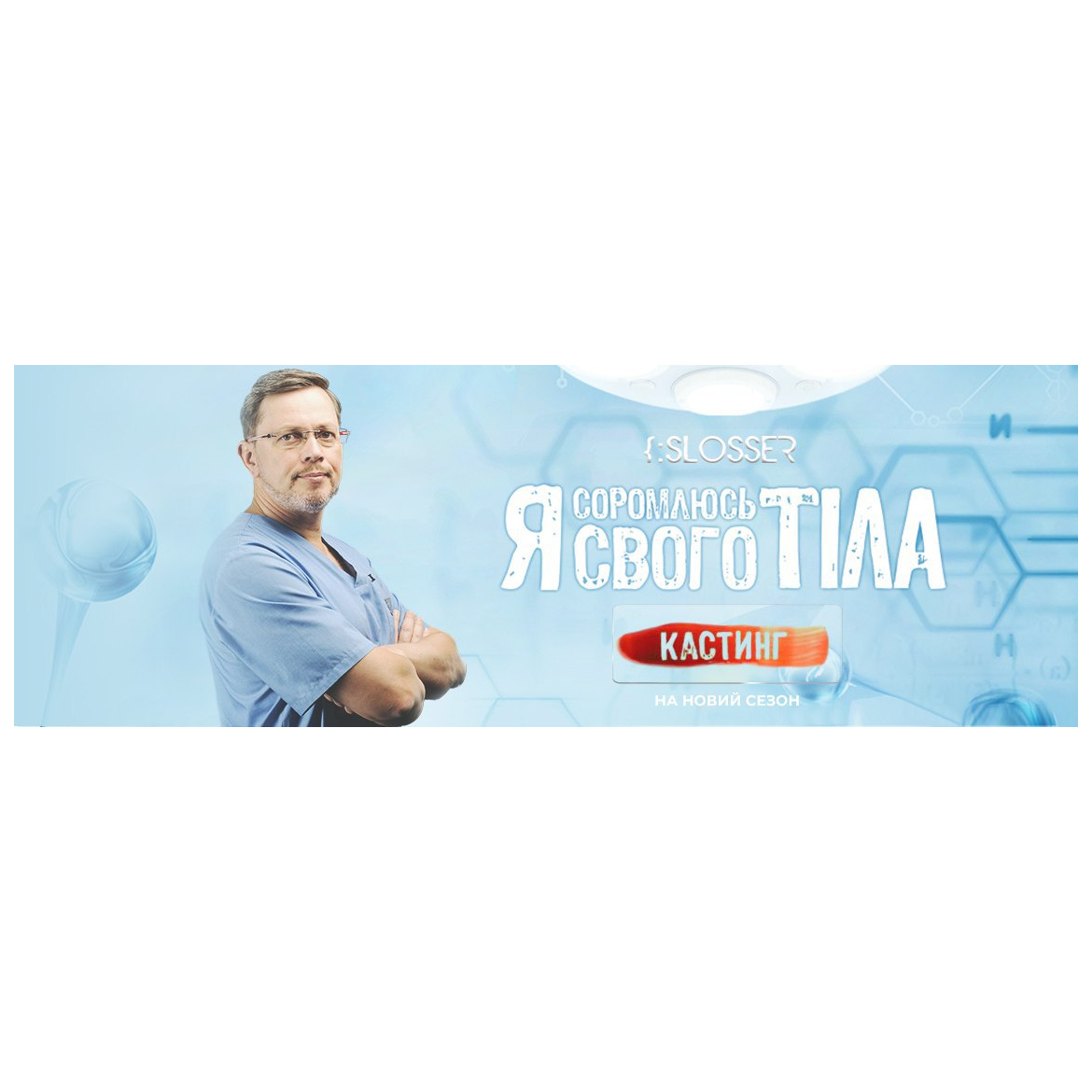
"I am ashamed of my body"
Television medical project.

"My new life"
The main beauty show in the country.
Last news
Nutrition and Sleep Before and After Surgery: What Really Affects the Outcome
The outcome of plastic surgery depends not only on the plastic surgeon’s technique. Tissue healing, the risk of complications, overall well-being and the speed of recovery are also influenced by the patient’s general health, nutrition, sleep, smoking, alcohol consumption and adherence to recommendations during the first weeks after surgery. Some commonly followed recommendations for preparing for surgery are supported by scientific evidence, while others are significantly overstated.
When an Aesthetic Concern Is Actually a Medical Indication: A Plastic Surgeon Explains
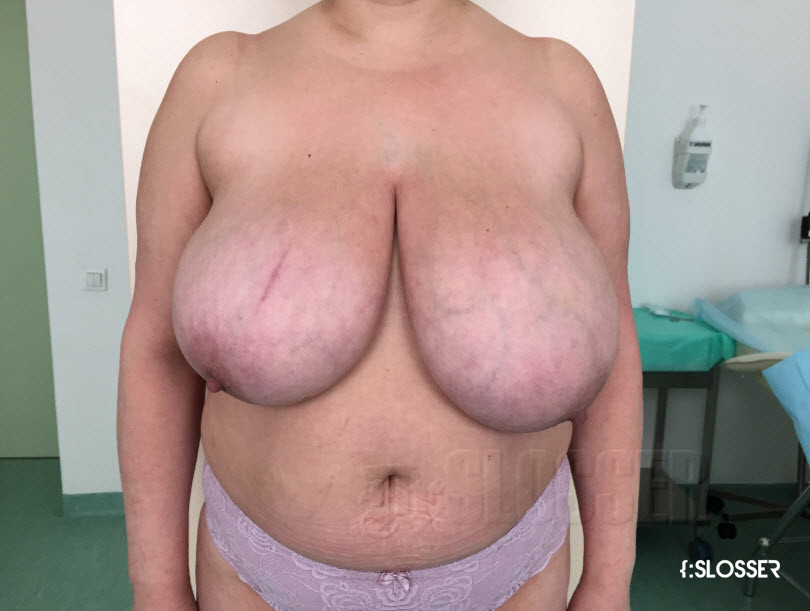
Not every plastic surgery procedure that changes a person’s appearance has a purely aesthetic purpose. In some cases, what a patient perceives as an aesthetic concern is accompanied by pain, skin irritation, impaired vision, breathing difficulties, or limitations in physical activity. At that point, the issue is no longer simply about wanting to “look better”: the doctor assesses whether an anatomical feature is causing actual functional problems and whether surgery can address them.
Gallery



Video






Follow the news and latest results on social media
Contact me
Plastic surgeon
Ukraine, Kyiv, Shchekavytska St., 9a
(Clinic "Nove Tilo")