When an Aesthetic Concern Is Actually a Medical Indication: A Plastic Surgeon Explains
 All articles
Not every plastic surgery procedure that changes a person’s appearance has a purely aesthetic purpose. In some cases, what a patient perceives as an aesthetic concern is accompanied by pain, skin irritation, impaired vision, breathing difficulties, or limitations in physical activity. At that point, the issue is no longer simply about wanting to “look better”: the doctor assesses whether an anatomical feature is causing actual functional problems and whether surgery can address them.
What Is a Medical Indication for Plastic Surgery?
In plastic surgery, it is important to distinguish between an aesthetic goal and a medical indication.
Aesthetic surgery is performed primarily to change a person’s appearance: the shape of the nose, the contour of the abdomen, the position of the breasts, signs of ageing, and so on. At the same time, a person may be completely healthy, and their desire to change a particular feature does not mean that this feature is a medical condition.
A medical indication arises when an anatomical feature causes or contributes to a health problem or impaired bodily function. This may include chronic pain, impaired vision, difficulty breathing through the nose, persistent skin irritation and inflammation, difficulty walking, or limitations in physical activity.
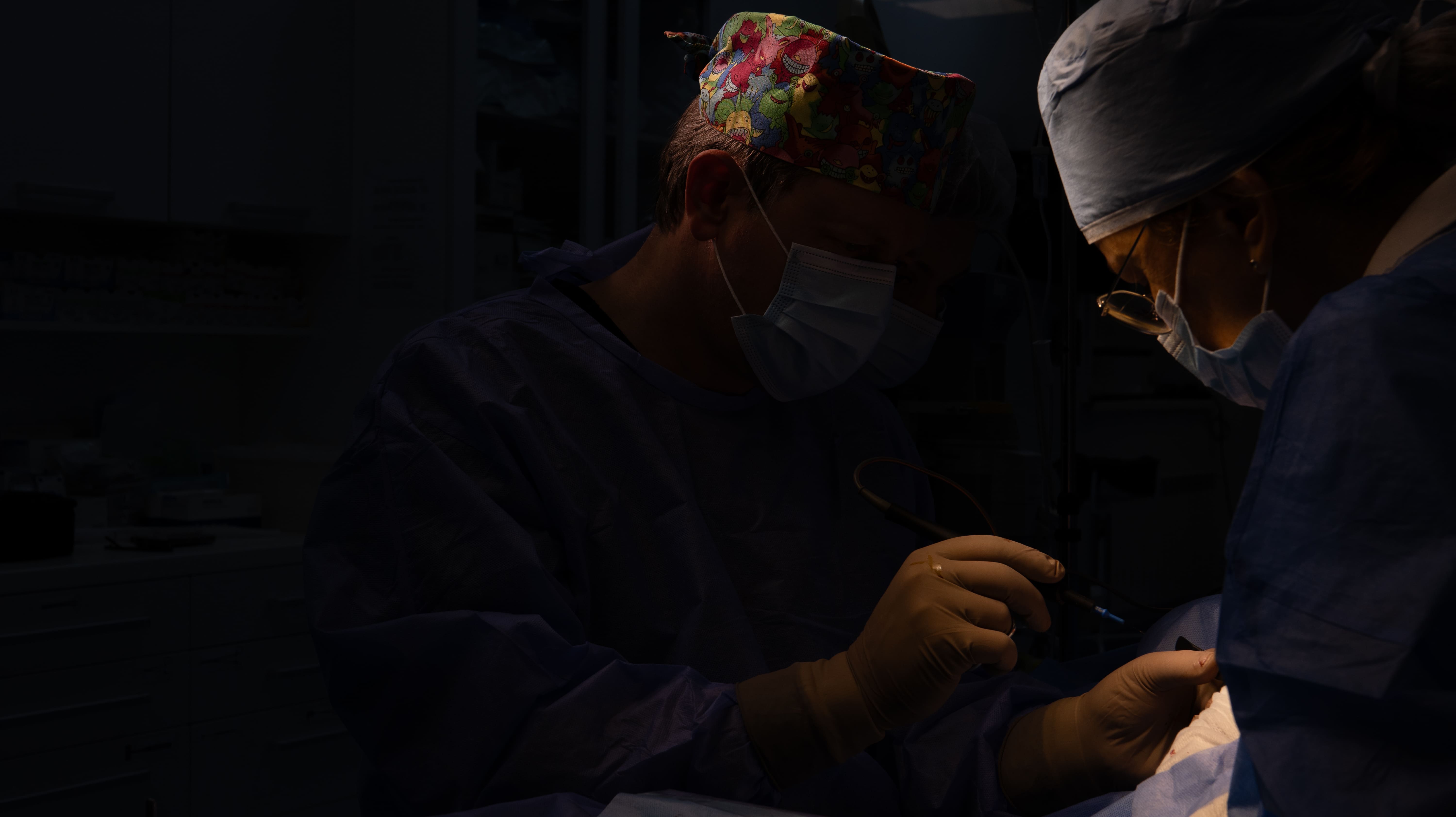
Plastic surgeons also consider functional indications for surgery on the eyelids, breasts, and other areas of the body. For example, one indication for upper blepharoplasty may be impairment of the upper visual field caused by excess eyelid tissue.
At the same time, the presence of a particular anatomical feature does not by itself mean that surgery is necessary. For example, a deviated nasal septum is common and does not always cause symptoms. Surgery becomes indicated when the deviation genuinely interferes with nasal breathing or causes other problems that cannot be adequately controlled with conservative treatment.
During a consultation, I first ask patients to answer a simple question: what exactly does this feature prevent you from doing, or what symptoms does it cause? If the answer goes beyond appearance, it is worth looking more closely at the underlying cause.
- pain or persistent physical discomfort;
- impaired function, such as vision or nasal breathing;
- chronic skin irritation, inflammation, or infections;
- limitations in mobility, sports, or normal daily activities.
Where Is the Line Between Aesthetic and Medical Surgery?
The distinction is not always obvious. The same operation can have different purposes for different people.
For example, blepharoplasty may be performed to make the eyes look younger and remove excess skin. In this case, its purpose is aesthetic. However, if excess skin on the upper eyelid obstructs part of the visual field, the surgery may have a functional indication.
A similar situation can occur with nasal surgery. Changing the shape of the nose is, in itself, an aesthetic goal. If a deformity or structural deviation of the nose causes persistent difficulty breathing, however, the operation may also have a functional component. Rhinoplasty is sometimes combined with septoplasty, which is performed to correct a deviated septum.
The same applies to the breasts. Breast reduction may be more than a way to change breast size. If breast weight is associated with pain in the neck, shoulders, or back, bra strap marks, irritation of the skin beneath the breasts, or limitations in physical activity, breast reduction may be considered as a treatment for these symptoms.
Comparison of Aesthetic and Medical Indications
|
Procedure |
Aesthetic Goal |
Medical Indication |
|
Breast surgery |
Changing the shape or position of the breasts |
Back, neck, or shoulder pain, skin irritation, limitations in activity |
|
Blepharoplasty |
A younger appearance, removal of “bags” |
Impaired visual field caused by excess tissue |
|
Rhinoplasty and septoplasty |
Changing the shape of the nose |
Difficulty breathing through the nose due to an anatomical problem |
|
Abdominoplasty |
Improving body contour |
Excess skin causing inflammation in skin folds, pain, or limited mobility |
Breast Reduction: When Breast Size Becomes a Health Problem
This is one of the clearest examples of a situation in which an aesthetic concern may have a medical dimension.
A patient may say, “I don’t like that my breasts are too large.” But during the consultation, it may become clear that she has been living for years with neck and shoulder pain, marks from bra straps, irritation of the skin beneath the breasts, or an inability to run or exercise comfortably.
In such cases, I do not assess breast size alone. It is important to establish a connection between breast weight and specific symptoms. Another point is equally important: a medical indication is not determined solely by bra cup size. Symptoms, their duration, their impact on a person’s life, and the findings of the examination all matter.
Eyelids: When a “Tired Look” Affects Vision
Excess skin on the upper eyelids is often perceived as purely an age-related or aesthetic concern. However, in some people, the tissues of the upper eyelid descend far enough to partially obstruct the visual field.
In such a situation, it is not enough to say, “The eyelid is drooping.” It is necessary to determine what exactly is causing it. The cause may be excess skin, brow ptosis, or true ptosis associated with the function of the muscle that raises the eyelid. Different causes require different treatment approaches.
If a functional impairment is suspected, the doctor may order visual field testing. An objective assessment helps distinguish a desire to change one’s appearance from a situation in which the eyelid is already affecting vision.
The Nose: Aesthetic Shape and Breathing Function
The nose is a particularly good example of how closely aesthetics and function can be connected in plastic surgery.
A person may want to change the nasal hump, the width of the nose, or the shape of the tip. These are aesthetic goals.
A different situation arises when a patient constantly experiences nasal congestion or cannot breathe normally because of anatomical narrowing of the nasal passages or a deviated septum. In this case, the doctor must first determine the cause of the breathing problem. A deviated septum does not always require surgery, as it causes no symptoms in many people.
If the problem is specifically related to the septum, septoplasty may be performed. If the external shape also needs to be changed or the external structures need to be corrected, the operation may be combined with rhinoplasty.
Excess Skin After Significant Weight Loss
After significant weight loss, excess skin may remain on the abdomen and form a fold that hangs downward. For the patient, this can certainly be an aesthetic concern. But sometimes the consequences are much broader.
Moisture and heat can accumulate within skin folds, creating conditions that contribute to irritation and inflammation. Medical criteria for abdominal panniculectomy include chronic inflammation, ulcers, pain, difficulty walking, and other functional limitations.
It is important, however, not to confuse panniculectomy with a traditional abdominoplasty. Panniculectomy involves removing the hanging excess skin and fatty tissue. Tightening the abdominal muscles is not its typical purpose.
If a person simply wants a flatter abdomen and has no functional problems, that is a different situation. Excess skin alone does not make surgery medically necessary.
Reconstructive Plastic Surgery
There is another large group of operations in which the medical purpose is clear from the outset. This includes tissue reconstruction after injuries, cancer, burns, congenital conditions, or other conditions that have resulted in tissue loss or significant deformity.
For example, breast reconstruction after mastectomy aims to restore lost tissue and body contour. Plastic surgery is also used for reconstruction following injuries and congenital defects.
Here, appearance also matters, but it is not separate from the medical problem. Restoring the body’s shape can be part of treating the consequences of a disease or injury.
Does a Medical Indication Mean That Surgery Is Necessary?
A medical indication means that there is a well-founded problem for which surgery may be an appropriate treatment option. Before recommending surgery, however, the doctor assesses the patient’s health, possible alternatives, risks, and expected outcome.
For example, medication may initially be used to treat problems with nasal breathing. If the symptoms are related to a deviated septum and cannot be adequately controlled with conservative treatment, surgery may then be considered.
The same applies to excess abdominal skin. If skin folds cause dermatological problems, the doctor first assesses the treatment that has already been provided and its results.
How Does a Doctor Determine Whether There Is an Indication for Surgery?
A consultation does not begin with choosing a surgical technique. First, it is necessary to understand what exactly is troubling the patient.
I find out when the problem began, how much it affects daily life, whether there is pain or other symptoms, which treatments have already been tried, and what the results were. I then perform an examination and determine whether the anatomical feature corresponds to the reported symptoms.
Additional examinations may be required when necessary. For the eyelids, this may include visual field testing; for the nose, an assessment of the nasal passages and septum; for other operations, consultations with relevant specialists may be necessary.
I also always clarify the patient’s expectations. Even when surgery has a medical indication, it should not be presented as a way to achieve absolute symmetry or an ideal “Instagram” appearance.
Plastic surgery has long gone beyond questions of appearance alone. The same anatomical changes can have different implications for different people: for one person, they may be purely aesthetic, while for another, they may already affect vision, breathing, mobility, skin condition, or the quality of everyday life.
Therefore, a medical indication is determined not by how noticeable the “defect” is or by how strongly a person dislikes it. What matters is the connection between the anatomical feature and a real health or functional problem.
Frequently Asked Questions About Surgery for Medical Indications
If surgery has a medical indication, will the aesthetic problem also disappear?
Not necessarily, although the functional and aesthetic aspects of a problem are often addressed at the same time.
For example, functional rhinoplasty can improve nasal breathing while also changing the shape of the nose. However, the specific scope of the operation depends on the anatomy and the cause of the impairment.
Is it enough to tell the doctor that a particular feature is bothering me?
Subjective complaints are important, but in order to establish a medical indication, the doctor needs to determine their cause.
For example, the mere fact that the eyelids feel heavy does not prove that the visual field is impaired. Similarly, a deviated septum found during an examination does not automatically mean that it is the cause of difficulty breathing.
Can I have surgery if the problem is purely aesthetic?
Yes, if the person is healthy, has realistic expectations, has no contraindications, and the operation is medically appropriate given their condition.
Aesthetic surgery is not less serious simply because it does not treat a disease. Any operation involves risks, a recovery period, and possible complications.
Can an operation be both aesthetic and medical?
Yes. This is a fairly common situation in plastic surgery. A patient may have a specific functional problem while also wanting to improve their appearance. The doctor’s task is to clearly distinguish these goals, determine what is necessary for treatment, and what is an additional aesthetic preference.
When should I consult a plastic surgeon?
If an aesthetic concern is accompanied by persistent pain, skin irritation, limitations in movement or physical activity, or problems with vision or breathing, it is worth looking beyond appearance alone.
In such cases, a consultation with a plastic surgeon is primarily needed to determine the cause of the problem and understand whether surgery may be an appropriate treatment option.

Honored Doctor of Ukraine, Head of the Plastic Surgery Center
Contact me
Plastic surgeon
Ukraine, Kyiv, Shchekavytska St., 9a
(Clinic "Nove Tilo")