In our clinic, you can undergo breast augmentation surgery in Kyiv by plastic surgeon Dmitry Slosser. We are trusted for many reasons that contribute to an excellent result:
- European protocol of the operation, as a result of which it takes only 45 minutes
- Unique technique of invisible sutures
- Harmless, state-of-the-art anesthesia
- Guaranteed result
- The best implants and consumables
- Contract and fixed prices
Breast augmentation is the most popular request in the plastic surgery section. What makes women think about breast augmentation? Breasts are a symbol of femininity and motherhood. The images of the fertility goddess in the Stone Age in North Africa and Mesopotamia were figures of women with large breasts. Apparently, the evolutionary imprint of the times is superimposed on the present, that men prefer women with large breasts. To enlarge the breasts or not?” - women who have been endowed with small breasts by genetics ask themselves.
Some try to enlarge their breasts with folk remedies such as hop cones and special methods. But such methods of breast augmentation are either ineffective or have a minor effect. An important factor in the appearance of the breast is not only the volume, but also the shape of the breast. Weight loss as a result of active weight loss, age-related skin changes, and a decrease in hormonal levels lead to a change in the shape of the breast, or to its prolapse. In such cases, breast augmentation surgery is possible only using implants, or breast augmentation with simultaneous lifting (mastopexy). A plastic surgeon can tell you which of these methods is best for you during a consultation.
The price of breast augmentation surgery is at this link
Which surgeon can be considered the best plastic surgeon in breast surgery? We can recommend those surgeons who have a basic surgical education and necessarily experience in reconstructive breast surgery. Breast augmentation is a simple surgical procedure, so it is performed by almost all plastic surgeons. But a breast augmentation performed by an oral and maxillofacial surgeon by training - doesn't it seem strange to you? The criteria for selecting the best plastic surgeon in breast surgery should be - practical experience in other methods of breast augmentation, and most importantly! Experience in breast reduction and lifting. Oddly enough, many surgeons easily perform augmentation operations without being able to perform breast lifts.
Breast augmentation - testimonials
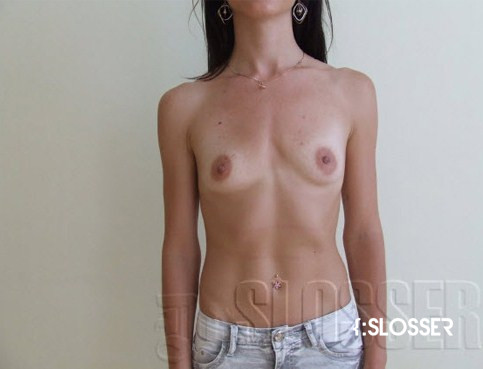
- Breast augmentation using implants in case of congenital hypoplasia or aplasia of the breast. This is the most common indication for breast augmentation.
- Breast asymmetry occurs in almost all women. However, when the difference is significant, it can be a reason for breast augmentation. Moreover, implants can be selected in different sizes and shapes.
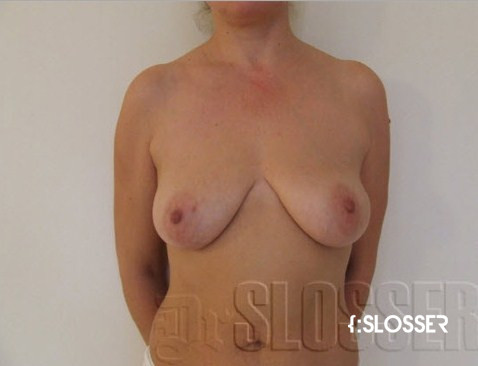
- Breast prolapse after breastfeeding, after pregnancy, as a result of age-related changes. If the prolapse is insignificant, breast augmentation is recommended. If the prolapse is severe, breast augmentation with implants is combined with a simultaneous lift.
- Reconstruction of the breast after its complete or partial removal due to breast cancer. In these cases, special implants are used to augment the breasts.
Breast augmentation - relative contraindications
- Autoimmune diseases such as systemic lupus erythematosus and scleroderma.
- Conditions that impede normal wound healing, such as diabetes mellitus and blood clotting disorders.
- Reduced immune system. Breast augmentation surgery is contraindicated in cases of recent use of immunosuppressive drugs.
- Impaired blood supply to the breast tissue.
Implants for breast augmentation
Implants of different shapes and with different fillings are used for breast augmentation. Absolutely ALL implants, regardless of the content, have a silicone shell. We recommend implants with a rough (textured) surface. It is the use of implants with this type of surface for breast augmentation that significantly reduces the risk of such complications as capsular contracture. Implant filling - here there is silicone of varying degrees of viscosity, saline or hydrogel. Hydrogel implants are not recommended for breast augmentation. Firstly, they are not well studied. Secondly, they significantly lose their shape over several years, and a bumpy surface appears. Saline-filled implants have been actively used in the United States. Currently, permission has been obtained to use silicone as a filler and many surgeons prefer to use this type of implant for breast augmentation, due to its greater naturalness to the touch.
The manufactured implants do not have a limited shelf life. The author of this article had to replace first-generation implants installed 25 years ago. If a woman follows all the rules and recommendations after breast augmentation surgery, the implant can last longer. Some companies provide a quality certificate with a lifetime warranty for the integrity of the implant shell. If it is damaged, the company undertakes to replace it (this, however, does not cover the cost of the breast augmentation surgery itself).
Methods of implant placement
There are several ways to place an implant during breast augmentation. The appropriateness of each is determined at a consultation with a plastic surgeon. The most common locations for implants are: completely under the pectoralis muscle, partially under the pectoralis muscle, partially under the breast, under the fascia of the pectoralis major muscle, and under the breast tissue. Each of the described methods of implant placement has its own indications and is determined by the peculiarities of the structure of the chest, muscles and glands. There is no universal method of breast augmentation.
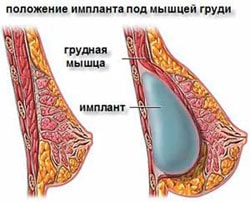
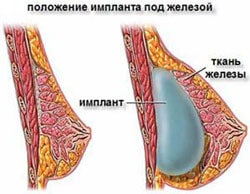
Incisions for breast augmentation
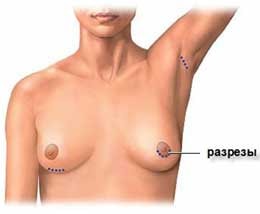 During the existence of breast augmentation operations, surgeons have developed the main accesses (places
Breast augmentation incisions) through which the implant is placed.
The main ones are: along the lower edge of the areola (periareolar breast augmentation), through the areola (transareolar breast augmentation), through an incision in the armpit (transaxillary breast augmentation), through an incision in the navel (transumbilical breast augmentation), through an incision in the lower abdomen with simultaneous abdominoplasty (transabdominal breast augmentation).
Each of the described methods of breast augmentation has its own advantages and disadvantages. The latter two methods of breast augmentation are less popular because they require the use of a filling implant, which looks less natural.
Fears during breast augmentation surgery
The risk of breast cancer. Silicone, which makes up the implant shell, is an absolutely inert substance that is part of many medical devices and cosmetic products. Recent studies by scientists have not found a link between the presence of silicone in the body after breast augmentation and the risk of breast cancer and other diseases, including autoimmune diseases.
Lack of lactation. Long-term clinical studies have not found silicone in breast milk. Also, breastfeeding is not impeded by the presence of implants placed during breast augmentation.
Discomfort. In rare cases, after breast augmentation, there is a slight temporary decrease or increase in nipple sensitivity (especially with the preareolar breast augmentation technique), but sensitivity is quickly restored. In just a few weeks, the implant ceases to be perceived as a foreign body.
Hypertrophic scars. The sutures after breast augmentation surgery become almost invisible in five to six months, but if they still interfere, they can be further corrected using such cosmetic methods as medical tattooing and laser resurfacing.
Risk of complications. According to world statistics, the overall risk of complications after breast augmentation surgery does not exceed 1-2%. The main complications are: capsular contracture, inflammation of the implant, bleeding and hematomas. If you experience any discomfort or anxiety related to the general condition or condition of the wound after breast augmentation, you should immediately consult a doctor.
Implant rupture. The risk of implant rupture is minimal, but this complication still occurs in clinical practice. The main nature of the damage is mechanical trauma to the implant, but in this case, you should not worry. There is always a capsule-shell around the implant, which does not allow the contents of the implant to migrate through the body.
Difficulties in diagnosing after surgery. There is a special technique (Eklund). Mammography in case of breast augmentation with an implant is difficult, but for such patients there is a special method of X-ray examination.
Rehabilitation after breast augmentation surgery
Recovery after breast augmentation is quite fast and not very painful. The operation lasts about 45 minutes, up to a maximum of an hour. The patient regains consciousness immediately after the operation. No bad memories, no nausea, guaranteed by the use of modern drugs by the anesthesiologist. Local anesthesia, which is used by the surgeon during breast augmentation, gives a comfortable feeling in the first hours after surgery. Discharge takes place on the next postoperative day. In the case of breast augmentation under the muscle, the pain component is more pronounced, but even in this case, physical activity is resumed after a week. It is recommended to avoid active physical activity for the first month after breast augmentation. Special compression garments should be worn for at least 3 weeks. The postoperative suture will turn pale and become completely invisible 4-6 months after surgery. After this period, you will get so used to your new forms that you will feel them as your own.
* * * * *
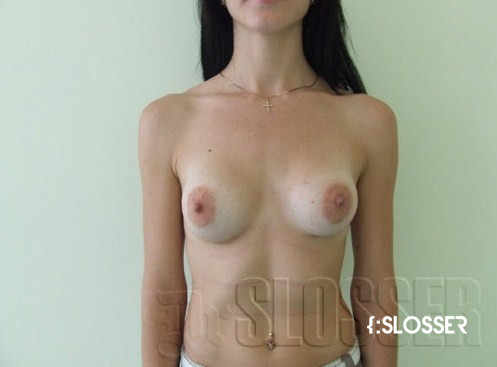
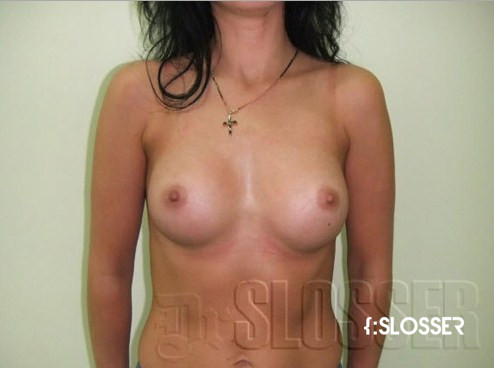
Women with small or underdeveloped mammary glands (micromastia) who want to change the shape and size of their breasts choose breast augmentation, or breast augmentation with implants. This method is also used to restore breast volume after pregnancy or after sudden weight loss, as well as in case of breast asymmetry. Today, silicone implants (endoprostheses) are considered to be completely safe and do not cause other diseases, as previously thought. After breast augmentation surgery, the ability to breastfeed is preserved.
Prostheses are selected individually for each patient. Our clinic uses only the best certified endoprostheses from the leading American company McGhan or Mentor.
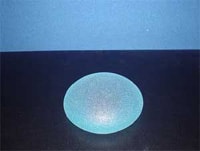
There are several types of breast prostheses for breast augmentation, which differ in shape and composition (silicone or filled with saline or colloidal solution). The prostheses are shaped like round and teardrop-shaped anatomical prostheses. Their shell consists of a chemically inert material. The velvety surface reduces the likelihood of fibrosis - hardening of the mammary glands around the implant. The gel inside gives the breast natural softness and does not spread even if the outer shell of the prosthesis is damaged.
There are several methods of breast augmentation surgery. The incision and placement of the endoprosthesis will depend on your body anatomy and the surgeon's recommendations. The surgical incision can be made either under the breast or under the nipple areola (periareolar approach). Other methods of breast augmentation surgery: through the nipple; submuscular cavity and even the navel, as a rule, have their drawbacks and are not very popular among well-known surgeons.
If your breasts are sagging (ptosis), the surgeon may also recommend a breast lift at the same time. The essence of the operation is to place silicone implants in the pocket between the breast and the muscle, or just under the breast, depending on the indicators.

Honored Doctor of Ukraine, Head of the Plastic Surgery Center
Prices
- Price, in uah
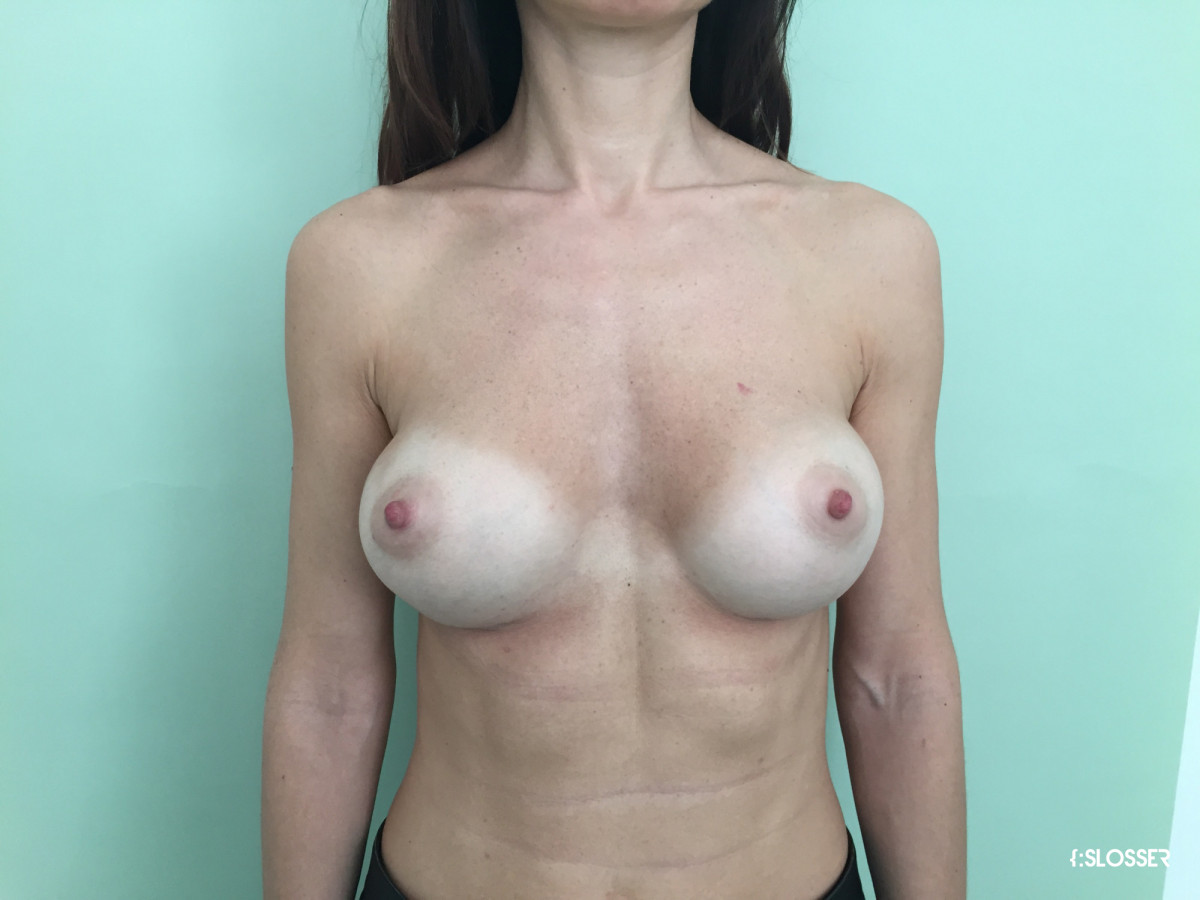
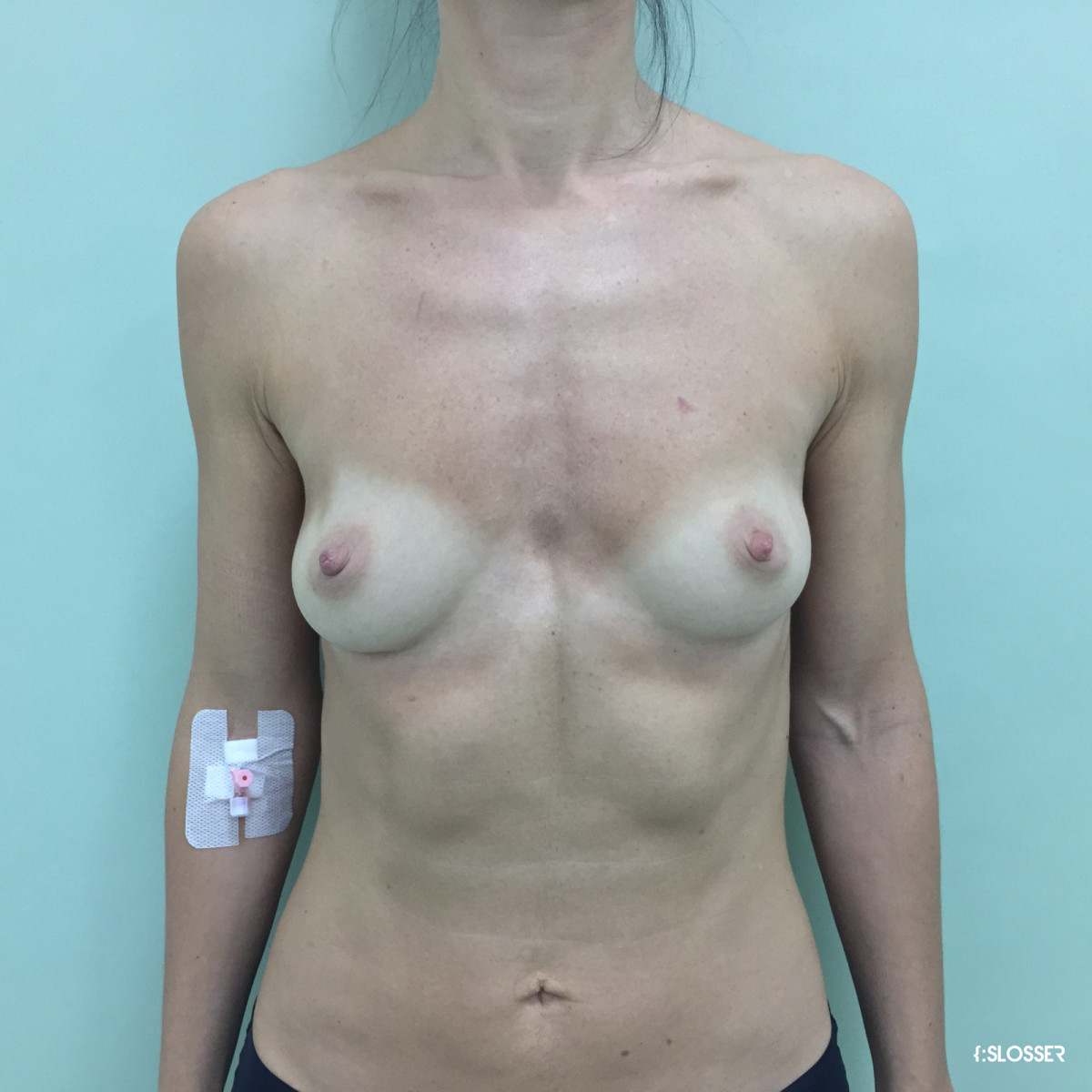
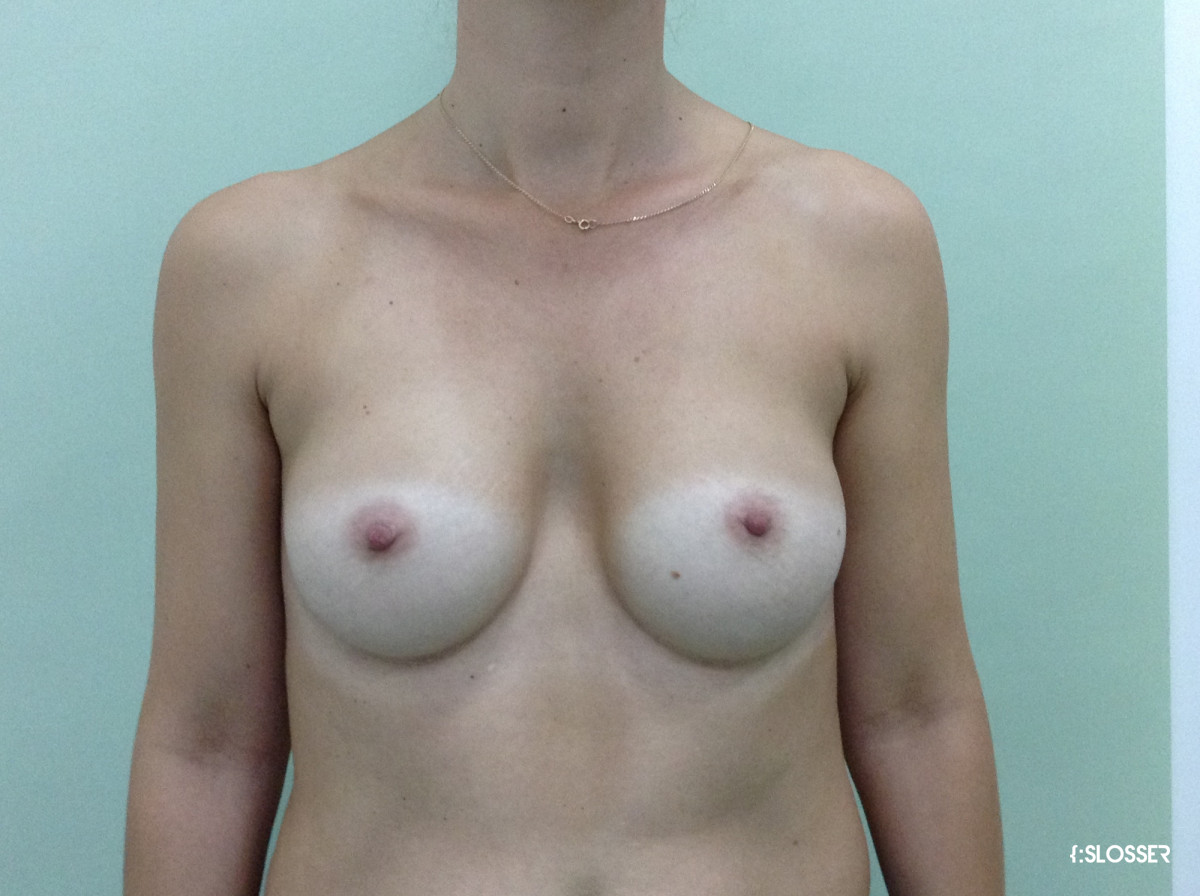
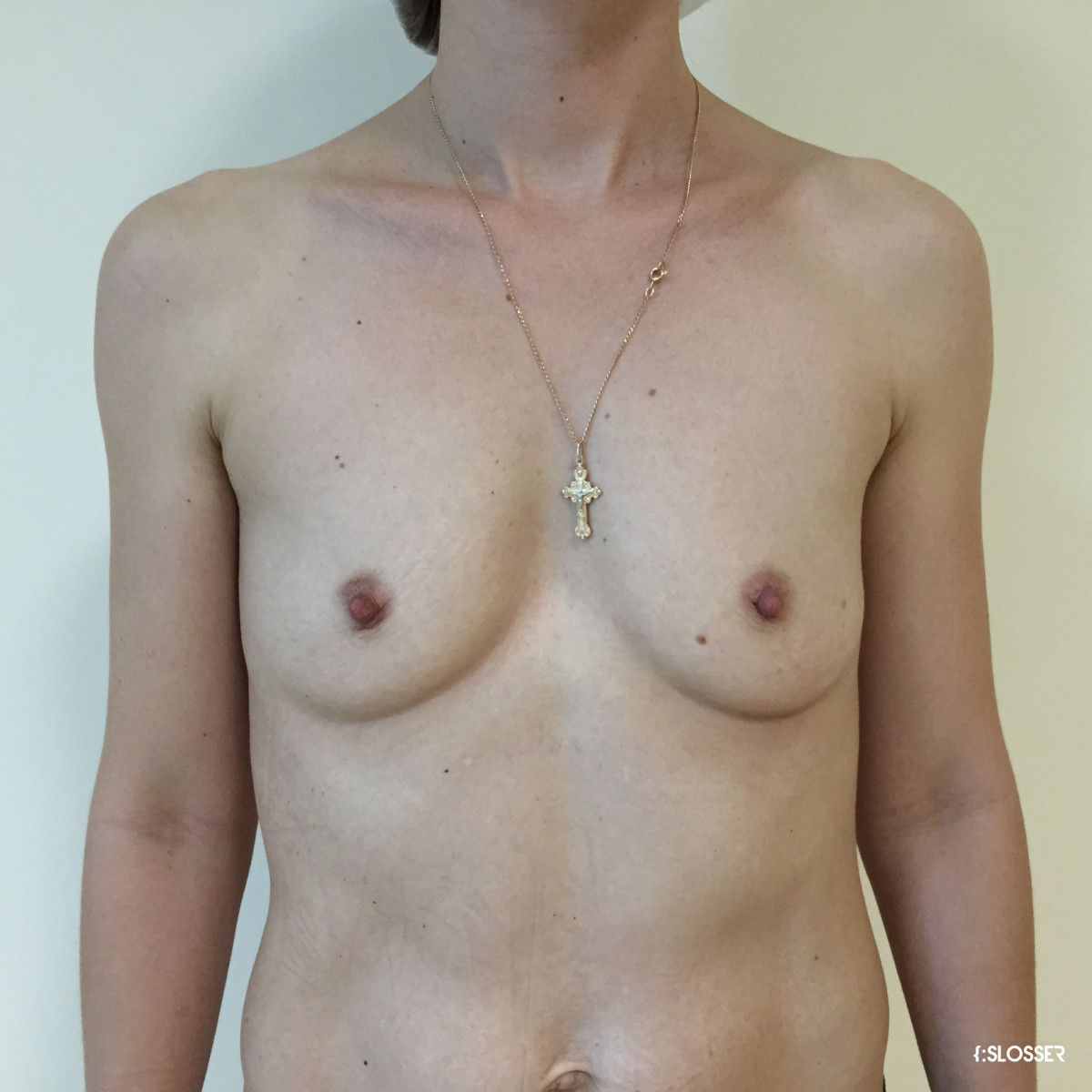
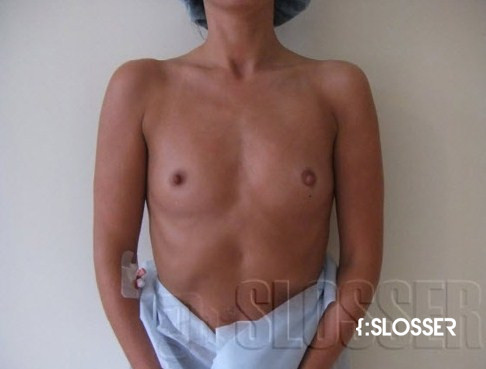
Before/After Gallery
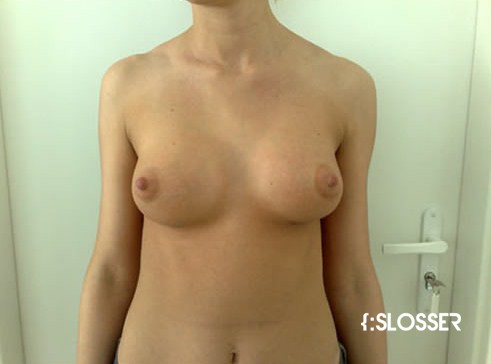
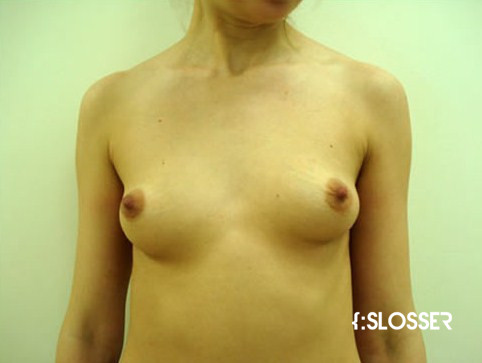
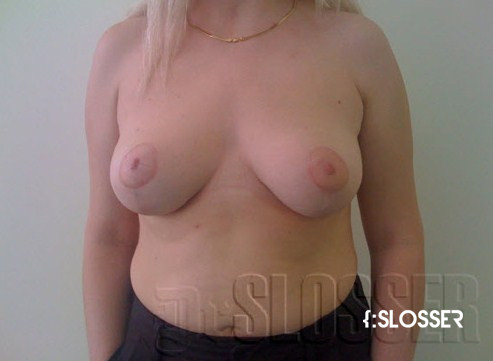
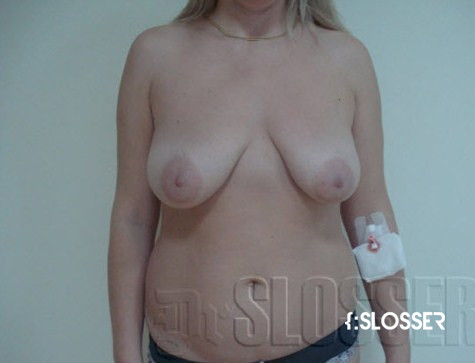
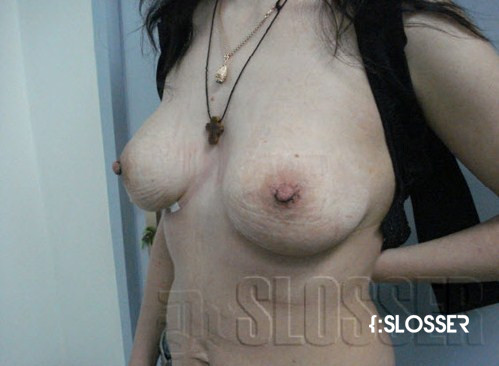

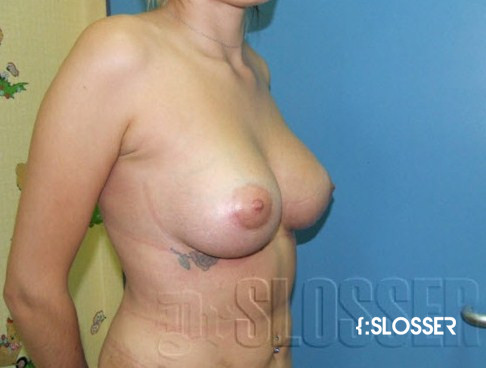
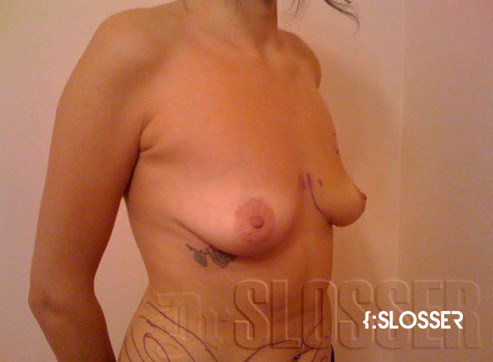
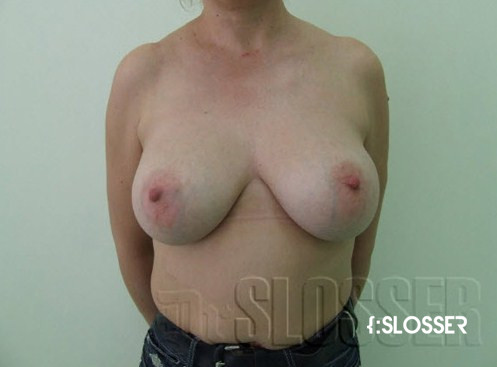
FAQ
In short, pain is manageable. Severe pain after surgery today is the exception rather than the norm. Modern anesthesia, pain management, and recovery protocols make the first days much easier than most patients expect. Most often, discomfort is felt as pressure or tightness. However, it is important to understand that complete absence of sensation is an unrealistic expectation. My position is clear: if a person is afraid of any discomfort, it is better to postpone surgery. The decision must be conscious and well considered.
No. Rehabilitation is part of the surgery, not a separate stage afterward. It is during the recovery period that the final result is formed, tissues stabilize, and the risk of complications decreases. Without proper rehabilitation, even a technically perfect operation may produce a weak outcome. There are procedures with an easier recovery (for example, “weekend lifts”), but surgery without rehabilitation does not exist.
The final result does not appear immediately. It develops gradually over time. Swelling, tissue firmness, and sensations change step by step. During the first weeks, the result is definitely not final, and this is completely normal. The timeline depends on the treated area, the extent of surgery, and individual characteristics of the body. Plastic surgery does not tolerate haste. A good result takes time.
It depends primarily on the type of work you do, not only on the surgery itself. After some procedures, it is possible to return to work within a few days (for example, after “weekend lifts”), while others require weeks of recovery. It is important to consider not only how you feel, but also the safety of the healing process. Returning to activity earlier than recommended increases the risk of complications. It is better to return later than to deal with the consequences of rushing.
Yes, scars always remain. This is part of the natural healing process. However, their appearance changes over time: they become lighter, softer, and less noticeable. Their location and proper care play a crucial role. Careful planning and patience are essential.
When the risks outweigh the benefits, or when the decision is driven by emotions. I refuse if I see that the body is not ready, expectations are unrealistic, or the person does not understand the recovery process. Refusal is also part of treatment. Safety is more important than any desire.
Yes, and it has a significant impact on the outcome. Honest answers, a list of questions, and a willingness to listen save time and help you make the right decision. A consultation is a diagnosis, not a sales pitch. A good consultation is half the success.

Calculate the cost of the operation: Breast augmentation
Leave your details and we will contact you for an accurate assessment of the operation
Materials on the topic
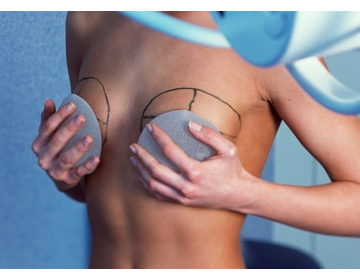
Увеличение груди – все об операции

Three nipples, or mammary glands on the body: a plastic surgeon explains why polymastia occurs
Specially for 
Polymastia is a condition in which a person develops an extra mammary gland that may have nipples and areolas. This phenomenon is mostly hereditary. Renowned plastic surgeon and distinguished doctor of Ukraine Dmytro Slosser told ICTV Facts more about three nipples in men and women and the specifics of treating this condition.