Composite Breast Augmentation: What Hybrid Breast Augmentation Is and Why It Is Becoming the New Standard in Plastic Surgery
 All articles
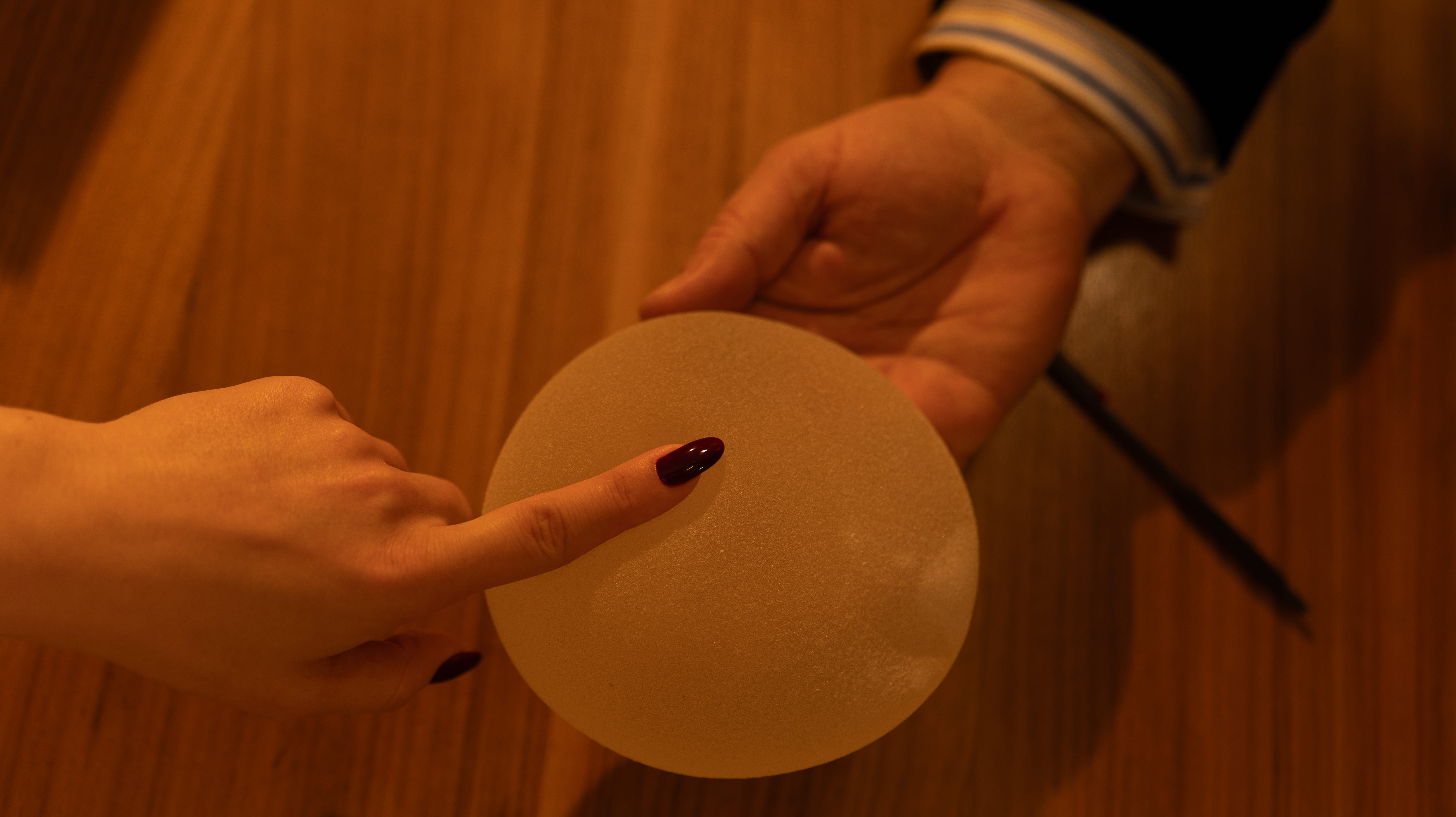
Composite breast augmentation is one of the most advanced techniques in aesthetic plastic surgery, combining breast implants with autologous fat grafting to achieve a more natural-looking result. This approach is also referred to as hybrid breast augmentation or composite breast augmentation. Rather than simply increasing breast size, the procedure focuses on creating natural contours, soft tissue coverage, and harmonious proportions.
As a plastic surgeon, I often recommend composite breast augmentation to patients seeking the most natural aesthetic outcome. While implant selection was once considered the primary factor in achieving beautiful results, modern techniques now allow us to further refine breast shape using the patient’s own fat. This provides significantly greater flexibility in creating breasts that look and feel more natural.
What Is Composite Breast Augmentation?
During composite breast augmentation, breast implants provide the primary increase in volume, while purified fat harvested from the patient’s own body is strategically injected to refine the breast contour. Fat is typically collected through liposuction from areas with sufficient adipose tissue, most commonly the abdomen, flanks, or thighs. After careful processing and purification, viable fat cells are injected into selected areas of the breast using fine cannulas.
This combined approach not only increases breast volume but also softens implant edges, improves upper pole fullness, corrects minor asymmetries, and enhances the overall appearance of the cleavage area.
Key Benefits of Composite Breast Augmentation
- A more natural breast shape and softer feel.
- Reduced visibility and palpability of implant edges, particularly in slender patients.
- More precise correction of natural breast asymmetry.
- Smoother and more harmonious cleavage contours.
- Additional body contouring through liposuction.
- The ability to achieve the desired aesthetic outcome while using smaller breast implants in selected patients.
The combination of breast augmentation with implants and autologous fat grafting has made hybrid breast augmentation one of the most promising developments in modern aesthetic breast surgery. Clinical studies suggest that fat grafting improves soft tissue coverage over the implant and contributes to a more natural aesthetic appearance, particularly in patients with limited native breast tissue.
Who Is a Good Candidate for Hybrid Breast Augmentation?
Composite breast augmentation is particularly well suited for women with naturally small or moderate breast volume who desire subtle, natural-looking enhancement. It is frequently recommended for patients with thin soft tissue coverage, where implant edges may otherwise become visible or palpable. The technique is also beneficial for correcting mild breast asymmetry and restoring volume lost after pregnancy and breastfeeding.
An adequate amount of donor fat is an essential prerequisite for the procedure, as the patient’s own adipose tissue is used for grafting. However, candidacy for hybrid breast augmentation is always determined individually during consultation with a board-certified plastic surgeon. The surgeon evaluates breast anatomy, soft tissue quality, aesthetic goals, and the availability of donor fat before recommending the most appropriate surgical approach.
Composite Breast Augmentation vs. Traditional Breast Implant Surgery
Although both procedures are safe and effective, they differ significantly in terms of surgical technique and aesthetic possibilities.
|
Traditional Breast Augmentation |
Composite Breast Augmentation |
|
Breast volume is created solely by the implant. |
Volume is achieved using both implants and autologous fat grafting. |
|
Final contour depends on existing soft tissue thickness. |
Breast contour is further refined using the patient’s own fat. |
|
Limited ability to sculpt the cleavage area. |
Greater precision in shaping the upper and medial breast poles. |
|
Implant edges may be visible in very slim patients. |
Fat grafting helps conceal implant edges and improve soft tissue coverage. |
|
Correction of asymmetry relies mainly on implant selection. |
Minor asymmetries can be refined with targeted fat grafting. |
The ability to customize breast shape beyond implant selection alone is one of the main reasons why composite breast augmentation is becoming an increasingly popular option in contemporary aesthetic plastic surgery.
How Is Composite Breast Augmentation Performed?
Composite breast augmentation combines two surgical techniques within a single procedure: breast augmentation with implants and autologous fat grafting.
The surgery is performed under general anaesthesia and typically consists of four main stages.
- Liposuction. Fat is gently harvested through small incisions from areas with sufficient adipose tissue, most commonly the abdomen, flanks, or thighs.
- Fat processing. The harvested fat is carefully purified to remove blood, anaesthetic solution, and other impurities. Only viable fat cells are retained for transplantation.
- Implant placement. A breast implant is inserted into a precisely created pocket according to the patient’s anatomy, tissue characteristics, and the preoperative surgical plan. Modern breast implants are covered by a lifetime manufacturer’s warranty, so they do not need to be replaced after a certain period unless there is a medical indication or your plastic surgeon recommends replacement.
- Fat grafting. The purified fat is strategically injected into selected areas of the breast using fine cannulas. This step allows the surgeon to smooth contour transitions, refine breast symmetry, enhance upper pole fullness, improve cleavage definition, and further conceal implant edges where necessary.
It is this final stage that distinguishes composite breast augmentation from conventional implant-based breast augmentation.
Clinical studies have shown that autologous fat grafting can improve soft tissue coverage over breast implants, particularly in patients with limited native breast tissue, contributing to a more natural aesthetic outcome.
Recovery After Composite Breast Augmentation
Following surgery, patients usually remain in the hospital for one night. Recovery protocols may vary depending on the extent of the procedure and each patient’s individual healing process.
During the first few weeks after surgery, patients are generally advised to:
- wear a postoperative compression bra as instructed;
- avoid strenuous physical activity and heavy lifting;
- refrain from sleeping on their stomach;
- carefully follow all postoperative instructions provided by their plastic surgeon.
Most swelling gradually subsides over the following weeks. However, the final outcome is typically assessed three to six months after surgery, once the transferred fat has stabilized and postoperative swelling has fully resolved.
It is important to understand that not all transferred fat cells survive after grafting. A certain percentage is naturally reabsorbed by the body during the healing process. The exact fat survival rate depends on multiple factors, including surgical technique, tissue vascularity, postoperative care, and individual biological characteristics. For this reason, experienced plastic surgeons always account for the expected fat retention rate when planning composite breast augmentation.
Frequently Asked Questions About Composite Breast Augmentation
How does composite breast augmentation differ from fat grafting alone?
Breast fat grafting alone relies exclusively on the patient’s own fat to increase breast volume. In contrast, composite breast augmentation combines implants with autologous fat grafting, providing a more predictable increase in volume while achieving softer contours and a more natural appearance.
Can breast augmentation be performed using fat grafting alone?
Yes, but only to a limited extent. In most cases, fat grafting alone can increase breast volume by approximately one cup size. Patients seeking a more significant increase in breast size are generally better candidates for composite breast augmentation.
Will I ever need to replace my breast implants?
Modern breast implants are covered by a lifetime manufacturer’s warranty and do not require routine replacement after a certain number of years. If an implant remains intact, does not cause discomfort, and is not associated with any complications, there is no medical need for replacement. Revision surgery is recommended only if medically indicated or if the patient wishes to change the size or shape of her breasts.
Can I breastfeed after breast augmentation?
In most cases, yes. Modern breast augmentation techniques are designed to preserve the milk ducts and glandular breast tissue, meaning that the procedure generally does not interfere with breastfeeding. However, plastic breast surgery—particularly a breast lift (mastopexy)—is usually recommended after breastfeeding has been completed. This helps achieve a more predictable aesthetic outcome and reduces the likelihood of changes in breast shape following a future pregnancy or lactation.
When can I return to exercise?
Light daily activities can usually be resumed within several days after surgery. More intensive exercise, including strength training and high-impact activities, is generally postponed for six to eight weeks. Your plastic surgeon will determine the appropriate timeline during follow-up appointments based on your individual recovery.

Honored Doctor of Ukraine, Head of the Plastic Surgery Center
Contact me
Plastic surgeon
Ukraine, Kyiv, Shchekavytska St., 9a
(Clinic "Nove Tilo")