Breast Implant Removal: What Happens to Your Body After Surgery?
 All articles
In recent years, breast implant removal, also known as explant surgery, has become one of the most widely discussed topics in plastic surgery. While breast augmentation was once the primary reason women sought consultation with plastic surgeons, an increasing number of patients today are interested in returning to a more natural appearance. The reasons vary and may include changing aesthetic preferences, age-related changes, physical discomfort, capsular contracture, or the need to replace implants after many years.
One of the most common questions I hear during consultations is: “What will happen to my body after my implants are removed?” The answer depends on several factors, including implant size, tissue quality, the patient’s age, and how long the implants have been in place.
There is a common misconception that breast implants must be replaced every ten years. In reality, modern implants are designed for long-term use, and the decision to replace or remove them should be made on an individual basis. If an implant is not causing discomfort, shows no signs of damage, and the patient remains satisfied with the aesthetic outcome, there may be no need for immediate surgery. However, over time, not only the implants but also the breast tissues themselves change, leading some women to choose implant removal in favor of a more natural look.
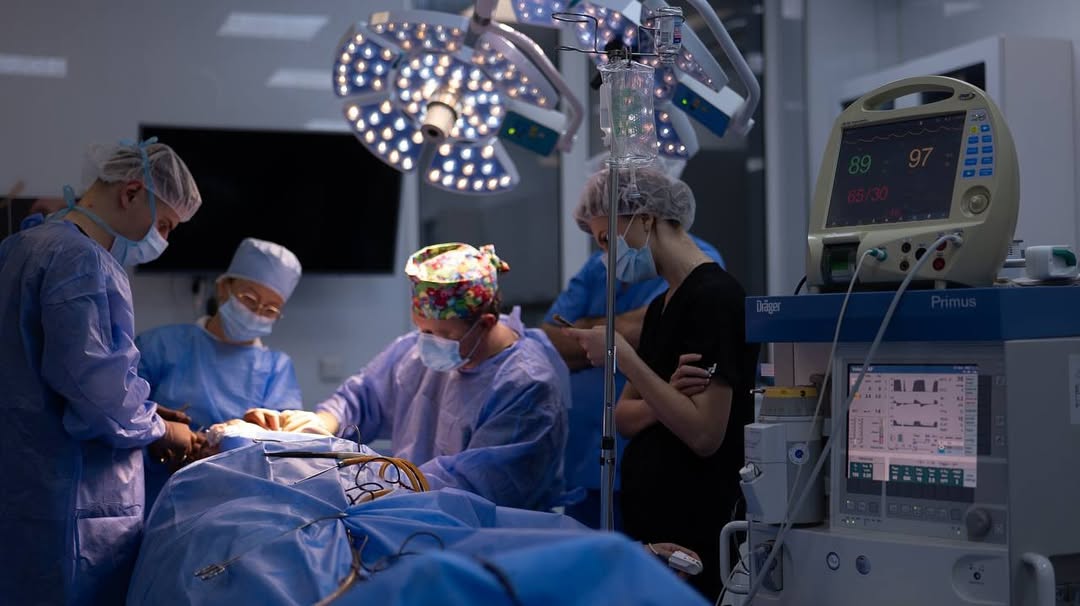
How Do the Breasts Change After Explant Surgery?
Following explant surgery, the body begins adapting to its new anatomical state. During the first few weeks, swelling, temporary discomfort, and changes in sensation are common and should be considered a normal part of the healing process. The final result is typically assessed several months after surgery, once the tissues have fully healed and settled into their natural position.
The most common concerns patients have after implant removal include:
• potential loss of breast shape and volume;
• the possibility of excess skin following explant surgery;
• whether a breast lift may be necessary to achieve an optimal aesthetic result;
• the expected recovery timeline and healing process.
It is important to understand that the breasts do not always return to their pre-augmentation appearance. If large implants were used or if they remained in place for many years, the skin and supporting tissues may have stretched significantly. As a result, patients may experience volume loss, tissue sagging, or excess skin after implant removal.
For this reason, explant surgery is often combined with mastopexy, commonly known as a breast lift. According to the American Society of Plastic Surgeons, this combination can improve breast shape and provide a more predictable aesthetic outcome.
It is also important to remember that adaptation occurs not only on a physical but also on a psychological level. After living with larger breasts for many years, some women need time to adjust to their new appearance. This is why a detailed discussion with the surgeon about expected results and potential options for reshaping the breasts is essential before surgery.
Recovery time also depends on the extent of the procedure. Most patients can return to their normal daily activities within a few days or weeks, although the final breast shape may continue to evolve for several months and, in some cases, up to six months.
What Else Should You Know Before Surgery?
Another important aspect to consider is the capsule — the natural layer of scar tissue that the body forms around any implant. If the capsule is soft and not causing any problems, the surgeon may choose to leave it partially or completely intact. However, in cases of capsular contracture, breast deformity, or other complications, a capsulectomy — removal of the capsule along with the implant — is often recommended.
Before undergoing explant surgery, it is important to have a comprehensive evaluation of the breasts, which may include ultrasound imaging or magnetic resonance imaging (MRI) when necessary. These examinations help assess the condition of the implants, the capsule, and the surrounding tissues, allowing the surgeon to determine the most appropriate surgical approach.
Patients should also discuss the expected appearance of their breasts after implant removal well in advance. Modern plastic surgery offers several options, ranging from isolated explant surgery to procedures combined with a breast lift or fat grafting. This individualized approach helps achieve the most natural and harmonious outcome possible.
In my practice, I always emphasize that implant removal should not be viewed as a step backward. For many women, it is a conscious decision driven by lifestyle changes, evolving perceptions of beauty, or a desire for greater personal comfort.
Modern plastic surgery offers a variety of solutions to help breasts look natural, balanced, and aesthetically pleasing after explant surgery. The key factors are an individualized treatment plan, careful surgical planning, and realistic expectations regarding the final result.

Honored Doctor of Ukraine, Head of the Plastic Surgery Center
Contact me
Plastic surgeon
Ukraine, Kyiv, Shchekavytska St., 9a
(Clinic "Nove Tilo")