Quiet Plastic Surgery: The Leading Rejuvenation Trend of 2026
 All articles
Modern plastic surgery clearly reflects how patient expectations have evolved. Whereas the primary goal once was a visibly younger appearance, today’s patients increasingly seek natural-looking results. They are no longer interested in dramatically changing their facial features or concealing every sign of aging. Instead, they want to look refreshed and healthy while preserving their unique facial characteristics. The ideal outcome is one in which others notice that they look better without realizing that they have undergone surgery.
This is why, in 2026, so-called quiet plastic surgery has emerged as one of the leading trends in aesthetic surgery. It is not a specific procedure or surgical technique, but rather a modern philosophy of facial rejuvenation based on restraint, precision, and respect for each patient’s individual anatomy.
The core principles of this approach include:
- achieving natural-looking results without obvious signs of surgery;
- preserving each patient’s unique facial identity;
- performing only the amount of correction that is truly necessary (for example, my signature "Weekend Lift" technique);
- prioritizing long-lasting outcomes over immediate visual impact.
Why Quiet Plastic Surgery Has Become a Major Trend
As a plastic surgeon, I have observed that today’s patients are far better informed than they were five or ten years ago. They carefully evaluate surgical outcomes, ask more informed questions, and increasingly request subtle refinements rather than complete facial transformation. This represents a significant shift in the perception of aesthetic surgery.
In the past, successful surgery was often associated with dramatic, highly visible changes. Today, success is defined differently. A patient should look as though they have had a good rest, adopted a healthier lifestyle, lost some weight, or simply have excellent genetics. When friends and colleagues notice that someone looks refreshed but cannot identify the reason, the result has usually been achieved with exceptional precision.
For this reason, the concept of quiet plastic surgery is increasingly used to describe contemporary facial rejuvenation. It reflects the broader movement toward understated aesthetics that has become evident not only in medicine but also in architecture, interior design, and fashion.
The Modern Approach to Facial Rejuvenation
It is important to understand that quiet plastic surgery requires meticulous preoperative planning. Rather than focusing solely on wrinkles or excess skin, the surgeon carefully evaluates overall facial proportions, tissue quality, ligament support, fat compartments, and age-related changes occurring throughout the different anatomical layers of the face.
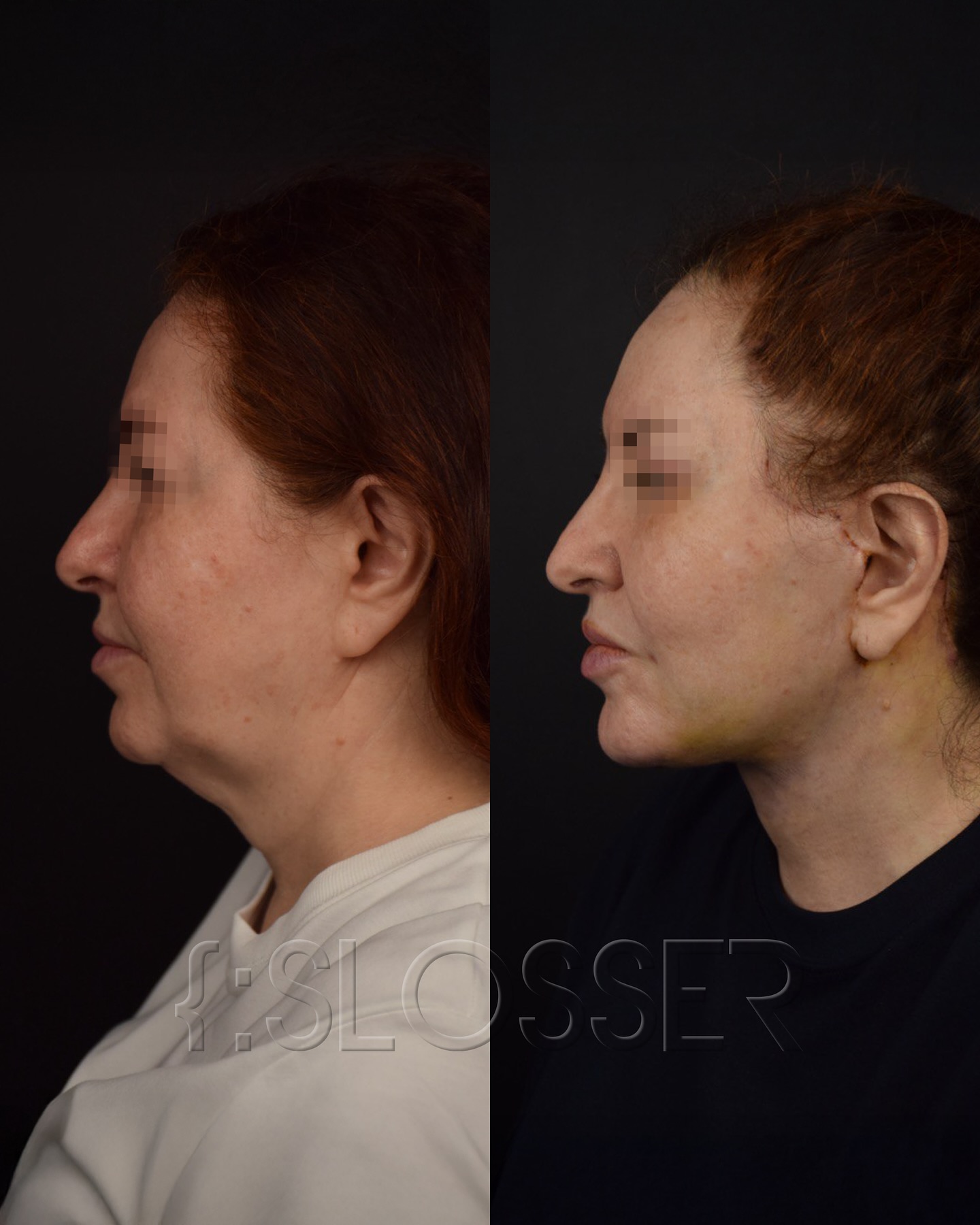
Modern facial rejuvenation is increasingly based on restoring natural anatomy rather than creating excessive tissue tension. As a result, overly tightened faces, altered facial expressions, and the loss of individual facial character have become far less common than they were in the past.
Another important factor is timely consultation with a plastic surgeon. When patients seek treatment before age-related changes become advanced, it is often possible to perform less invasive procedures or smaller-volume surgical corrections. In these cases, results tend to appear more natural, while recovery is often easier than after surgery performed at later stages of facial aging.
|
Quiet Plastic Surgery |
Traditional Approach to Facial Rejuvenation |
|
Natural-looking results with no obvious signs of surgery |
A highly noticeable rejuvenation effect |
|
Preservation of each patient’s unique facial features |
A visibly altered appearance |
|
Only the necessary degree of surgical correction |
More aggressive correction of age-related changes |
|
Harmonious restoration of facial balance and proportions |
Focus primarily on individual problem areas |
|
Gradual, natural-looking rejuvenation |
Rapid and highly visible transformation |
|
Individualized, comprehensive treatment planning |
Standardized approaches with limited personalization |
Individualized Treatment and a Comprehensive Approach
Another defining characteristic of modern aesthetic medicine is the move away from universal solutions. While standardized beauty ideals once dominated the field, treatment planning today is entirely individualized. What represents the optimal solution for one patient may be completely inappropriate for another.
In many cases, surgical rejuvenation is no longer viewed as a standalone procedure. Following surgery, patients may receive recommendations regarding skincare, daily sun protection using SPF products, laser treatments, skin quality improvement, and other complementary approaches that help maintain long-term results. Importantly, any additional treatment should be evidence-based and guided by clear clinical indications rather than aesthetic trends.
It is equally important to remember that a natural-looking outcome depends on much more than surgical technique alone. Appropriate patient selection, thorough preoperative assessment, detailed discussion of expectations, and careful adherence to postoperative recommendations all play a critical role in achieving an optimal result.
Natural Results as the New Standard
Today, patients increasingly choose gradual, harmonious rejuvenation over dramatic transformation. As a result, preserving natural beauty rather than creating an entirely different appearance has become one of the defining principles of contemporary aesthetic surgery.
In my opinion, this is precisely what makes quiet plastic surgery so valuable. A successful procedure should never draw attention to itself. Instead, it should help patients look more attractive, refreshed, and confident while preserving what makes them unique. The true skill of a plastic surgeon lies not in changing a person’s face, but in restoring its natural harmony with the utmost precision and respect for individual identity.
Frequently Asked Questions
What is Quiet Plastic Surgery?
Quiet Plastic Surgery is a contemporary approach to aesthetic surgery that focuses on achieving natural-looking rejuvenation without obvious signs of surgical intervention. Rather than referring to a specific procedure, it represents a treatment philosophy based on individualized planning and precise, conservative correction of age-related changes.
How does Quiet Plastic Surgery differ from a traditional facelift?
The difference lies not so much in the procedure itself as in the overall surgical approach. Modern facial rejuvenation techniques aim to restore natural anatomy instead of creating excessive tissue tension. As a result, patients appear refreshed and more youthful while maintaining their natural facial expressions and individual features.
Who is a good candidate for Quiet Plastic Surgery?
This approach is best suited for patients who wish to look younger without dramatically changing their appearance. Whether surgery is appropriate is determined individually during a consultation and comprehensive clinical assessment.
Does Quiet Plastic Surgery produce less noticeable results?
No. The goal is not to reduce the effectiveness of the procedure, but to ensure that the outcome appears completely natural. Patients look healthier, more rested, and more youthful, without the characteristic signs of facial surgery.
Can plastic surgery be combined with non-surgical aesthetic treatments?
Yes. Following recovery, a plastic surgeon may recommend evidence-based complementary treatments such as professional skincare, daily sun protection, laser procedures, or other therapies when clinically indicated. A comprehensive treatment strategy often helps maintain rejuvenation results over the long term.
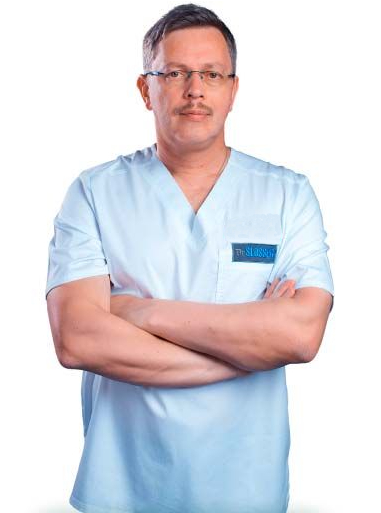
Honored Doctor of Ukraine, Head of the Plastic Surgery Center
Contact me
Plastic surgeon
Ukraine, Kyiv, Shchekavytska St., 9a
(Clinic "Nove Tilo")