Simultaneous Plastic Surgeries: How to Go Through One Recovery Instead of Two
 All articles
In modern aesthetic surgery, more and more patients are choosing simultaneous or combined procedures, meaning several plastic surgeries performed under a single anesthesia. This approach is not only about patient comfort or saving time for the medical team. Above all, it is about the opportunity to undergo one recovery period instead of two, minimize psychological stress, and return to an active lifestyle more quickly.
As a plastic surgeon with many years of experience, I can confidently say that properly planned simultaneous surgeries have long become a global practice. They are widely performed in leading clinics across Europe and the United States, while international professional organizations, including the American Society of Plastic Surgeons and ISAPS, emphasize the importance of an individualized approach and thorough risk assessment before combined procedures.
What Are Simultaneous Surgeries?
Simultaneous or combined surgeries involve performing two or more surgical procedures during a single operative session. For example, a patient may undergo rhinoplasty and septoplasty simultaneously, combine mammoplasty with liposuction, or have a facelift together with blepharoplasty.
Today, having two plastic surgeries at the same time is no longer unusual. It is a predictable and carefully controlled practice for properly selected patients. The most common combinations include:
- rhinoplasty and septoplasty;
- mammoplasty and body contouring;
- abdominoplasty and liposuction;
- facelift and blepharoplasty;
- facial lipofilling combined with age-related corrective procedures.
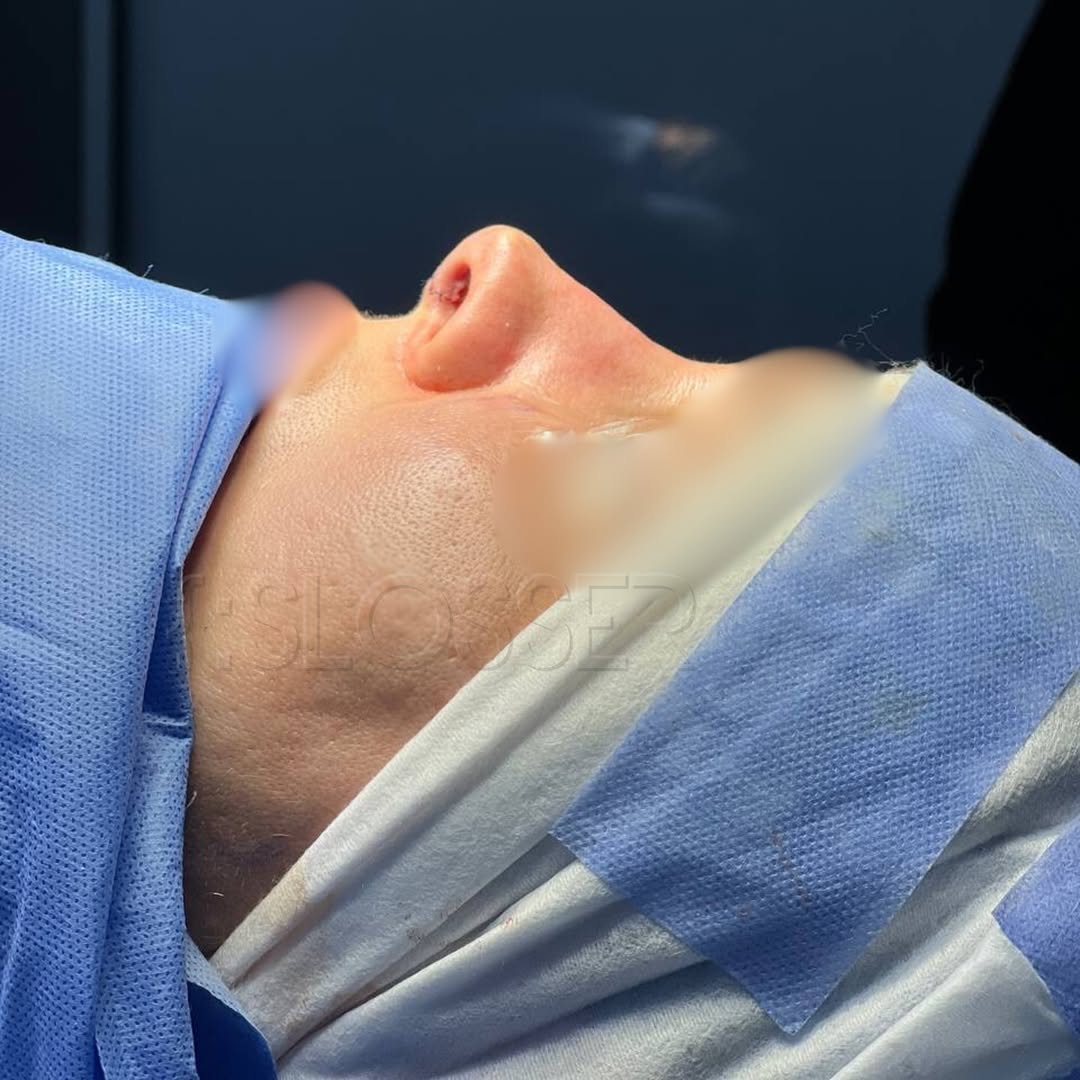
One of the most popular examples today is septorhinoplasty, which combines aesthetic nasal correction with restoration of proper nasal breathing. That is why the search query “septorhinoplasty reviews” remains one of the most common among patients seeking not only aesthetic improvement but also functional enhancement of their quality of life.
Why Patients Choose Combined Procedures
The main advantage of simultaneous surgeries is undergoing one recovery instead of several. A patient experiences one period of swelling, temporary lifestyle limitations, and rehabilitation, rather than returning to the same process months or even years later.
In addition, simultaneous procedures make it possible to:
- avoid repeated anesthesia;
- reduce the total recovery and downtime period;
- achieve comprehensive facial or body harmony;
- obtain a psychologically cohesive result;
- in some cases, optimize expenses related to the operating room and hospital stay.
This is precisely why combined plastic surgery procedures in Kyiv have become one of the most sought-after options in aesthetic medicine today.
When Are Simultaneous Surgeries Truly Justified?
Not every patient is a suitable candidate for combined procedures, as safety must always take priority over the desire to “do everything at once.” Before planning simultaneous surgery, we carefully evaluate the patient’s overall health condition and laboratory test results. Particular attention is paid to cardiovascular risks, body mass index, and the anticipated duration of anesthesia.
It is also essential to consider the extent of the planned procedures and how well the patient’s body is prepared for recovery. Only a comprehensive assessment of all these factors allows us to make a safe and well-founded decision regarding simultaneous surgery.
The best candidates are typically physically healthy patients without severe chronic illnesses and with realistic expectations regarding their appearance.
At the same time, there are situations when it is safer to divide procedures into stages. For example, if the predicted duration of surgery is excessively long or the patient has an increased risk of thrombosis or postoperative complications.
Septorhinoplasty: One of the Most Common Examples of Simultaneous Surgery
Septorhinoplasty combines functional septoplasty with aesthetic rhinoplasty. During one procedure, the surgeon not only changes the shape of the nose but also corrects a deviated septum to restore proper breathing.
In most cases, this approach is far more reasonable than performing two separate surgeries. The patient undergoes anesthesia once and experiences only one recovery period.
According to international data, the initial recovery after septoplasty or septorhinoplasty usually takes 7–10 days, although final tissue formation may continue for up to a year.
That is why patients researching “septorhinoplasty reviews” often focus not only on the postoperative appearance of the nose but also on how comfortable the recovery process was and whether breathing improved afterward.
Recovery After Simultaneous Surgeries
Recovery after simultaneous surgeries depends on the combination of procedures, their duration, and the individual characteristics of the patient’s body. During the first days after surgery, patients may experience swelling, a feeling of tissue tightness, temporary weakness, bruising, and certain physical activity restrictions. However, psychologically, most people find it easier to go through one recovery period rather than face surgical stress again several months later.
Proper preoperative preparation, an appropriate surgery duration, modern anesthesia techniques, thrombosis prevention, high-quality postoperative care, and strict adherence to the surgeon’s recommendations all play a critically important role in safe recovery. This comprehensive approach significantly reduces risks and helps make recovery after simultaneous surgeries as predictable and comfortable as possible.
Does the Risk of Complications Increase?
This is one of the most important questions. Scientific publications indicate that with proper patient selection and strict adherence to safety protocols, combined procedures can be performed without a significant increase in risks. At the same time, excessively long surgeries may indeed place additional stress on the body.
That is why a responsible plastic surgeon always evaluates not only the patient’s wishes but also the physiological capabilities of their body.
Why Choosing an Experienced Surgeon Matters
Simultaneous surgeries require far more careful planning than a standard single procedure. In such cases, the plastic surgeon must not only accurately calculate the duration of the surgery but also carefully plan the sequence of all stages in order to minimize stress on the patient’s body. The specifics of anesthesia are equally important, since combined procedures require consideration of both the scope of surgery and the total time the patient remains under anesthesia.
Special attention is also paid to predicting the postoperative period and ensuring safe recovery. That is why, when searching for combined plastic surgery procedures in Kyiv, patients should pay attention not only to before-and-after photos but also to the surgeon’s experience, the clinic’s standards, and the quality of postoperative care.
FAQ
Is it safe to have two plastic surgeries at the same time?
Yes, provided the patient undergoes proper medical evaluation and the surgery is performed by an experienced team following international safety protocols.
Which procedures are most commonly combined?
The most common combinations include rhinoplasty with septoplasty, mammoplasty with liposuction, as well as age-related facial procedures.
How long does recovery after simultaneous surgeries take?
Initial recovery usually lasts from 1 to 3 weeks depending on the extent of the procedures. Final tissue healing and formation may continue for several months or longer.
Can rhinoplasty be combined with septum correction?
Yes. This is one of the most common simultaneous procedures and is known as septorhinoplasty.
Are simultaneous surgeries more expensive?
In some cases, the total cost may actually be lower than undergoing several separate procedures, since the patient only requires one hospitalization and one anesthesia session.

Honored Doctor of Ukraine, Head of the Plastic Surgery Center
Contact me
Plastic surgeon
Ukraine, Kyiv, Shchekavytska St., 9a
(Clinic "Nove Tilo")