Plastic Surgery and AI: Can You See the Results Before Surgery?
 All articles
Just a few years ago, patients would bring photographs of celebrities or examples of other people’s surgical outcomes to their consultations. Today, they are increasingly showing images generated by artificial intelligence. Modern AI-powered tools can alter the shape of the nose, chin, or facial contours within seconds, creating the impression that the outcome of a plastic surgery procedure is already known.
However, there is a significant difference between a digital visualization and an actual surgical result. Despite the rapid advancement of technology, artificial intelligence cannot predict with absolute accuracy how tissues will heal, how scars will form, or how facial contours will change after a procedure. For this reason, AI-based simulations should be viewed as a supplementary tool for discussing expectations rather than a guarantee of future results.
Today, artificial intelligence technologies are used in plastic surgery for a variety of purposes, including:
- creating visualizations of potential surgical outcomes;
- analyzing facial and body proportions;
- generating three-dimensional models;
- planning specific stages of a procedure;
- improving communication between the surgeon and the patient.
However, even the most advanced algorithms cannot replace a surgeon’s clinical experience or account for every aspect of an individual patient’s anatomy and healing process.
How AI Visualizations Work
Most modern AI systems analyze photographs of a patient and use large datasets to generate predictions of possible aesthetic changes. These systems rely on machine learning algorithms that identify patterns between baseline images and the outcomes of similar procedures.
At first glance, such visualizations can appear highly convincing. The quality of the images may create the impression that a patient is looking at their own face or body after surgery. In reality, however, artificial intelligence produces only a probable scenario rather than an exact prediction.
Even professional medical software specifically designed for plastic surgery cannot predict every biological process that will occur after an operation with complete accuracy. Therefore, these visualizations should be used as a tool for discussion rather than as a promise of a specific outcome.
Why AI Cannot Accurately Predict Surgical Results
Plastic surgery deals with living tissues, not digital models. The final outcome of a procedure is influenced by numerous factors that are difficult—or sometimes impossible—to incorporate into computer-generated simulations.
These factors include:
- skin thickness and quality;
- tissue elasticity;
- blood supply characteristics;
- healing speed;
- individual predisposition to scar formation;
- age-related changes;
- the body’s response to surgery.
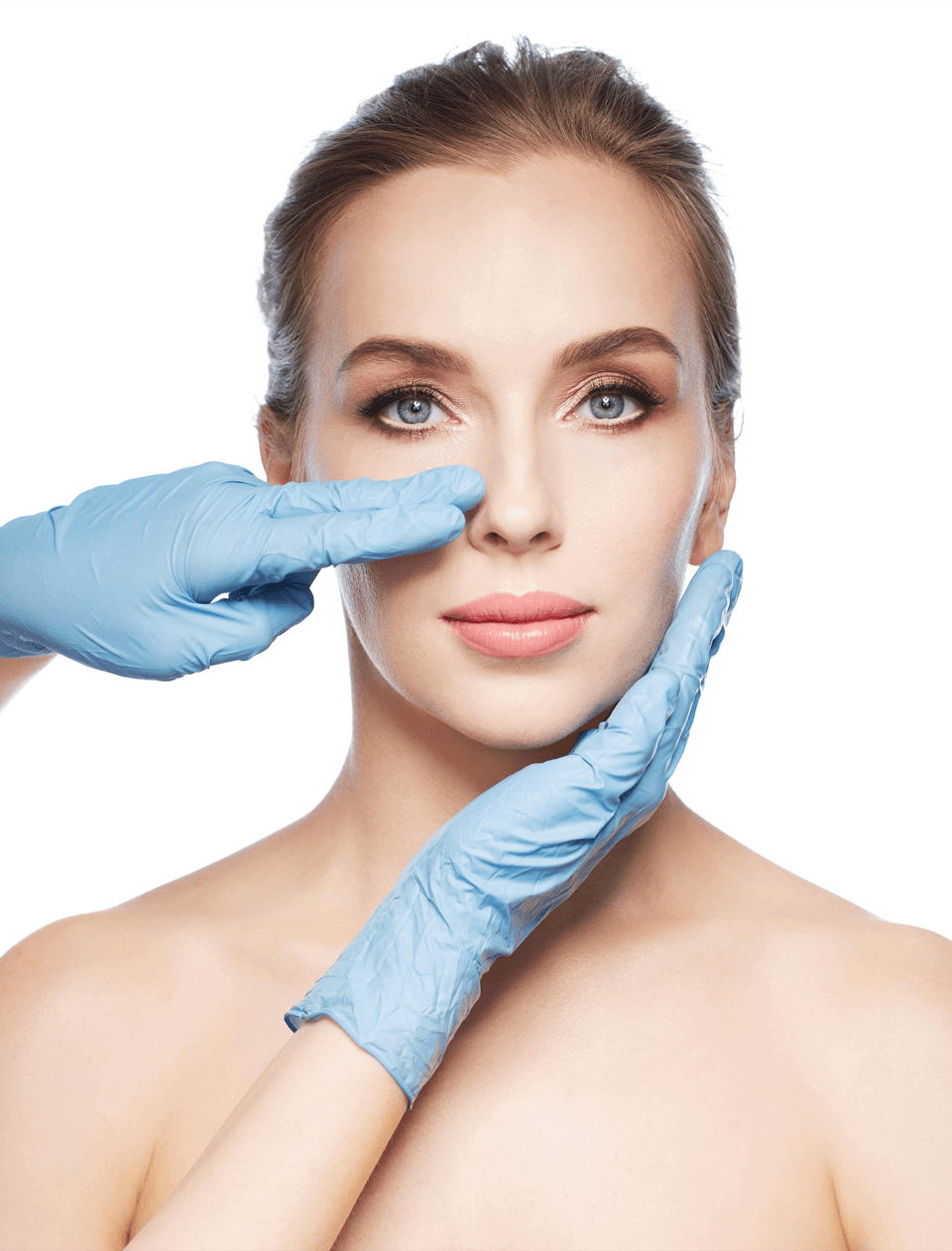
For example, two patients may undergo the same rhinoplasty procedure yet achieve somewhat different results due to variations in anatomy and healing processes. This is why no experienced plastic surgeon can guarantee a perfect match between a computer-generated visualization and the actual surgical outcome.
The Risk of Unrealistic Expectations
One of the primary concerns surrounding the use of artificial intelligence in aesthetic medicine is the creation of unrealistic expectations. Many popular AI applications do not generate realistic surgical forecasts; instead, they create idealized images of patients.
Algorithms can automatically smooth the skin, eliminate natural asymmetries, enhance facial contours, or alter facial features without considering real anatomical limitations. As a result, patients may see not what can realistically be achieved through surgery, but rather an idealized digital version of themselves.
In recent years, experts have increasingly discussed the emergence of the so-called “AI Face” — a standardized aesthetic created by algorithms that is beginning to influence public perceptions of beauty. Consequently, patients may arrive at consultations with expectations that are either impossible or unsafe to achieve in practice.
When AI Can Be Beneficial
Despite its limitations, artificial intelligence offers important advantages. Most notably, it helps make consultations more visual and easier to understand. Patients can communicate their goals more effectively, while surgeons can better illustrate possible directions for correction.
In addition, modern digital tools can assist in planning specific stages of surgery, analyzing anatomical structures, and preparing for complex reconstructive procedures. This is why many experts view artificial intelligence as a promising assistant rather than a replacement for the knowledge, judgment, and experience of a plastic surgeon.
It is important to understand that a professional consultation always includes an assessment of the patient’s individual characteristics, a discussion of potential risks, and an explanation of realistic outcomes. No software program is currently capable of fully replacing this process.
The Future of AI in Plastic Surgery
Artificial intelligence technologies continue to evolve rapidly, and the accuracy of surgical visualizations will likely improve in the future. Researchers are already developing systems that incorporate significantly more anatomical parameters and use advanced three-dimensional modeling to create more realistic projections.
Nevertheless, even the most sophisticated algorithms are unlikely to eliminate the uncertainty that inevitably accompanies any surgical procedure. The human body remains far too complex to allow for completely accurate predictions.
For this reason, AI-generated visualizations should be regarded as a valuable communication tool between surgeon and patient. They can help patients better understand potential aesthetic changes, but they should not be interpreted as an exact representation of the final result. In plastic surgery, professional expertise, individualized treatment planning, and realistic patient expectations remain the most important factors in achieving a successful outcome.
Honored Doctor of Ukraine, Head of the Plastic Surgery Center
Contact me
Plastic surgeon
Ukraine, Kyiv, Shchekavytska St., 9a
(Clinic "Nove Tilo")