A woman's face is the most precious gift of nature. The skin on the face is more delicate than on other parts of the body, which is why the first signs of aging appear here earlier. Uneven skin tone and fine wrinkles can be removed with cosmetic procedures, but modern aesthetic surgery can help to dramatically rejuvenate your face.
When to see a doctor?
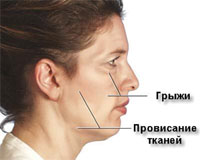 There is a belief that a facelift is the fate of “women over forty.” However, in some women, the first signs of skin aging can appear at an earlier age. Usually, this is due to an aggressive climate, an unhealthy lifestyle, a large number of stressful situations, or individual characteristics of the body. After the age of 30, many women have a reason to seek the services of a plastic surgeon. However, after a simple facelift, you will finally see the perfect reflection in the mirror.
A facelift performed by a professional doctor such as Dmitry Sloser will restore your youth and beauty. The price of the operation is indicated in the price list.
Facelift methods
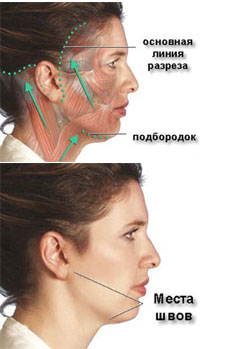 Dmitry Sloser is highly skilled in modern facelift techniques. For each patient, a qualified surgeon selects the optimal surgical technique to achieve the most effective result.
- Non-surgical thread lift with Aptos (also known as bio-reinforcement). This technique is suitable for young patients with subtle signs of aging, such as reduced skin elasticity and sagging tissue. The thinnest threads with notches fix the soft tissues, preventing further deformation of the face contour. The Aptos bio-thread implantation procedure is completely painless and has virtually no contraindications, and the results of thread lifting last up to two years.
- Endoscopic facelift is another gentle rejuvenation method. This surgical technique involves removing small excess skin on the face, which smoothes out shallow wrinkles on the forehead, bridge of the nose, and nasolabial area, and makes the oval of the face more defined. The main advantage of endoscopic facelift is that the operation is seamless, so no scars remain.
- S-shaped facelift can cope with more serious signs of aging, such as severe sagging of the face, deep wrinkles on the cheeks or nasolabial area, double chin, drooping eyelids. During the operation, excess fat is removed, and the connective tissue and facial muscles are tightened. This complex of procedures has a pronounced rejuvenating effect. According to some patients, such an operation “wipes” decades off the face.
- Circular face lift or SMAS lifting is an advanced surgical rejuvenation technology. During the operation, excess skin is removed and the facial muscles are tightened, which allows you to deal with several defects at once: deep wrinkles on the cheeks, sagging face, double chin. In addition, a circular lift gives a long-lasting result, with no need for repeat surgery for the next 7-10 years.
How the operation is performed
Plastic surgery for a facelift can be performed under local or general anesthesia, depending on the technique chosen. The operation lasts from 1 to 2 hours, except for a circular facelift, which may take a little longer. After complex procedures, such as a circular facelift, a fixing bandage is applied to the patient's face, which is removed after a few days.
Result of the operation
For several days after plastic surgery, the patient remains in the hospital under the supervision of a doctor (the exception is a fairly simple bioarmoring procedure). In complex surgical procedures, the stitches are removed on the 7th-10th day, after which the patient can return home. Swelling and bruising persist for up to two weeks, which is completely normal for any operation.
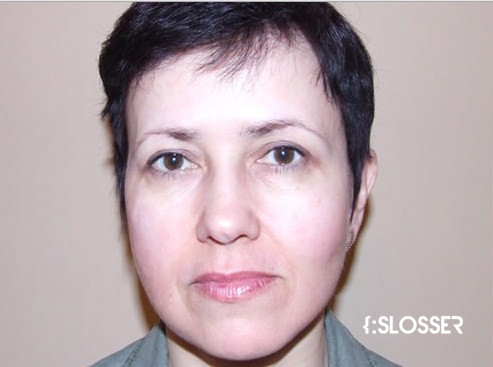
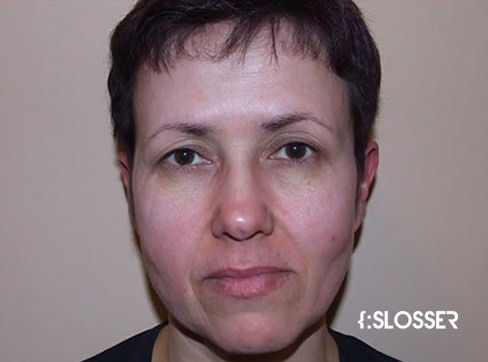
An objective assessment of the results of a facelift can be made after 4-6 months. By this time, the scars will have dissolved (they are usually hidden in the natural folds of the skin, behind the ears and at the hairline), and the facial tissues involved in the operation will have finally tightened. The result of a facelift is supple skin that looks much younger than the biological age of its owner.
What influences the outcome of the operation? One of the decisive factors is the individual characteristics of the body. The final result of the lift is also influenced by the “initial data.” A successful face lift also depends on the rejuvenation technique chosen, so you should not put off visiting a doctor until there are noticeable changes in your appearance, when serious correction of defects will be necessary.
Of course, the result of plastic surgery also depends on the skill of the surgeon. Qualified doctor Dmitry Vladimirovich Slosser has extensive experience in performing rejuvenating operations on the face, so you can safely entrust him with your most precious asset.

Honored Doctor of Ukraine, Head of the Plastic Surgery Center
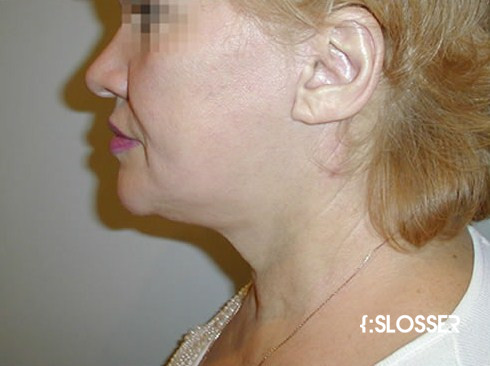
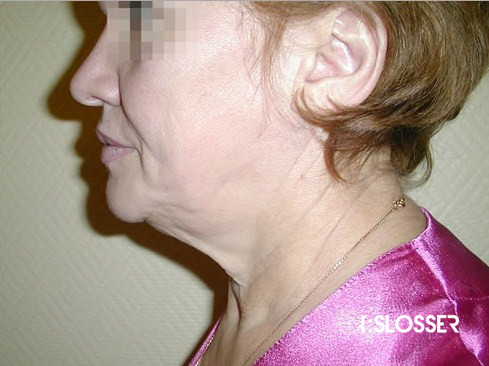
Before/After Gallery
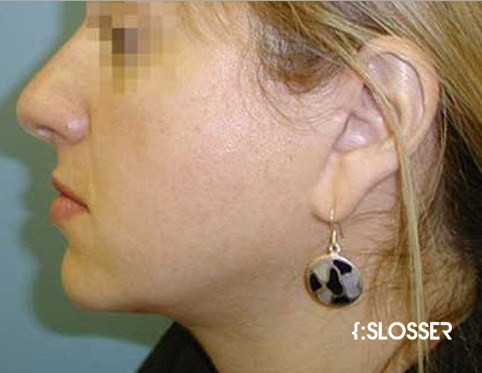
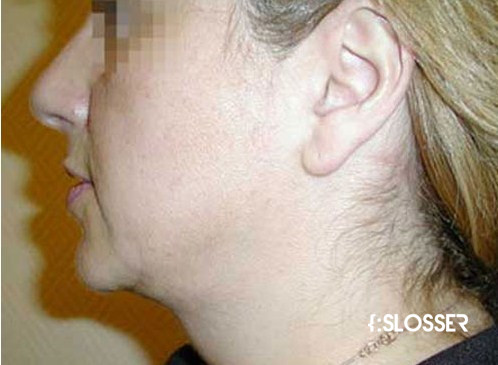
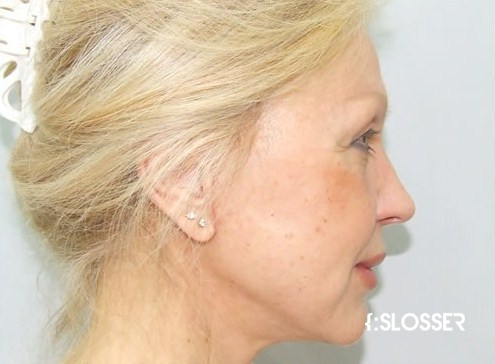
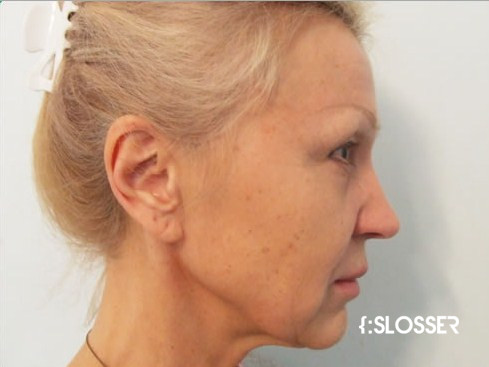
FAQ
In short, pain is manageable. Severe pain after surgery today is the exception rather than the norm. Modern anesthesia, pain management, and recovery protocols make the first days much easier than most patients expect. Most often, discomfort is felt as pressure or tightness. However, it is important to understand that complete absence of sensation is an unrealistic expectation. My position is clear: if a person is afraid of any discomfort, it is better to postpone surgery. The decision must be conscious and well considered.
No. Rehabilitation is part of the surgery, not a separate stage afterward. It is during the recovery period that the final result is formed, tissues stabilize, and the risk of complications decreases. Without proper rehabilitation, even a technically perfect operation may produce a weak outcome. There are procedures with an easier recovery (for example, “weekend lifts”), but surgery without rehabilitation does not exist.
The final result does not appear immediately. It develops gradually over time. Swelling, tissue firmness, and sensations change step by step. During the first weeks, the result is definitely not final, and this is completely normal. The timeline depends on the treated area, the extent of surgery, and individual characteristics of the body. Plastic surgery does not tolerate haste. A good result takes time.
It depends primarily on the type of work you do, not only on the surgery itself. After some procedures, it is possible to return to work within a few days (for example, after “weekend lifts”), while others require weeks of recovery. It is important to consider not only how you feel, but also the safety of the healing process. Returning to activity earlier than recommended increases the risk of complications. It is better to return later than to deal with the consequences of rushing.
Yes, scars always remain. This is part of the natural healing process. However, their appearance changes over time: they become lighter, softer, and less noticeable. Their location and proper care play a crucial role. Careful planning and patience are essential.
When the risks outweigh the benefits, or when the decision is driven by emotions. I refuse if I see that the body is not ready, expectations are unrealistic, or the person does not understand the recovery process. Refusal is also part of treatment. Safety is more important than any desire.
Yes, and it has a significant impact on the outcome. Honest answers, a list of questions, and a willingness to listen save time and help you make the right decision. A consultation is a diagnosis, not a sales pitch. A good consultation is half the success.

Calculate the cost of the operation: Face lifting
Leave your details and we will contact you for an accurate assessment of the operation
Materials on the topic
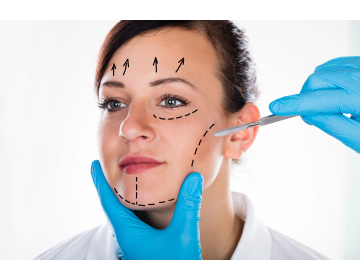
What is a Deep-Plane Facelift and How Does It Differ from a Classic Facelift?
The deep-plane facelift is a modern, technically demanding, but highly effective method of facial rejuvenation. It delivers natural results and significantly extends a youthful appearance. Unlike the classic facelift, it works with the fundamental structures of the face, restoring harmony without a “mask effect” and preserving natural expressions.
Regain your youth over the weekend: the benefits of a weekend facelift
The name “weekend facelift” comes from the short recovery period: for example, a patient can have the operation on Thursday, recover over the weekend, and return to work and their normal routine on Tuesday!