Correction of the chin shape – augmentation (reduction) is called mentoplasty. This type of plastic surgery is indicated in cases of congenital anomalies of the chin, age-related changes in the chin area, and chin injuries. Chin augmentation is considered the most popular and least traumatic procedure.
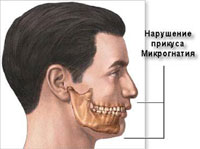
Preoperative examination and preparation are standard. Many plastic surgery clinics perform computer modeling of the future chin area. Contraindications to chin augmentation include hematological diseases and decompensated conditions of various organs and systems. At the clinic, the risks of chin plastic surgery are assessed during a consultation with a therapist and anesthesiologist after the results of the tests are processed.
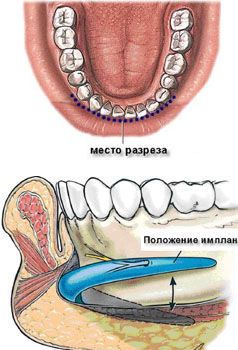
Depending on the type of surgery (chin augmentation or reduction), the plastic surgeon carefully plans the surgical procedure.
In reduction mentoplasty, excess bone mass is removed and part of it is moved backward. This type of surgery is quite traumatic and labor-intensive, so this type of mentoplasty is most often replaced by facelift.
Removal of the “double chin” is achieved by performing liposuction with skin tightening to restore its former tone. However, liposuction alone, without further measures aimed at weight loss, does not give long-lasting results.
Chin augmentation, as well as corrective options for surgery, are most often combined with the installation of implants. The most common types of implants in this case are silicone or cartilage. The operation requires general or local anesthesia and takes about an hour and a half. There are two types of access for chin augmentation:
1. An incision inside the mouth, located between the lip and teeth. This type of access leaves absolutely no traces and is recommended by Dr. Slosser when performing chin augmentation.
2. An incision through the skin in the lower part of the chin. This method of mentoplasty is less aesthetic, as it leaves traces on the skin.
The operation takes about an hour. After the operation, a compression bandage is applied to the face.
In many cases, the patient can be discharged in the first few days after chin augmentation. The bandage should be worn for another week, with visits to the clinic for dressing changes. Swelling and bruising in the soft tissue area may persist for up to a month, but the results of the mentoplasty should not be evaluated until three to four months after the procedure. After this period, all recovery processes in the chin area are complete, the swelling in the deep soft tissue area will finally subside, and the chin will take on its new, final shape.
The results of the operation are long-lasting. The procedure itself never causes complications, which is an undeniable advantage of chin plastic surgery.

Honored Doctor of Ukraine, Head of the Plastic Surgery Center
Prices
- Price, in uah
Before/After Gallery
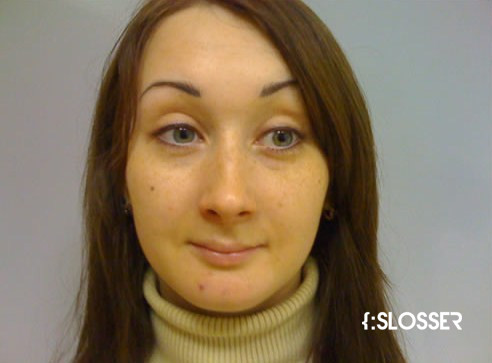
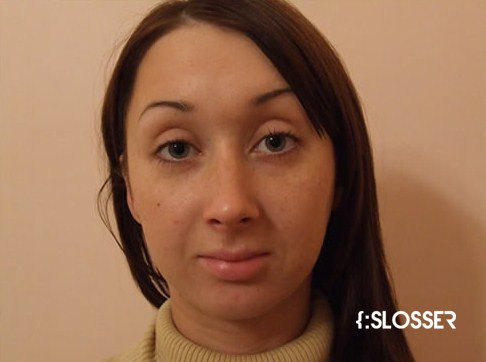
FAQ
In short, pain is manageable. Severe pain after surgery today is the exception rather than the norm. Modern anesthesia, pain management, and recovery protocols make the first days much easier than most patients expect. Most often, discomfort is felt as pressure or tightness. However, it is important to understand that complete absence of sensation is an unrealistic expectation. My position is clear: if a person is afraid of any discomfort, it is better to postpone surgery. The decision must be conscious and well considered.
No. Rehabilitation is part of the surgery, not a separate stage afterward. It is during the recovery period that the final result is formed, tissues stabilize, and the risk of complications decreases. Without proper rehabilitation, even a technically perfect operation may produce a weak outcome. There are procedures with an easier recovery (for example, “weekend lifts”), but surgery without rehabilitation does not exist.
The final result does not appear immediately. It develops gradually over time. Swelling, tissue firmness, and sensations change step by step. During the first weeks, the result is definitely not final, and this is completely normal. The timeline depends on the treated area, the extent of surgery, and individual characteristics of the body. Plastic surgery does not tolerate haste. A good result takes time.
It depends primarily on the type of work you do, not only on the surgery itself. After some procedures, it is possible to return to work within a few days (for example, after “weekend lifts”), while others require weeks of recovery. It is important to consider not only how you feel, but also the safety of the healing process. Returning to activity earlier than recommended increases the risk of complications. It is better to return later than to deal with the consequences of rushing.
Yes, scars always remain. This is part of the natural healing process. However, their appearance changes over time: they become lighter, softer, and less noticeable. Their location and proper care play a crucial role. Careful planning and patience are essential.
When the risks outweigh the benefits, or when the decision is driven by emotions. I refuse if I see that the body is not ready, expectations are unrealistic, or the person does not understand the recovery process. Refusal is also part of treatment. Safety is more important than any desire.
Yes, and it has a significant impact on the outcome. Honest answers, a list of questions, and a willingness to listen save time and help you make the right decision. A consultation is a diagnosis, not a sales pitch. A good consultation is half the success.

Calculate the cost of the operation: Increase, decrease and correction of the chin shape
Leave your details and we will contact you for an accurate assessment of the operation
Materials on the topic

tet
Пластика подбородка, или ментопластика, — это хирургическая процедура по изменению формы подбородка, увеличению с помощью имплантата или уменьшению подбородка.
Пластические операции часто выполняются на линии нижней челюсти и в области подбородка для улучшения пропорции лица, повышения уверенности человека в себе и его самооценки. Коррекция подбородка позволяет улучшить гармонию черт лица. Операция по коррекции подбородка может быть назначена в качестве дополнительной процедуры к другим операциям, таким как ринопластика, коррекция челюсти или имплантация щёк для пропорциональности внешнего вида.
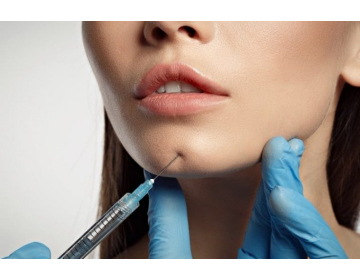
Применение филлеров для подбородка: что вы должны знать
Что такое филеры, которые используют для коррекции формы подбородка, и почему многие выбирают этот вариант вместо операции? Действительно ли это работает для пациентов со слабым подбородком? Кто может сделать себе инъекции филлеров? На эти и другие актуальные вопросы отвечает ведущий украинский пластический хирург Дмитрий Слоссер.