Mini-abdominoplasty is a type of plastic surgery primarily designed to remove excess fat from the lower abdomen and tighten excess skin that often remains after weight loss or pregnancy.
In this case, standard abdominoplasty surgery is not necessary.
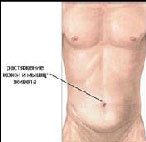
The standard technique for mini-abdominoplasty is to remove an elliptical area of skin and fat in the lower abdomen and strengthen the muscles of the anterior abdominal wall. Unlike the standard tummy tuck technique, the navel is not repositioned. Accordingly, there will be no scar around the navel. In addition, a distinctive feature of mini-abdominoplasty is the shorter length of the suture and the possibility of placing the suture much lower than the suture in standard abdominoplasty. We often see patients with sutures after a cesarean section. In such patients, we are able to place the incision line in the area of the old suture (which, of course, is excised). At the same time, the length of the scar does not change significantly.
If necessary, mini-abdominoplasty is accompanied by additional liposuction. The operation can be performed under local or general anesthesia.
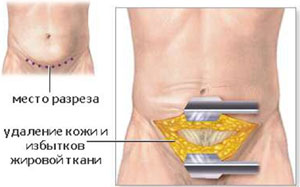
The duration of mini-abdominoplasty is from 1 to 2 hours. Dr. Sloser recommends a one-day hospital stay. The recovery period is relatively easy and takes one to two weeks. Therefore, this type of tummy tuck is considered a weekend procedure.

Honored Doctor of Ukraine, Head of the Plastic Surgery Center
FAQ
In short, pain is manageable. Severe pain after surgery today is the exception rather than the norm. Modern anesthesia, pain management, and recovery protocols make the first days much easier than most patients expect. Most often, discomfort is felt as pressure or tightness. However, it is important to understand that complete absence of sensation is an unrealistic expectation. My position is clear: if a person is afraid of any discomfort, it is better to postpone surgery. The decision must be conscious and well considered.
No. Rehabilitation is part of the surgery, not a separate stage afterward. It is during the recovery period that the final result is formed, tissues stabilize, and the risk of complications decreases. Without proper rehabilitation, even a technically perfect operation may produce a weak outcome. There are procedures with an easier recovery (for example, “weekend lifts”), but surgery without rehabilitation does not exist.
The final result does not appear immediately. It develops gradually over time. Swelling, tissue firmness, and sensations change step by step. During the first weeks, the result is definitely not final, and this is completely normal. The timeline depends on the treated area, the extent of surgery, and individual characteristics of the body. Plastic surgery does not tolerate haste. A good result takes time.
It depends primarily on the type of work you do, not only on the surgery itself. After some procedures, it is possible to return to work within a few days (for example, after “weekend lifts”), while others require weeks of recovery. It is important to consider not only how you feel, but also the safety of the healing process. Returning to activity earlier than recommended increases the risk of complications. It is better to return later than to deal with the consequences of rushing.
Yes, scars always remain. This is part of the natural healing process. However, their appearance changes over time: they become lighter, softer, and less noticeable. Their location and proper care play a crucial role. Careful planning and patience are essential.
When the risks outweigh the benefits, or when the decision is driven by emotions. I refuse if I see that the body is not ready, expectations are unrealistic, or the person does not understand the recovery process. Refusal is also part of treatment. Safety is more important than any desire.
Yes, and it has a significant impact on the outcome. Honest answers, a list of questions, and a willingness to listen save time and help you make the right decision. A consultation is a diagnosis, not a sales pitch. A good consultation is half the success.

Calculate the cost of the operation: Mini abdominoplasty
Leave your details and we will contact you for an accurate assessment of the operation
Materials on the topic

Why Ukrainians turn to plastic surgeons – a survey of Dmytro Slosser's audience
Last week, I conducted a brief survey among my followers on Instagram using the Stories feature. Each question received a different number of responses, but on average, approximately 400 respondents participated. The purpose of this survey was quite simple: to understand what motivates people to undergo cosmetic surgery today. The results confirmed my own observations.
Minimal Interventions: Which Plastic Surgeries Are Redefining Aesthetics in 2025
Modern aesthetic surgery shows us that beauty does not lie in drastic changes but in subtle refinements of a person’s appearance. In 2025, the main request sounds like this: “I want to look as if I’ve had a good rest, not as if I’ve had plastic surgery.”