Breast Reduction: When It Is a Medical Necessity, Not Just “Aesthetics”
 All articles
Patients often come to my consultations asking, “Should I have breast reduction surgery?” or “Is this just a cosmetic concern?” A physician’s answer must always begin with thorough diagnostic evaluation, because behind the phrase “very large breasts” there may be a wide range of issues — from genuine medical necessity to emotional or aesthetic discomfort.
In this article, I explain how we distinguish medical indications from purely aesthetic wishes, which symptoms truly justify surgical intervention, what to expect from the procedure, and which alternatives are available.
When Breast Reduction Is a Medical Indication
Reduction mammaplasty should be considered a medical treatment when large breasts negatively affect a patient’s health and quality of life. Key signs of medical necessity include persistent pain in the back, neck, or shoulders that does not resolve with posture correction or physical therapy; chronic skin irritation in the inframammary fold that responds poorly to treatment; limitations in physical activity and difficulty selecting properly supportive clothing and bras; and breathing difficulties or restricted range of motion related to breast weight.
Medical indications also include symptoms affecting psycho-emotional well-being, such as constant discomfort, feelings of shame, or social withdrawal caused by physical characteristics. When such symptoms are documented and clinically confirmed, breast reduction goes beyond “aesthetics” and becomes a form of therapeutic care.
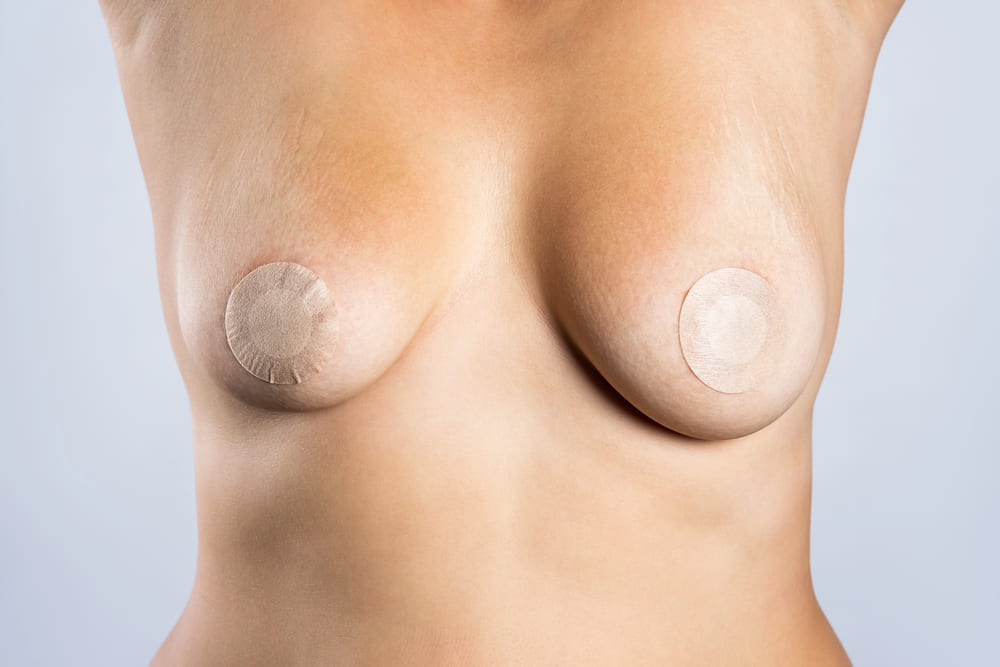
How We Evaluate the Patient: A Comprehensive Approach
The decision to proceed with surgery is never based solely on bra cup size. During consultation, the physician conducts a comprehensive assessment, beginning with a detailed medical history that includes analysis of complaints, symptom duration, and previous treatment attempts. This is followed by a physical examination evaluating breast mass and proportions, position, skin condition in the inframammary area, presence of irritation or inflammation, and postural features.
Objective measurements also play an important role, including the distance from the shoulder to the inframammary fold, body mass index, and the presence of comorbidities such as spinal disorders, rheumatologic, or endocrine conditions.
In addition, the plastic surgeon carefully assesses symptom dynamics: whether discomfort increases during physical activity, decreases with supportive garments, bandages, or physiotherapy, and whether breast size affects sleep quality, activity level, and everyday comfort.
This comprehensive approach allows for a balanced and informed decision regarding surgical appropriateness. Photographs and medical documentation are often used to objectively record baseline conditions.
It is essential for patients to have realistic expectations: surgery can significantly reduce breast mass and alleviate symptoms, but it does not “work miracles” — individual body characteristics remain.
Medical Contraindications and Risk Factors
Breast reduction is a major surgical procedure and has specific contraindications. Reasons for postponement or refusal include active inflammatory processes, uncontrolled diabetes, severe cardiovascular disease, coagulation disorders, significant psychiatric conditions, or unrealistic patient expectations.
Reproductive planning is also important. If a patient intends to become pregnant within the next six to twelve months, surgery is usually postponed, as pregnancy and lactation may alter surgical outcomes. Individual risk–benefit assessment is mandatory.
Expected Outcomes: Physical and Functional Benefits
The primary goal of breast reduction is to decrease breast mass sufficiently to relieve strain on the neck, shoulders, and spine, eliminate dermatological problems under the breasts, and restore comfort during movement.
In most patients, surgery significantly reduces or completely eliminates back and neck pain, enables more active participation in sports, improves posture, and enhances sleep quality. The psychological impact is also considerable, as self-esteem improves and attitudes toward one’s body and life often change.
It is important to understand that significant weight loss or major weight fluctuations after surgery may affect long-term results. Therefore, stable body weight prior to surgery is desirable.
Alternatives and Adjunctive Approaches
Not every case of large breasts requires surgical intervention. If the primary issue is muscular weakness, initial management may include physiotherapy, posture correction, specialized supportive garments, and ergonomic adjustments in clothing.
For moderate discomfort, medical bandages and sports bras can provide substantial relief. When the problem is largely related to overall body weight, weight management may be considered a primary step. However, in the presence of clear medical symptoms, these measures usually provide only partial relief and do not replace surgery.
Surgery, Rehabilitation, and Possible Complications
Surgical breast reduction is a complex procedure that should be performed in specialized facilities with careful anesthetic monitoring. Rehabilitation includes pain control, wound care, gradual return to activity over several weeks, use of compression garments, and regular follow-up visits.
Like any surgical intervention, reduction mammaplasty carries certain risks, including infection, hematoma, altered skin or nipple–areola complex sensitivity, asymmetry, scarring, and wound-healing problems. All of these issues must be discussed in detail with the patient during preoperative consultations.
Conclusion
Breast reduction can be far more than a purely “aesthetic” procedure; it may represent essential medical treatment when large breasts cause chronic pain, dermatological complications, or significantly impair quality of life.
Careful diagnostic evaluation, well-documented medical history, and an individualized approach allow physicians to distinguish cases requiring surgery from those better managed conservatively. As a plastic surgeon, I always emphasize safety and informed decision-making: the choice to undergo surgery should be well-founded, balanced, and made with a full understanding of all aspects of the procedure.

Honored Doctor of Ukraine, Head of the Plastic Surgery Center
Contact me
Plastic surgeon
Ukraine, Kyiv, Shchekavytska St., 9a
(Clinic "Nove Tilo")