A Child Feels Self-Conscious About Protruding Ears at School: What Can Be Done?
 All articles
Protruding ears can affect a child’s self-confidence, particularly at school, where differences in appearance may become a source of teasing or comparison. If a child feels self-conscious about their ears, it is important to take their concerns seriously while explaining the available options for correction. One option, when medically appropriate, is otoplasty, a surgical procedure that changes the shape and position of the ears.
What Are Protruding Ears?
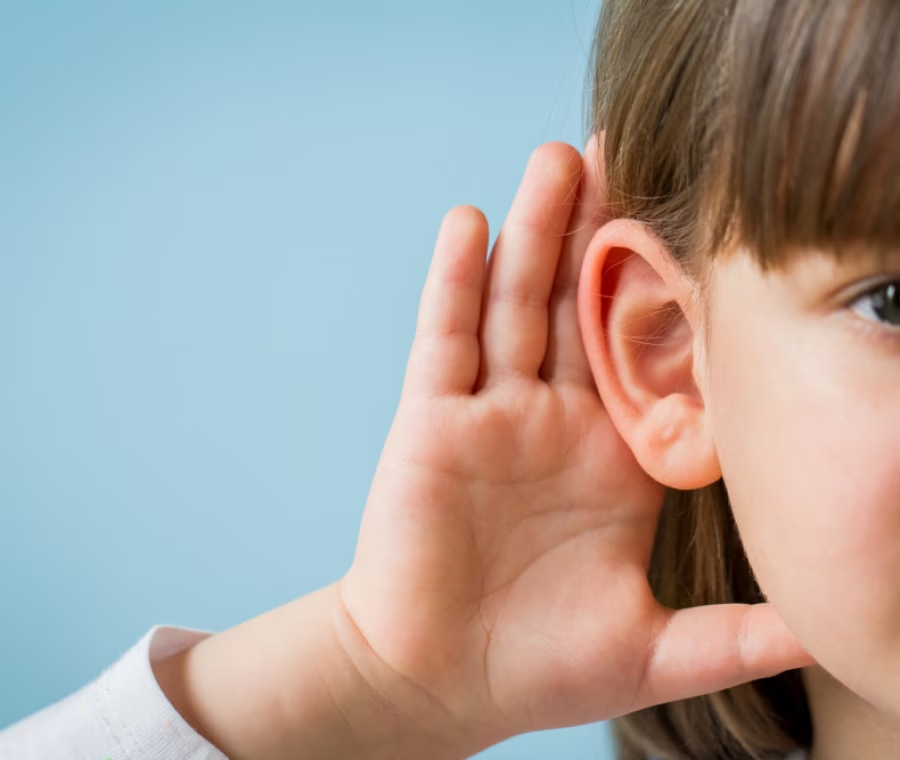
Protruding ears, also known as prominent ears, are a structural variation in which the ears project noticeably away from the head. This is usually associated with an underdeveloped antihelical fold, an overly deep conchal bowl, or a combination of these anatomical features.
Prominent ears may affect one or both sides and develop as the ear cartilage forms. The condition often runs in families. However, prominent ears do not mean that a child has impaired hearing: this variation in the external shape of the ears does not usually affect hearing on its own.
It is important to understand that prominent ears are not a medical condition that necessarily requires treatment. The decision to correct them depends on the child’s anatomy, age, feelings about their appearance, and readiness for surgery.
Why Do Children Feel Self-Conscious About Protruding Ears?
Children in the early years of school can be particularly sensitive to how their peers perceive them. Comments about their appearance, nicknames, unwanted attention when being photographed, and teasing can cause embarrassment, anxiety, and reluctance to interact with others.
However, not every child with prominent ears feels unhappy about their appearance. Some accept this feature without concern, while others begin to feel self-conscious after specific comments at school.
Parents should pay attention if a child:
- Constantly covers their ears with their hair, a hat, or their hands, even when it is unnecessary.
- Refuses to be photographed, go to school, or take part in group activities because of their appearance.
- Frequently says they are unattractive or reacts strongly when their ears are mentioned.
These signs do not necessarily mean that a child needs surgery. The first step is to understand what is troubling them, whether they are experiencing difficulties with their peers, and how much the situation affects their everyday life.
Parents should avoid telling a child that they are “making a fuss over nothing” or insisting that appearance does not matter. Instead, they should listen without judgement, offer reassurance, and discuss possible solutions. If the child is being repeatedly teased or bullied, parents should address the situation with the school and seek help from a child psychologist if necessary.
How Can Protruding Ears Be Corrected?
The appropriate method of correction depends primarily on the child’s age and the development of the ear cartilage.
In newborns and young infants, the ear cartilage is still relatively soft. Under certain circumstances, specially designed ear-moulding systems can be used to gradually reshape the ears without surgery. The best results are generally achieved in the first weeks of life, when the cartilage is most pliable. A doctor can determine whether this approach is appropriate.
As children grow older, including those of school age, the cartilage becomes firmer. Ear-moulding systems are therefore less effective, and attempts to hold the ears closer to the head using bandages, adhesive tape, or other home remedies do not provide reliable, lasting correction.
For older children, otoplasty is the main surgical option for long-term correction of prominent ears. During this procedure, the surgeon reshapes the cartilage and, if necessary, adjusts its position so that the ears sit more naturally against the head. The specific technique depends on the anatomy of the ears.
The aim of surgery is not to make the ears perfectly identical or give them a standardised appearance. Rather, it is to address the feature that concerns the child while preserving the natural shape of the ears.
At What Age Can a Child Have Otoplasty?
Otoplasty is generally considered from around five to six years of age, when the ears have developed sufficiently. This is often before a child starts school, when differences in appearance may begin to attract unwanted attention from peers.
However, age alone is not enough to determine whether surgery is appropriate. A plastic surgeon assesses the development of the ear cartilage, the degree of protrusion, the child’s general health, and the likelihood of achieving the desired result.
Psychological readiness is equally important. A child should understand that the purpose of surgery is to change the shape of their ears, not to meet other people’s expectations. If only the parents want the operation and the child does not feel the need for correction, there is no reason to rush the decision.
For older school-age children, the decision should be discussed directly with them, taking their own expectations into account. Surgery should not be used as a punishment for a perceived physical difference or as a way to resolve conflicts without addressing their underlying causes.
Otoplasty in Children: Comparing Correction Methods
|
Criterion |
Ear Moulding in Infants |
Otoplasty in Children and Adolescents |
|
Suitable for |
Newborns and young infants in the first weeks or months of life, when indicated |
Primarily children aged five to six and older, as well as adults |
|
How it works |
Special ear-moulding devices gradually reshape the ears |
The shape and position of the ear cartilage are surgically adjusted |
|
Does it require surgery? |
No |
Yes |
|
Anaesthesia |
Usually not required |
Local or general anaesthesia, depending on the child’s age, the extent of the procedure, and other circumstances |
|
Expected result |
Depends on when treatment begins and the characteristics of the cartilage |
Long-lasting changes to the shape and position of the ears |
|
Main limitation |
Effectiveness decreases as the cartilage becomes firmer |
Requires recovery and carries risks, as does any operation |
Choosing a method involves more than comparing cost or treatment duration. For infants, starting treatment early is crucial. For school-age children, the main considerations are whether surgery is indicated, its safety, and whether expectations are realistic.
How Is Otoplasty Performed?
Otoplasty is planned following a consultation with a plastic surgeon. During the examination, the surgeon assesses the shape of the ears, the degree of protrusion, symmetry, and the condition of the cartilage. They also discuss the child’s and parents’ expectations for the procedure.
Before surgery, the child undergoes any necessary assessments based on their age, general health, and the clinic’s requirements. An anaesthetist evaluates the potential risks of anaesthesia and determines the most appropriate approach.
In most cases, otoplasty takes approximately one to two hours. The procedure is usually performed through an incision behind the ear. Once healed, the scar is generally inconspicuous.
The surgeon reshapes the cartilage, creates or enhances the natural folds of the ear, and uses sutures to hold it in the desired position. Other techniques may be used when necessary, including removing a small amount of cartilage. The choice of technique depends on the individual anatomy of the ear.
In children, the procedure is often performed under general anaesthesia, although local anaesthesia may be appropriate in certain cases. The decision is made individually, taking into account the child’s age, ability to cooperate with the surgeon, and the complexity of the correction.
After surgery, a dressing is applied to protect the ears and help maintain their position. In some cases, the child may subsequently need to wear a specialised dressing or an elastic headband, particularly while sleeping.
Recovery After Otoplasty
During the first few days after surgery, the child may experience pain, swelling, bruising, and increased sensitivity around the ears. These symptoms usually gradually subside. The severity and duration of recovery depend on the extent of the correction and the child’s individual characteristics.
The main recommendations after surgery are to:
- Wear the dressing as directed by the surgeon.
- Avoid putting pressure on the ears, rubbing them, or sleeping in a position that could injure the operated area.
- Temporarily avoid active play, sports, and other activities that could result in an impact to the ears.
- Attend follow-up appointments and follow the instructions for wound care.
Many children can return to school after approximately one to two weeks, provided they feel well enough. Physical exercise, swimming, and contact sports are restricted for longer. The surgeon will determine the appropriate timeframe based on how healing progresses.
The final shape of the ears is assessed once the swelling has subsided and the tissues have healed. It is too early to judge the result in the first few days, when the ears may appear swollen or sit closer to the head than expected.
What Are the Risks of Otoplasty?
Otoplasty is generally well tolerated by children, but it is not without risks. Before making a decision, parents should discuss potential complications with the surgeon, including the possibility of needing further correction.
Potential risks include:
- Bleeding or the formation of a haematoma.
- Infection and inflammation of the cartilage.
- Noticeable scarring, irregularities, or changes in skin sensation.
- Asymmetry between the ears.
- Sutures becoming exposed or the ear returning to a more prominent position.
- Dissatisfaction with the cosmetic result and the need for revision surgery.
- Complications related to anaesthesia.
Perfect symmetry cannot always be achieved, as the ears may differ in shape even before surgery. It is also important to understand that correcting the ears changes their appearance but does not guarantee that all psychological difficulties related to self-esteem or relationships with peers will disappear.
If pain worsens after surgery, swelling increases rapidly, marked redness or wound discharge develops, or the child develops a fever, parents should contact the surgeon promptly.
Frequently Asked Questions About Otoplasty in Children
Can protruding ears be corrected without surgery in a school-age child?
Once the ear cartilage has developed and become firm, adhesive tape, bandages, and home methods of holding the ears closer to the head do not provide reliable, long-lasting results. At this age, otoplasty is the main option when correction is indicated. Non-surgical ear moulding is most effective during the first weeks of life, while the cartilage remains soft.
Is otoplasty painful for a child?
Anaesthesia is used during surgery, so the child should not feel pain during the procedure. Once the anaesthetic wears off, some discomfort, swelling, and ear tenderness may occur. If necessary, the doctor will prescribe pain relief appropriate for the child’s age and condition.
Will there be scars after surgery?
Yes. Otoplasty leaves a scar, usually behind the ear. Because of its location, it is generally inconspicuous. Its appearance depends on the healing process and the individual tendency to develop prominent scars.
Can the ears become prominent again after otoplasty?
Yes. In some cases, the ears may partially return to their previous position. This can be related to the characteristics of the cartilage, tissue tension, or sutures that shift or become exposed. Revision surgery may occasionally be necessary. Following postoperative instructions helps reduce the risk of unwanted changes.
Does otoplasty affect hearing?
Otoplasty corrects the shape and position of the external ear and is not intended to treat hearing disorders. In the absence of other ear conditions, the operation should not impair hearing. If a child has hearing concerns, these should be assessed separately.
Can otoplasty be performed on only one ear?
Yes. If only one ear protrudes, or if the difference between the ears is more pronounced on one side, the surgeon may consider unilateral correction. However, both ears should be assessed during surgical planning, as their natural asymmetry may influence the choice of technique and the expected result.
When can a child return to school and sports?
Children can generally return to school after approximately one to two weeks if recovery is uncomplicated. Active sports, swimming, and contact activities must be avoided for longer. The surgeon will determine when the child can safely resume physical activity after examining the ears.
Is surgery advisable if the child has not asked for it?
If the child is not bothered by the shape of their ears, parents should not insist on surgery solely because they are worried about possible teasing in the future. If the child is distressed by their appearance, it is worth discussing their wishes calmly, consulting a plastic surgeon, and weighing the benefits and risks. The decision should take into account the child’s own views, readiness for surgery, and ability to follow postoperative recommendations.

Honored Doctor of Ukraine, Head of the Plastic Surgery Center
Contact me
Plastic surgeon
Ukraine, Kyiv, Shchekavytska St., 9a
(Clinic "Nove Tilo")