Smooth Postoperative Recovery: What It Really Depends On
 All articles
Smooth postoperative recovery is never a matter of chance. In my clinical practice, I consistently see that fast, well-controlled, and relatively comfortable recovery is not “luck,” but the result of a systematic approach that begins long before surgery and continues well afterward.
Modern medicine has long moved away from the notion that recovery simply means “enduring and waiting.” Today, the foundation is the ERAS (Enhanced Recovery After Surgery) concept, which has proven that proper preparation, tissue-sparing surgical techniques, and strict adherence to postoperative recommendations significantly reduce complications and improve patients’ overall well-being.
What Doctors Mean by “Smooth Recovery”
This does not imply the complete absence of pain or swelling, as these accompany any surgical procedure. A smooth recovery means that pain is well controlled, swelling is predictable, and the patient is able to return relatively quickly to normal physical activity and everyday life without serious complications.
Three key factors determine this process: the patient’s preoperative health status, how the surgery and anesthesia are performed, and the patient’s behavior after the operation.
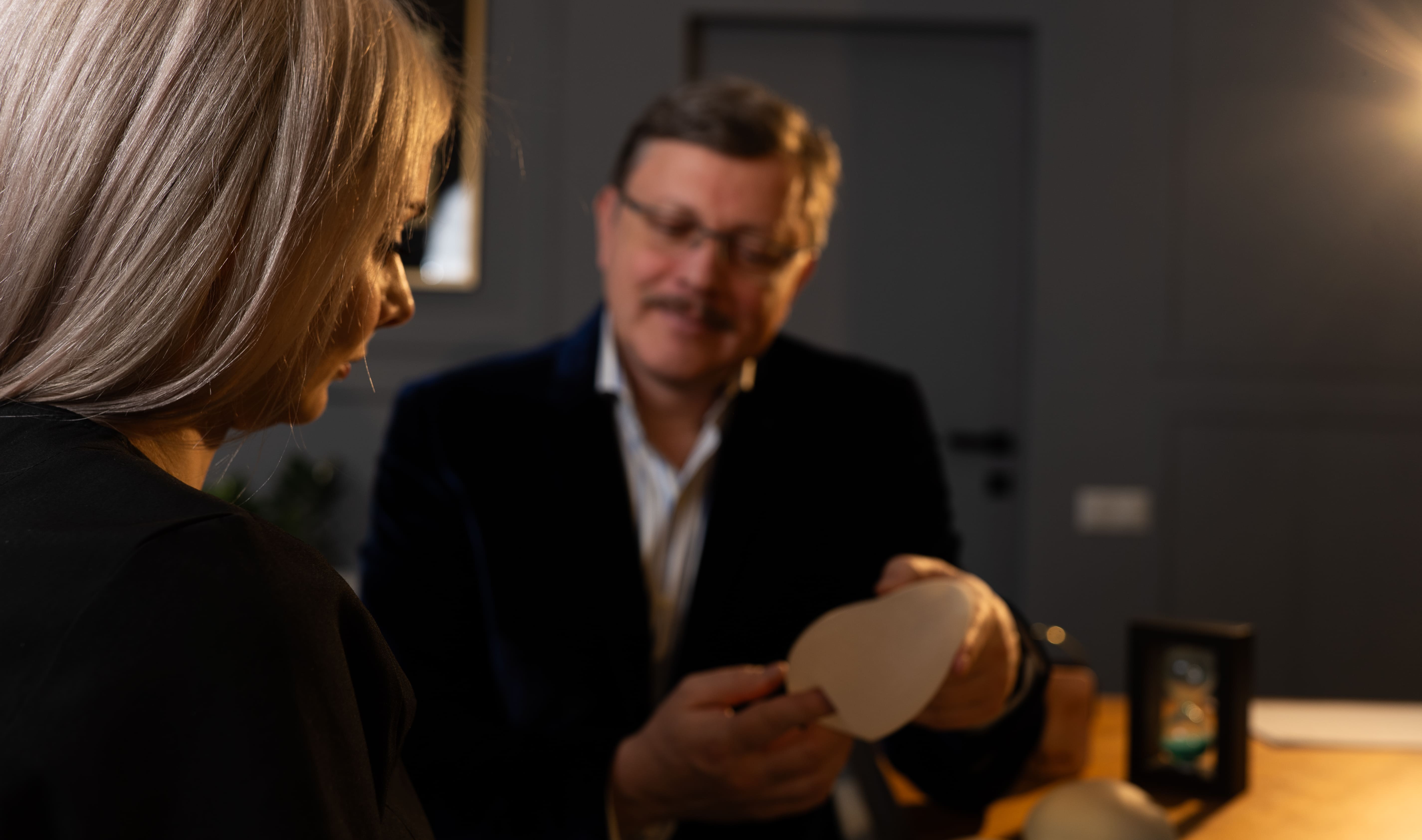
A Closer Look at What Influences Recovery
Preoperative health plays a fundamental role. Excessively high or low blood pressure, diabetes, cardiovascular disease, or coagulation disorders can significantly complicate wound healing and increase the risk of infection.
Nutrition is equally important. Excess body weight, protein or micronutrient deficiencies, and other nutritional imbalances markedly impair tissue regeneration. Patients who undergo surgery in a depleted state or after restrictive diets recover much more slowly. Even a few weeks of targeted nutritional correction can meaningfully improve the healing process.
Smoking and alcohol use deserve separate attention. Smoking disrupts microcirculation, increases the risk of tissue necrosis, infection, and poor scar formation—factors that are particularly critical in plastic surgery. Quitting smoking at least 4–8 weeks before surgery significantly improves outcomes. Alcohol consumption, in turn, raises the risk of bleeding as well as cardiac and hepatic complications.
Physical fitness also plays an important role. Patients with better endurance, even without an athletic build, tolerate anesthesia more easily, begin mobilizing sooner, and have a lower risk of thrombotic events. This is why prehabilitation (prehab)—preoperative conditioning of the body—is increasingly emphasized worldwide.
The psychological aspect should not be overlooked. Patients who understand what will happen to them and what stages of recovery to expect cope with rehabilitation much more effectively. Being well informed reduces anxiety and, along with it, the subjective perception of pain.
The Role of an Experienced Plastic Surgeon and Medical Team
Even a perfectly prepared patient will not experience a smooth recovery without a modern, thoughtful approach from the medical team. Today, this includes tissue-sparing surgical techniques, minimizing trauma as much as possible, up-to-date anesthesia, and effective pain management.
Pain control is one of the key determinants of a normal recovery course. Well-managed pain allows patients to move earlier, restore sleep more quickly, and reduces the risk of developing chronic postoperative pain. The goal is not to “endure the pain,” but to allow the body to recover without excessive stress.
What Ultimately Determines Postoperative Recovery
After surgery, it is not heroism or endurance that matters most, but appropriate patient behavior. Movement and walking within the limits prescribed by the physician reduce the risk of thrombosis, improve lung function, and accelerate lymphatic drainage.
Balanced nutrition and adequate hydration are equally crucial. The body requires energy and sufficient protein to heal. Prolonged fasting after surgery is no longer considered beneficial and is reserved only for strict medical indications.
Proper wound care, adherence to recommendations regarding compression garments, physical restrictions, and daily regimen are also critical. Ignoring these guidelines often leads to hematomas, seromas, and prolonged recovery.
Smooth postoperative recovery is not a fortunate coincidence. It is the result of effective collaboration between physician and patient, advances in modern medicine, and the patient’s responsible attitude toward their own body.

Honored Doctor of Ukraine, Head of the Plastic Surgery Center
Contact me
Plastic surgeon
Ukraine, Kyiv, Shchekavytska St., 9a
(Clinic "Nove Tilo")