Abdominoplasty – body lifting
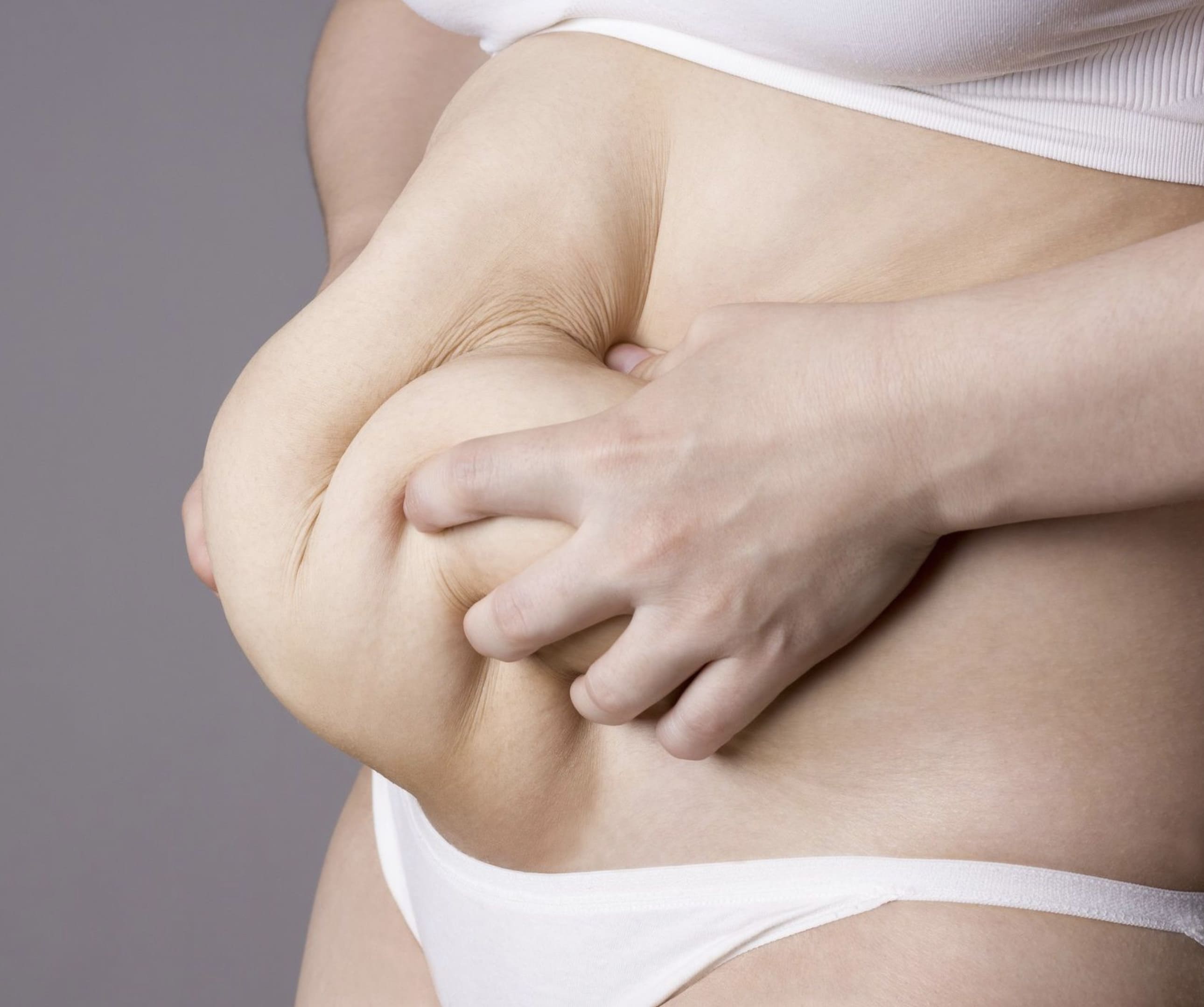
This is a plastic surgery procedure for circular body lifting, which includes a set of measures to restore the shape of the torso. As a rule, this operation is performed on people after significant weight loss (more than 30 kg) and multiple pregnancies. In such cases, there is a significant excess of skin and loss of its tone.
Who is an ideal candidate for abdominoplasty?
- People with significant excess skin in one or more areas of the torso;
- Patients who have realistic expectations about the results that can be achieved and are committed to a positive outcome;
- People who have lost weight and have maintained their weight for at least 3 months;
- People who lead a healthy lifestyle, eat a balanced diet, and, if they have any underlying medical conditions, are treating them;
- People who do not smoke.
What does abdominoplasty include?
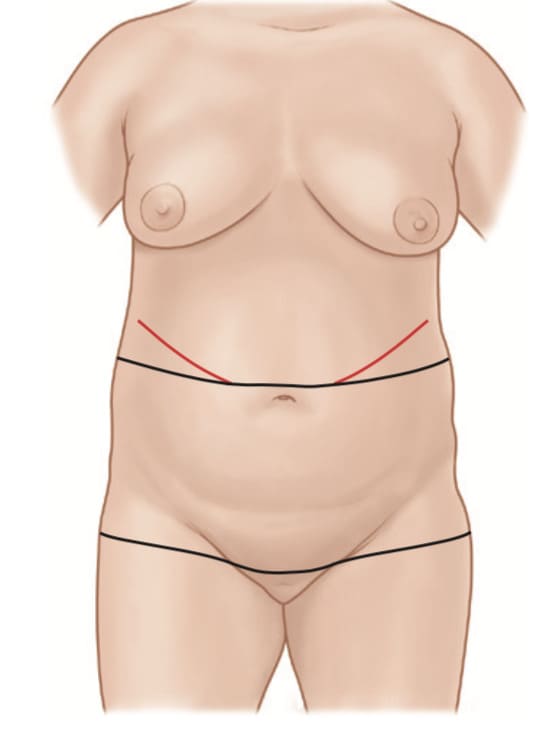
Abdominoplasty involves surgical intervention in several areas of the torso. Depending on the indications and the patient's wishes, the following areas can be corrected: the anterior abdominal wall, the waist, the hips, and in some cases the buttocks.
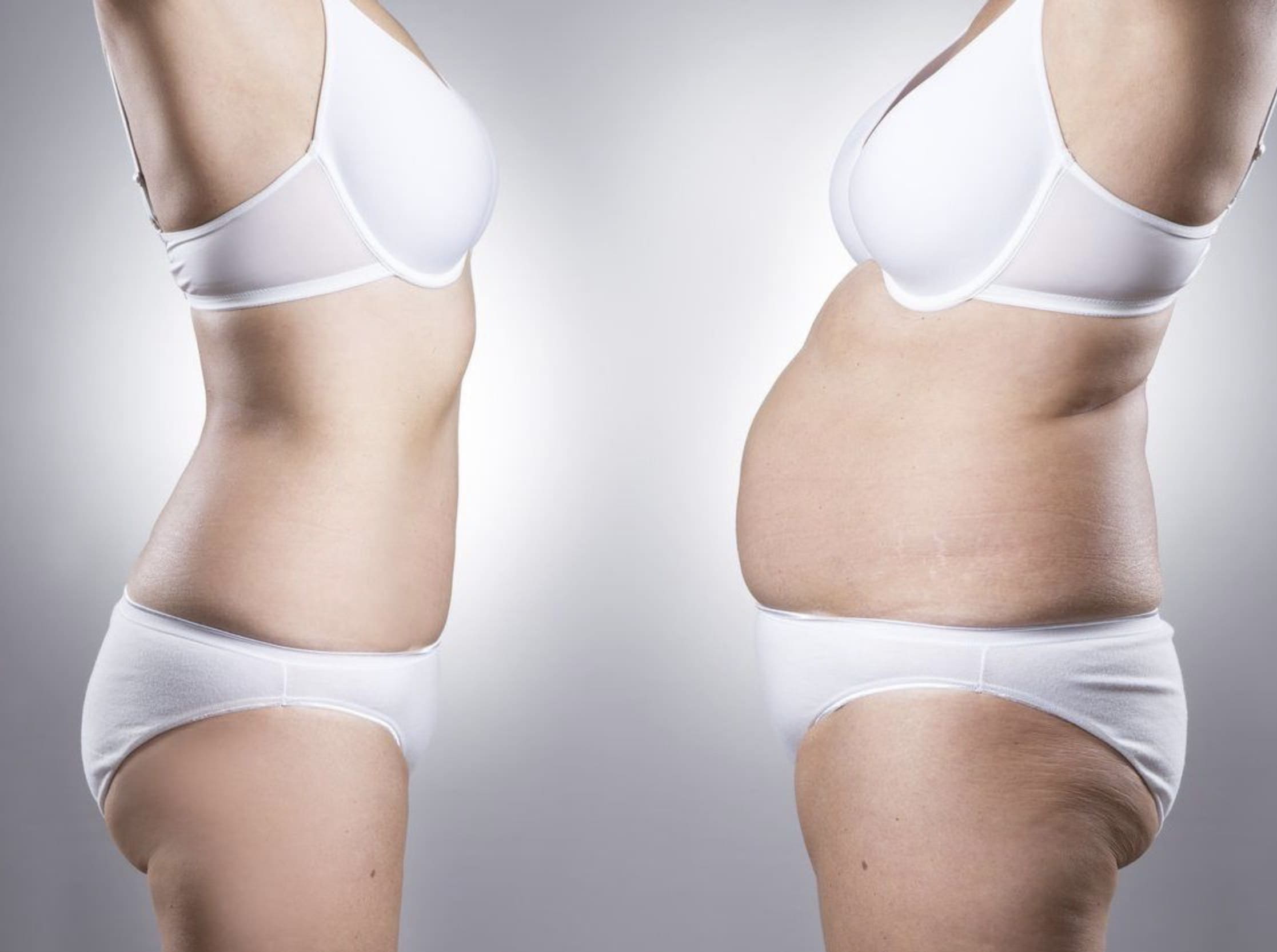
It is important to understand that this type of plastic surgery is not performed on people who are obese and want to get rid of excess subcutaneous fat and skin. The operation is only performed on patients who have lost a significant amount of weight and achieved their optimal body weight. However, as a result of weight loss, significant skin sagging and residual subcutaneous fat tissue in problem areas have appeared. Patients should also be aware that in order to achieve long-lasting results, they must maintain a stable body weight and follow a healthy lifestyle.
The following complaints are indications for surgery:
- Excess skin in one or more areas of the torso;
- Sagging skin in the form of an apron
- Loss of skin elasticity;
- Diastasis (separation) of the muscles of the anterior abdominal wall;
- Discomfort associated with constant irritation and maceration of the skin
Contraindications to circular body lift:
Relative contraindications to surgery include pregnancy, the presence of concomitant chronic diseases in decompensated phases, or acute inflammatory processes, for example:
- Diabetes mellitus
- Autoimmune diseases
- Infectious diseases
- Cardiovascular pathologies
After the elimination of inflammatory processes or the compensation of chronic diseases, surgical intervention is not prohibited.
Absolute contraindications are acute diseases of the body or chronic pathologies, the presence of which may affect the outcome of the operation or have negative consequences for the patient's health and even lead to death.
- Myocardial infarction
- Stroke
Preparation for abdominoplasty
After consulting with Dr. Slosser and making a decision, you will undergo laboratory and instrumental diagnostics. In some cases, consultation with other specialists (e.g., cardiologist, gynecologist, endocrinologist, general surgeon, etc.) may also be required. Based on the results of the examinations and the conclusions of the specialists, you will consult with an anesthesiologist and obtain permission for the operation.
Two weeks before the operation, we also recommend that you stop taking any medications that affect blood clotting and refrain from smoking or reduce the number of cigarettes you smoke.
How the surgery is performed
Abdominoplasty is performed under general anesthesia. Dr. Sloser removes excess skin and fat in the previously planned area. If necessary, the diastasis of the anterior abdominal wall muscles is corrected. After that, the tissues are remodeled and the desired body shape is created. The surgery ends with the installation of drains and the layered closure of the wound with cosmetic sutures.
In some cases, it can be combined with other surgical procedures.
Most often, a circular body lift is combined with:
- Brachial plasty
- Breast reduction
- Breast lift
- Thigh or buttock lift
- Hernia repair
- Cholecystectomy
Rehabilitation
After surgery, we recommend staying in the plastic surgery clinic for 2-3 days. If necessary or if you wish, your stay can be extended. It is advisable that you remain in Kyiv for follow-up examinations by the plastic surgeon. Immediately after the surgery, you will be in the intensive care unit, where your condition will be closely monitored. After a while, you will be transferred to your own room, where you will stay until the morning. The next day, you will be examined by the surgeon and the wound will be cleaned. On the 2nd-3rd day, you will be discharged for outpatient treatment. Immediately before discharge, you will receive recommendations for wound care and drainage, a list of necessary medications, and information about the time of your next examination. We do not recommend driving in the first few days after surgery, so please take this into account before the operation. In the first 5-7 days after surgery, pain and bloody discharge may occur for up to 5 days. There will also be swelling and bruising, which will disappear completely within 1-2 months. One day after abdominoplasty, you will not be restricted in your movement and can take a shower. Full rehabilitation takes 1-2 months. Physical activity is allowed 2 months after a circular body lift, initially with certain restrictions and a gradual increase in activity.
Complications
Seroma - limited accumulation of fluid (lymph or serous exudate) in the area of the operation. To prevent this complication during the operation, the surgeon establishes drainage, and in the postoperative period, the patient wears compression garments.
Treatment: Puncture under ultrasound guidance;
Partial necrosis of the skin flap - Occurrence depends on the volume of tissue removed, skin tension that arose in the postoperative period, concomitant diseases, smoking, etc.
Treatment: consists of removing non-viable tissue, wound cleansing, and subsequent correction
Hematoma - accumulation of blood in the postoperative area. Occurs as a result of inadequate hemostasis (stopping bleeding), use of drugs that affect the blood coagulation system, excessive physical activity in the early postoperative period
Treatment: Use of hemostatic drugs, evacuation of hematoma by puncture under ultrasound guidance or surgical arrest in case of active bleeding.
Wound infection: occurs in the event of the addition of an infectious agent and a decrease in the body's resistance.
Treatment: wound cleansing, use of drugs that affect infectious agents.
Frequently asked questions
How long will the results last after surgery?
Your results will be long-lasting if you maintain a stable body weight. However, with normal aging, some changes may occur that may require additional plastic surgery.
Where will the scars be located after this procedure?
The location of the incision is decided individually, based on the extent of the intervention. We try to locate the scars so that they are covered by underwear in the future.
Can this intervention be combined with other operations?
Yes, we often combine abdominoplasty with body contouring procedures. This is called simultaneous surgery. It is also possible to perform endoscopic removal of the gallbladder and plastic surgery at the same time. Considering the longer anesthesia and postoperative risks, such operations are recommended to be performed in large hospitals that have intensive care units and the highest accreditation category.
Honored Doctor of Ukraine, Head of the Plastic Surgery Center
Prices
- Price, in uah
FAQ
In short, pain is manageable. Severe pain after surgery today is the exception rather than the norm. Modern anesthesia, pain management, and recovery protocols make the first days much easier than most patients expect. Most often, discomfort is felt as pressure or tightness. However, it is important to understand that complete absence of sensation is an unrealistic expectation. My position is clear: if a person is afraid of any discomfort, it is better to postpone surgery. The decision must be conscious and well considered.
No. Rehabilitation is part of the surgery, not a separate stage afterward. It is during the recovery period that the final result is formed, tissues stabilize, and the risk of complications decreases. Without proper rehabilitation, even a technically perfect operation may produce a weak outcome. There are procedures with an easier recovery (for example, “weekend lifts”), but surgery without rehabilitation does not exist.
The final result does not appear immediately. It develops gradually over time. Swelling, tissue firmness, and sensations change step by step. During the first weeks, the result is definitely not final, and this is completely normal. The timeline depends on the treated area, the extent of surgery, and individual characteristics of the body. Plastic surgery does not tolerate haste. A good result takes time.
It depends primarily on the type of work you do, not only on the surgery itself. After some procedures, it is possible to return to work within a few days (for example, after “weekend lifts”), while others require weeks of recovery. It is important to consider not only how you feel, but also the safety of the healing process. Returning to activity earlier than recommended increases the risk of complications. It is better to return later than to deal with the consequences of rushing.
Yes, scars always remain. This is part of the natural healing process. However, their appearance changes over time: they become lighter, softer, and less noticeable. Their location and proper care play a crucial role. Careful planning and patience are essential.
When the risks outweigh the benefits, or when the decision is driven by emotions. I refuse if I see that the body is not ready, expectations are unrealistic, or the person does not understand the recovery process. Refusal is also part of treatment. Safety is more important than any desire.
Yes, and it has a significant impact on the outcome. Honest answers, a list of questions, and a willingness to listen save time and help you make the right decision. A consultation is a diagnosis, not a sales pitch. A good consultation is half the success.

Calculate the cost of the operation: Abdominoplasty-circular body lift
Leave your details and we will contact you for an accurate assessment of the operation
Materials on the topic

Why Ukrainians turn to plastic surgeons – a survey of Dmytro Slosser's audience
Last week, I conducted a brief survey among my followers on Instagram using the Stories feature. Each question received a different number of responses, but on average, approximately 400 respondents participated. The purpose of this survey was quite simple: to understand what motivates people to undergo cosmetic surgery today. The results confirmed my own observations.
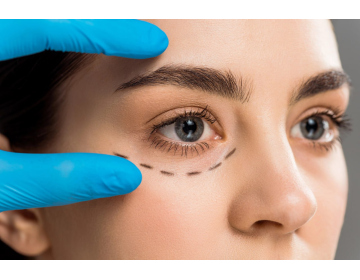
Natural plastic surgery
Современная пластическая хирургия меняется и совершенствуется: сегодня пациенты все чаще ищут натуральный подход к коррекции внешности. Они стремятся не к радикальным изменениям, а к тонкому усовершенствованию, которое подчеркивает их индивидуальность. Это касается популярных пластических операций, таких как ринопластика, маммопластика и подтяжка лица.