Wearing Compression Garments After Plastic Surgery: Tips for Choosing and Caring for Them in Cold Weather
 All articles
After plastic surgery, it is important not only to follow your plastic surgeon's recommendations but also to take proper care of the treated area. Compression garments are an important part of recovery after many plastic surgery procedures. They help manage swelling, support the tissues and apply even pressure to the operated area. During the colder months, choosing and wearing these garments requires additional attention due to temperature changes, layered clothing and dry indoor air.
What Are Compression Garments and What Are They Used For?
Compression garments are specially designed medical garments that apply controlled pressure to specific areas of the body after plastic surgery. Unlike regular clothing, they are made from elastic materials with specific stretch and support properties.
Their primary purpose is to provide consistent support to the tissues, limit excessive fluid accumulation and help reduce postoperative swelling. Compression may also help maintain body contours while the tissues heal.
Compression garments are commonly used after various plastic surgery procedures, including:
· Abdominoplasty. A specialised abdominal binder or compression garment supports the abdominal wall and helps manage swelling.
· Liposuction. Compression garments apply even pressure to the treated areas and help the tissues adapt to their new contours.
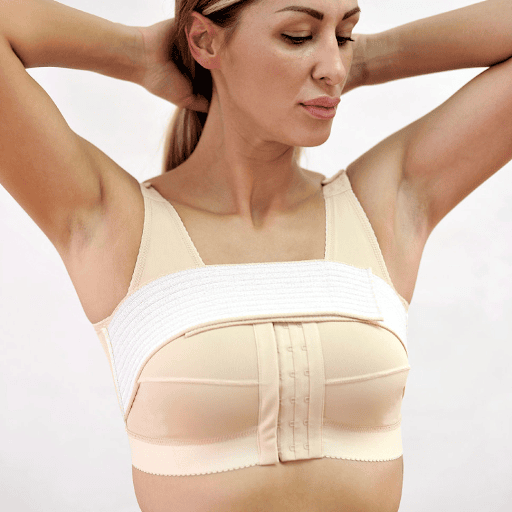
· Breast surgery. Following breast augmentation and certain other breast procedures, patients may be prescribed a specialised surgical bra that provides the required level of support.
· Body and thigh lifts. Compression garments help support the tissues and manage swelling in the treated areas.
It is important to understand that compression garments are not required after every plastic surgery procedure. The type of garment, level of compression and duration of use are determined by the surgeon based on the extent of the procedure, the healing process and the patient's individual condition.
How to Choose the Right Compression Garment
A properly fitted garment should correspond to the anatomical area treated during surgery and provide the level of compression recommended by the surgeon. Choosing one based solely on your regular clothing size or personal preference is not sufficient.
Several factors should be considered when selecting a compression garment.
Size and compression level. The garment should fit snugly without applying excessive pressure. Too much compression may impair local circulation, cause pain, chafing and skin damage. Conversely, a garment that is too loose will not provide adequate support. The correct size should be determined by measuring the relevant areas of the body and consulting the manufacturer's sizing chart. Since swelling can cause changes in body measurements after surgery, the fit should be checked regularly.
Material. Choose specialised elastic fabrics that retain their shape, allow air circulation and wick away moisture. The material should not irritate the skin. Fabrics that are excessively thick or coarse may cause additional discomfort, particularly when worn for extended periods.
Design. Seams, fasteners, hooks and garment edges should not lie directly over surgical scars or areas of increased sensitivity. If the garment has zippers, they should make it easy to put on and take off independently. Some surgical garments feature adjustable fasteners, allowing the fit to be modified without replacing the entire garment.
Comparison of the Main Types of Compression Garments
Different compression garments serve different purposes. The appropriate type depends on the area treated and the surgeon's recommendations.
|
Type of garment |
Procedures after which it is used |
Key features |
|
Compression binder or abdominal garment |
Abdominoplasty, abdominal liposuction |
Supports the abdominal wall and provides compression to the abdomen |
|
Compression bodysuit |
Liposuction of the abdomen, flanks, back and thighs |
Covers multiple body areas and provides even pressure |
|
Compression shorts |
Liposuction of the thighs, buttocks and knees |
Support the lower body and are available in different lengths |
|
Postoperative surgical bra |
Breast augmentation, breast reduction and breast lift |
Supports the breasts and may feature adjustable straps and fasteners |
|
Compression vest |
Liposuction of the arms and back, certain upper-body procedures |
Covers the relevant areas of the torso and arms |
|
Facial compression garment |
Facelift and certain chin and neck procedures |
Supports the tissues of the lower face and neck |
These garments are not interchangeable. For example, a regular sports bra cannot always replace a specialised postoperative bra, while an elastic waist belt is not a suitable substitute for a medical abdominal binder.
How Long Should You Wear Compression Garments?
The recommended duration depends on the type of surgery, the extent of tissue manipulation and the course of recovery. There is no universal schedule that applies to every patient.
After some procedures, patients are advised to wear compression garments continuously during the initial recovery period, removing them only for hygiene and washing. Later, the surgeon may allow patients to gradually reduce the time they spend wearing them.
After liposuction, compression garments are often prescribed for several weeks. Following abdominoplasty, the recommended period may be longer, depending on the extent of the procedure and the condition of the abdominal wall. After breast surgery, the wearing schedule for a specialised surgical bra also depends on the type of procedure, implant placement and individual healing process.
Do not shorten the recommended wearing period on your own, even if the swelling has subsided or the garment has become uncomfortable. At the same time, do not continue wearing compression garments beyond the prescribed period without consulting your surgeon.
Wearing Compression Garments in Winter
During the colder months, it is important to choose everyday clothing that works well with compression garments, avoid overheating and monitor the condition of your skin. Low outdoor temperatures are not a reason to change your prescribed compression schedule without medical advice.
You can wear regular outdoor clothing over your compression garment, depending on the weather. Make sure it does not place additional pressure on the operated area.
After abdominoplasty, choose trousers with a soft waistband that does not compress the abdomen. Following breast surgery, clothing that is easy to put on and take off without raising your arms too high is more practical.
Thermal underwear may be worn over a compression garment, provided it does not affect the fit or create additional pressure. However, wearing thermal underwear underneath a compression garment is not recommended, as fabric folds may cause uneven pressure and chafing.
Caring for Compression Garments During the Colder Months
It is advisable to have two sets of compression garments during the recovery period. This allows you to wash one garment while wearing the other, without interrupting your prescribed compression schedule.
The main care recommendations include:
Washing. Hand-wash or machine-wash the garment on a delicate cycle, provided this is permitted by the manufacturer. Use mild detergents and avoid bleach and fabric softeners.
Drying. Do not wring out the garment or dry it on a radiator or heater. Allow it to air-dry naturally.
Storage. Store clean, dry garments in a separate drawer or fabric bag. Do not leave them damp in a sealed plastic bag.
Checking the condition. Regularly inspect the fabric, seams and fasteners. If the material has stretched, become damaged or no longer fits properly, consult your surgeon about replacing the garment.
After removing the garment, check your skin for signs of irritation or chafing. Moisturisers may be used with your surgeon's approval. Before putting the compression garment back on, make sure your skin is clean and dry.
When Can Compression Garments Cause Harm?
Compression must be properly controlled. It is a misconception that the tighter a garment fits, the better the surgical result will be.
An improperly fitted garment may place excessive pressure on certain areas, impair circulation, damage the skin and increase discomfort. Particular attention should be paid to areas around surgical incisions, where the skin may not have fully healed.
Contact your surgeon if you experience persistent pain, significant redness, blisters, chafing, changes in skin colour or new swelling. Sudden shortness of breath, chest pain or sudden significant swelling in one leg requires immediate medical attention.
Do not place additional padding under the garment, tighten its fasteners beyond the recommended level or alter its design on your own. If the compression becomes uncomfortable, your surgeon should assess the fit and recommend a different model if necessary.
Frequently Asked Questions
Can I take off my compression garment at night?
This depends on the type of surgery and the stage of recovery. After some procedures, patients are advised to wear compression garments around the clock, removing them only for hygiene and washing. In other cases, wearing them overnight may not be necessary.
Do not change your wearing schedule without medical advice. Even if the garment feels uncomfortable while sleeping, discuss this with your plastic surgeon.
Can I wear compression garments during winter walks?
Yes, unless your surgeon has given you other instructions. You do not need to remove your compression garment before going outside. You can wear regular warm clothing over it, provided it does not create additional pressure.
However, the duration of your walks and your level of physical activity should be appropriate for your stage of postoperative recovery.
Should I buy compression garments one size smaller to provide better support?
No. A smaller size does not mean better compression. Excessive pressure may impair circulation, cause pain and damage the skin.
The garment should be selected according to your individual measurements and your surgeon's recommendations. If the garment becomes loose as swelling subsides, your surgeon may recommend a different size.
What should I do if my compression garment rubs against a surgical incision?
Inform your surgeon. Persistent friction can irritate the skin and interfere with normal healing.
Do not place additional fabric underneath the garment or adjust the position of its fasteners yourself if this affects pressure distribution. Your surgeon may adjust the fit or recommend a different model.
Can I replace medical compression garments with regular shapewear?
No, not if your surgeon has prescribed a specialised postoperative garment. Regular shapewear does not have guaranteed compression characteristics and may apply uneven pressure to different areas of the body.
Its design may also fail to accommodate the location of surgical incisions and the specific needs of postoperative recovery.
Can I stop wearing compression garments once the swelling has disappeared?
You should not base this decision solely on the appearance of the operated area. A reduction in visible swelling does not necessarily mean that the tissues have fully recovered.
The decision to discontinue compression should be made by your plastic surgeon after an examination and an assessment of your recovery.
Should I replace my compression garment if my body measurements change after surgery?
Yes, if the garment no longer provides an appropriate fit. Body measurements may change during recovery as swelling gradually subsides. As a result, the original garment may eventually become too loose.
In this case, have the fit reassessed and consult your surgeon about choosing a different garment. Do not attempt to tighten it yourself using additional straps or fasteners.
Can I wash my compression garment every day?
Yes, if necessary, provided the manufacturer allows daily washing. Regular washing helps remove sweat, skin oils and other impurities.
Follow the recommended washing temperature, use mild detergents and avoid drying the garment near heat sources. Having a spare set makes garment care considerably easier.

Honored Doctor of Ukraine, Head of the Plastic Surgery Center
Contact me
Plastic surgeon
Ukraine, Kyiv, Shchekavytska St., 9a
(Clinic "Nove Tilo")