Who Is Truly a Candidate for Blepharoplasty — and When a Different Approach Is Better
 All articles
Blepharoplasty remains one of the most popular procedures in facial plastic surgery. It allows surgeons to correct drooping upper eyelids, reduce under-eye bags, improve the visual field, and restore a refreshed appearance. However, in daily practice, I often encounter patients who view this procedure as a universal solution for any age-related changes around the eyes. This is a misconception. Blepharoplasty delivers excellent results only when performed for the right indications and with careful consideration of individual anatomy. In other cases, alternative strategies are more effective and safer.
The Importance of Accurate Preoperative Diagnosis
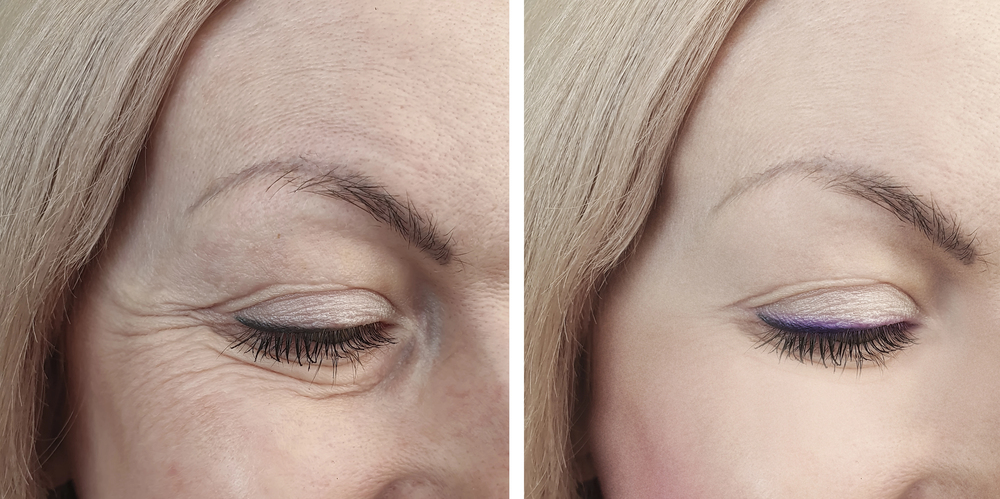
The first and most critical step is precise diagnosis. What patients describe as “drooping eyelids” may have different underlying causes. Most commonly, it is dermatochalasis — excess skin of the upper or lower eyelids that forms folds, creates a heavy appearance, and may eventually restrict peripheral vision. In such cases, classical blepharoplasty is the most justified approach.
However, sometimes the problem lies not in the skin but in weakening of the muscle that lifts the eyelid. This condition, known as ptosis, requires a completely different surgical correction. In some patients, a “heavy” appearance is caused by brow descent, making forehead or brow lifting more effective. Additionally, under-eye bags may result from fat distribution or volume loss, and simple fat removal in these cases can actually worsen the appearance.
Who Is an Ideal Candidate for Blepharoplasty
An ideal candidate for blepharoplasty is a patient with clearly confirmed excess skin or localized fat deposits, who is in good general health and has realistic expectations.
Such individuals understand that the procedure will not change the overall shape of the face, eliminate all wrinkles, or replace comprehensive facial rejuvenation. Instead, it helps create a more open and refreshed look. In these cases, blepharoplasty provides stable, natural, and predictable results.
At the same time, there is a group of patients for whom this surgery requires particular caution or is not recommended at all. This includes individuals with severe dry eye syndrome, chronic inflammatory eye conditions, active thyroid eye disease, uncontrolled diabetes, serious coagulation disorders, or significant cardiovascular disease. In such cases, the risk of complications increases substantially.
Special attention should also be given to patients with unrealistic or exaggerated expectations who see surgery as a way to radically change their appearance. In these situations, my professional responsibility is to clearly explain the limitations of the procedure and, if necessary, decline surgery.
When Alternative or Combined Approaches Are Preferable
In many cases, alternative or combined methods are more appropriate than classical blepharoplasty. For example, mild brow drooping combined with active facial expressions may be effectively managed with botulinum toxin. Tear trough deformities and volume deficiency are often corrected with dermal fillers or autologous fat grafting. Laser and radiofrequency technologies help improve skin quality and stimulate tightening without surgical intervention.
In younger patients with under-eye fat pads but no excess skin, transconjunctival blepharoplasty works well and leaves no visible scars. In more complex cases, combining several techniques often yields the best outcome.
The Importance of Preoperative Preparation
Preoperative preparation plays a crucial role in ensuring both safety and results. It includes a detailed examination, assessment of eyelid function, brow position, tear film quality, ophthalmologic consultation when necessary, and evaluation of medications and chronic conditions. Equally important is communication between doctor and patient. Individuals must clearly understand what results are achievable, how recovery will proceed, and what risks exist.
Although blepharoplasty is considered a relatively safe procedure, it is not free from potential complications. These may include increased eye dryness, hematomas, infections, asymmetry, scarring, lower eyelid malposition, or excessive tissue removal. In rare cases, serious ophthalmologic complications may occur, making surgical experience and adherence to safety standards essential.
Age and Patient Expectations
Age alone is not a contraindication. Younger patients often seek treatment for genetic traits or localized concerns, while older patients present with more complex age-related changes. In all cases, tissue quality and overall health are more important than chronological age.
Before consultation, I advise patients to clearly define their expectations, prepare information about their medical history, medications, and previous procedures, and ask questions about surgical technique, rehabilitation, and potential future corrections. An informed approach significantly reduces the risk of disappointment.
Conclusion
In summary, blepharoplasty is effective when there are clear anatomical indications, no serious contraindications, and an appropriately selected technique. When aesthetic concerns are caused by brow descent, volume loss, or poor skin quality, alternative treatments should be considered. In many cases, combining different methods produces the best results.
As a plastic surgeon, I always emphasize that successful blepharoplasty begins not in the operating room, but with accurate diagnosis, honest communication, and joint planning. Safety and realistic expectations are the foundation of lasting, high-quality outcomes.

Honored Doctor of Ukraine, Head of the Plastic Surgery Center
Contact me
Plastic surgeon
Ukraine, Kyiv, Shchekavytska St., 9a
(Clinic "Nove Tilo")